 MineArchive
Sygun Copper Mine
| Location | Beddgelert, Snowdonia, Gwynedd — 53.0160, -4.0797 (exact) |
|---|---|
| Commodity | Copper |
| Type | Metal |
| Worked | 18th century–1903 |
| Maximum depth | Unknown. |
| Operators | Amies family (1986–?) |
Overview
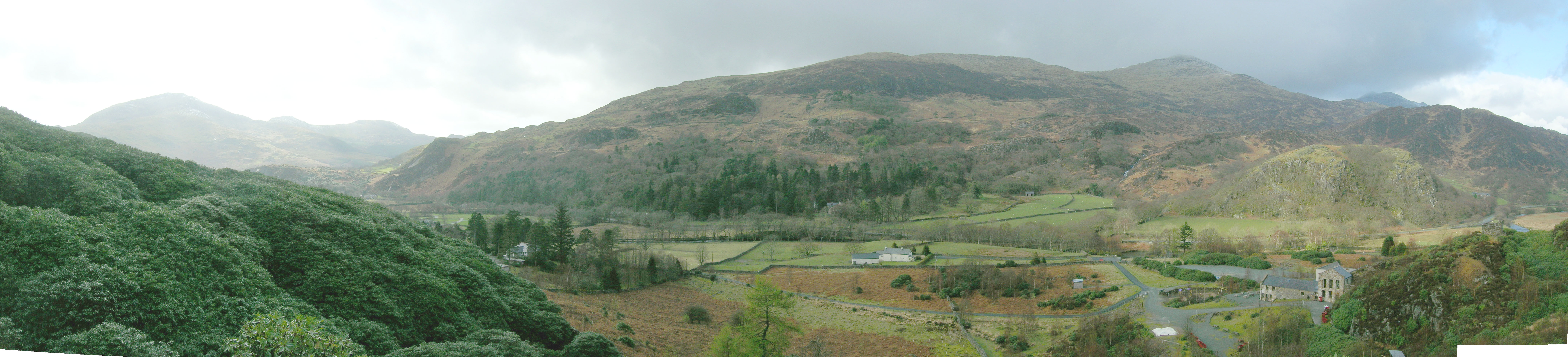
Sygun, a mile outside Beddgelert in Snowdonia, was a Victorian copper mine that closed in 1903 after its veins were largely worked out, and reopened in 1986 as one of the earliest underground show mines in Wales.
History
Small-scale tunnels into the mineral veins at Sygun may date back to Roman times, though the workings remained little developed until industrial demand for copper grew. By 1836 the mine's annual ore production was valued at around £2,800, and roughly 2,000-3,000 tons of ore had been raised cumulatively by 1862. In 1898 the brothers Frank and Stanley Elmore carried out early development work at Sygun on oil flotation, mixing crushed ore with oil and water to separate copper minerals more efficiently — one of the first industrial trials of the process that led to froth flotation, which later transformed ore processing worldwide. The Elmores' method was not froth flotation itself: it floated the mineral on oil rather than on air bubbles, the distinction that separates their patents from the froth process established from 1905. The mine closed in 1903, once further working was judged unprofitable with the veins largely exhausted.
Geology
Copper veins in the rock above Beddgelert, largely worked out by 1903.
Workings
Unknown.
Closure
The veins were largely worked out by 1903; the plant and machinery were recovered and taken away for use elsewhere.
What remains
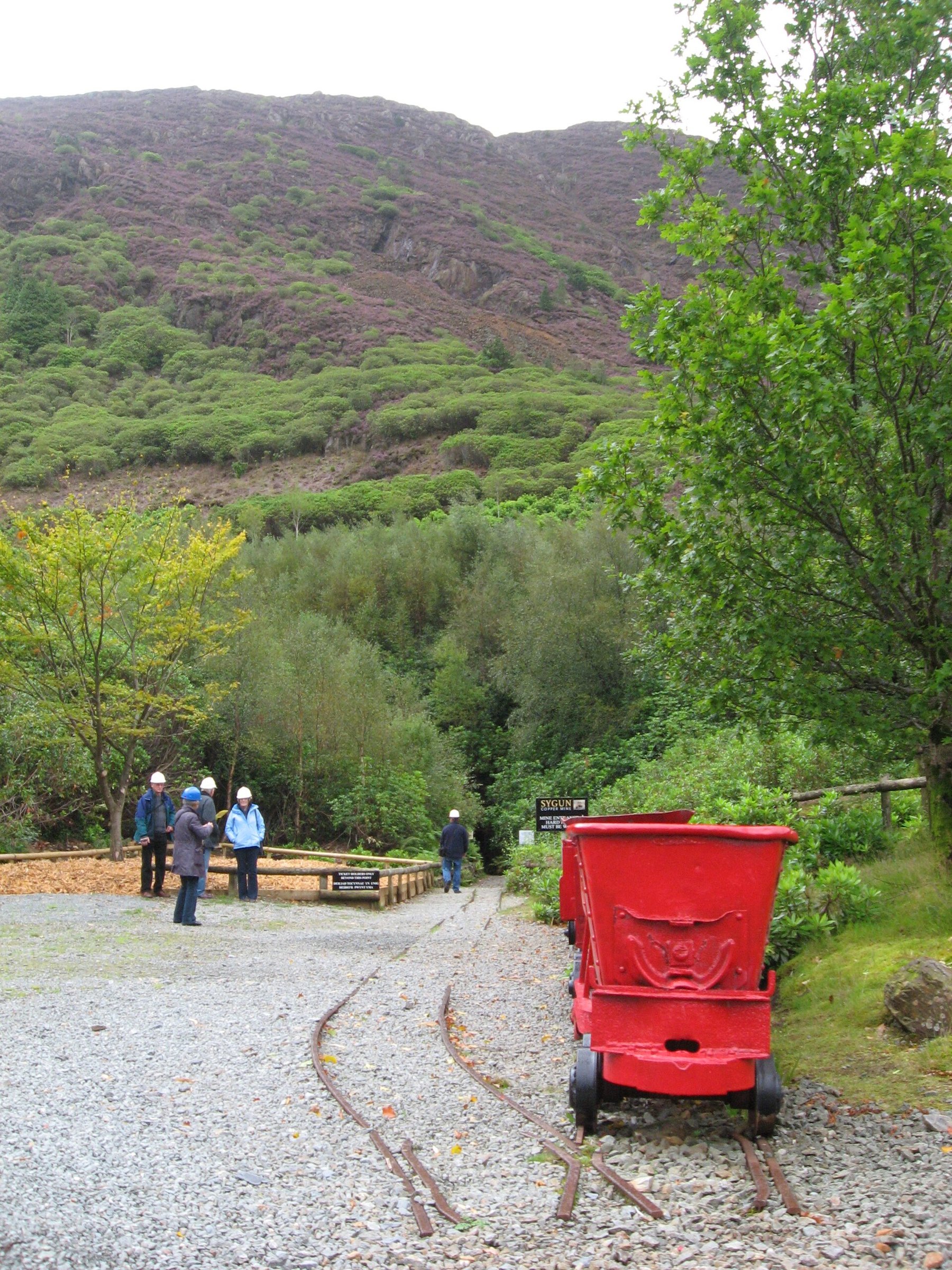
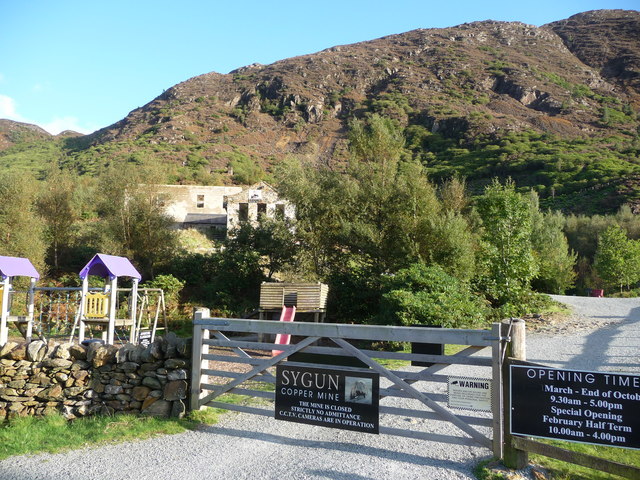
The entrance was reopened in 1983 and restoration began in autumn 1986, when the Amies family cleared hundreds of tons of rubble from the underground workings, raised the headroom to improve access, improved drainage and walkways and put in staircases, creating an underground show mine with audio-visual tours; the family won the Prince of Wales Award in 1988 for the sensitive development of the visitor facilities. The site, now run by the Ward family, also includes an art museum and a heritage centre on Welsh mythology and history. The former domestic range at the mine is a Grade II listed building, listed on 25 November 1998. The Royal Commission describes the site as a remarkable example of Welsh industrial heritage transformed into a tourist attraction.
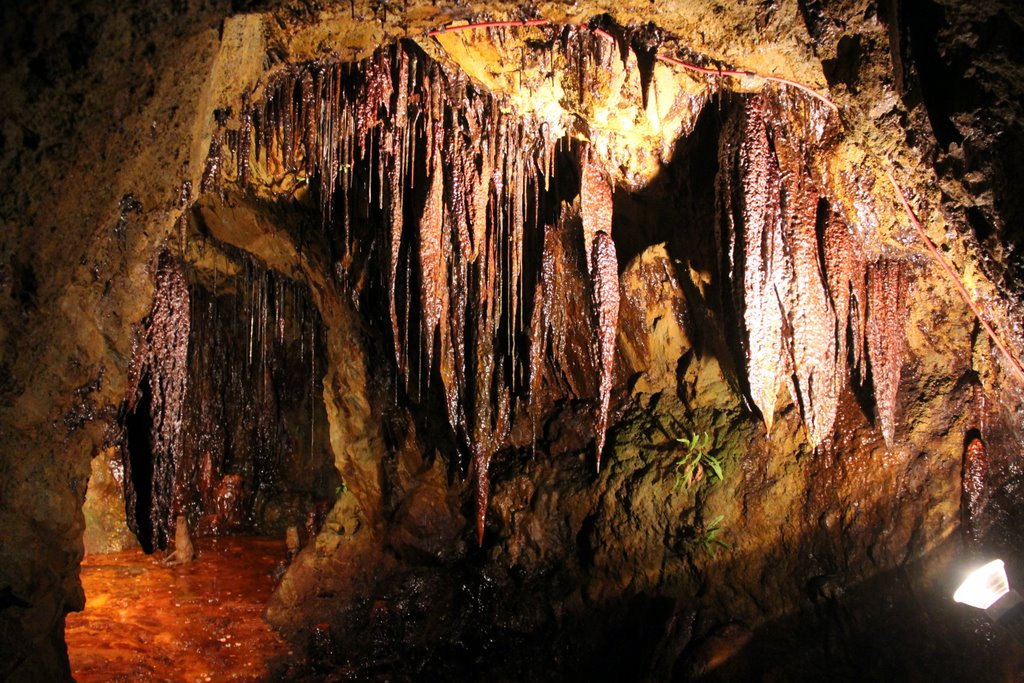
The surface buildings include a former domestic range, now listed, and the dressing-floor remains around the mine entrance. Following closure in 1903 the plant and machinery were recovered and taken away for use elsewhere, so little fixed machinery survives; what the visitor sees underground is the workings themselves — the stopes, levels and the stalactites and coloured mineral staining that have formed since abandonment.
Related mines
- Glasdir Mine — Glasdir's flotation plant, installed 1897, was later supplemented with equipment transferred from the failed Sygun copper mine in 1907.
Nearby mines
- Fron-Boeth and Pant Mawr Quarry — 1.3 miles (2.2 km) S
- Gorseddau Quarry — 2.9 miles (4.7 km) SW
- Croesor Quarry — 3.7 miles (5.9 km) SE
- Prince of Wales Quarry — 3.7 miles (5.9 km) W
- Rhosydd Quarry — 3.9 miles (6.4 km) E
Straight-line distance, within 9 miles (15 km). Show on the map.
What's uncertain
Points where sources disagree or the record could not be settled; both accounts are kept. All open questions in the archive.
- A 2022 report on mining remains in the hills around Sygun describes waterlogged, dark adits and the surviving structure of an aerial ropeway at nearby Cwm Bychan, noting that the accessible workings show only minor mineralisation and appear to be exploratory trials rather than productive workings. (uncertain) 2
Recorded claims
Individual factual claims, each attached to the source(s) that support it below. Where sources disagree, both are kept.
- In 1898 the brothers Frank and Stanley Elmore carried out early development work at Sygun on froth flotation, mixing crushed ore with oil and water to separate copper minerals — one of the first industrial trials of a process that later transformed ore processing worldwide. 1
- By 1836 Sygun's annual ore production was valued at around £2,800, and roughly 2,000–3,000 tons of ore had been raised cumulatively by 1862. 1
- The Amies family, who reopened the mine as a show attraction from 1986, won the Prince of Wales Award in 1988 for the sensitive development of its visitor facilities. 1
- A 2022 report on mining remains in the hills around Sygun describes waterlogged, dark adits and the surviving structure of an aerial ropeway at nearby Cwm Bychan, noting that the accessible workings show only minor mineralisation and appear to be exploratory trials rather than productive workings. (uncertain) 2
- The origins of the mine are uncertain, but it is known to have been worked in the eighteenth century. 3
- Following closure in 1903 the plant and machinery were recovered from the site for use elsewhere. 3
- In the mid-1980s considerable quantities of rubble were removed from the former underground workings, headroom was raised to improve access, drainage and walkways were improved and staircases erected. 3
Photographs & further reading
A report on abandoned mining equipment and an aerial ropeway in the hills around Sygun.
View sourceThe Royal Commission's site record, which establishes the eighteenth-century working, the stripping of plant and machinery after the 1903 closure, and the scope of the 1980s restoration that turned the workings into a show mine.
View sourceSources
- (secondary) Sygun Copper Mine — Wikipedia
- (observational) Sygun Copper Mine Equipment, Snowdonia — April 2022 — 28DaysLater
- (primary) Sygun Copper Mine, Beddgelert (NPRN 33794) — Royal Commission on the Ancient and Historical Monuments of Wales
Record created: 20 August 2026 · Last researched: 4 September 2026