 MineArchive
Silverhill Colliery
| Location | Teversal / Stanton Hill, Nottinghamshire — 53.1394, -1.2761 (approximate) |
|---|---|
| Commodity | Coal |
| Type | Coal |
| Worked | 1875–March 1993 (production ceased October 1992) |
| Maximum depth | unspecified |
| Operators | Stanton Iron Company (1875–1947), National Coal Board (1947–1986) |
Overview
A Nottinghamshire colliery sunk in 1875 by the Stanton Iron Company, worked for 117 years until the 1992-94 Coal Crisis, and now the site of Silverhill Wood, its old spoil tip crowned by a life-size bronze sculpture of a kneeling miner testing for gas.
History
Silverhill Colliery was sunk in 1875 by the Stanton Iron Company of Ilkeston, Derbyshire, developing out of the older Coopers shaft sunk a decade before; the mining community of Stanton Hill grew up alongside it from the 1880s. The colliery worked several seams over its life, including the Deep Hard, Low Main and Blackshale seams, on the edge of the shallower, exposed part of the Nottinghamshire-Derbyshire coalfield. After nationalisation in 1947 it passed through the National Coal Board's East Midlands No. 4 Area, then its North Nottinghamshire Area from 1967, and finally British Coal Corporation's Nottinghamshire Area from 1986. The colliery remained highly productive into its final years: in 1970 it raised 7,033 tons a week from a single coalface, and in 1988 it set a European record for thin-seam mining, cutting 30,529 tonnes of coal from one coalface in a single week. Coal production ceased in mid-October 1992, early in the 1992-94 Coal Crisis, and the colliery formally closed in March 1993 after 117 years of working; it was demolished the following year.
Geology
Coal of the Nottinghamshire field: the Deep Hard, Low Main and Blackshale seams, on the edge of the shallower western part of the coalfield.
Workings
Worked the Deep Hard, Low Main and Blackshale seams over its life; in 1988 its 15s coalface set a European thin-seam mining record of 30,529 tonnes in a single week.
Closure
Coal production ceased in mid-October 1992, early in the 1992-94 Coal Crisis; the colliery formally closed in March 1993 after 117 years, and the surface buildings were demolished in 1994.
What remains
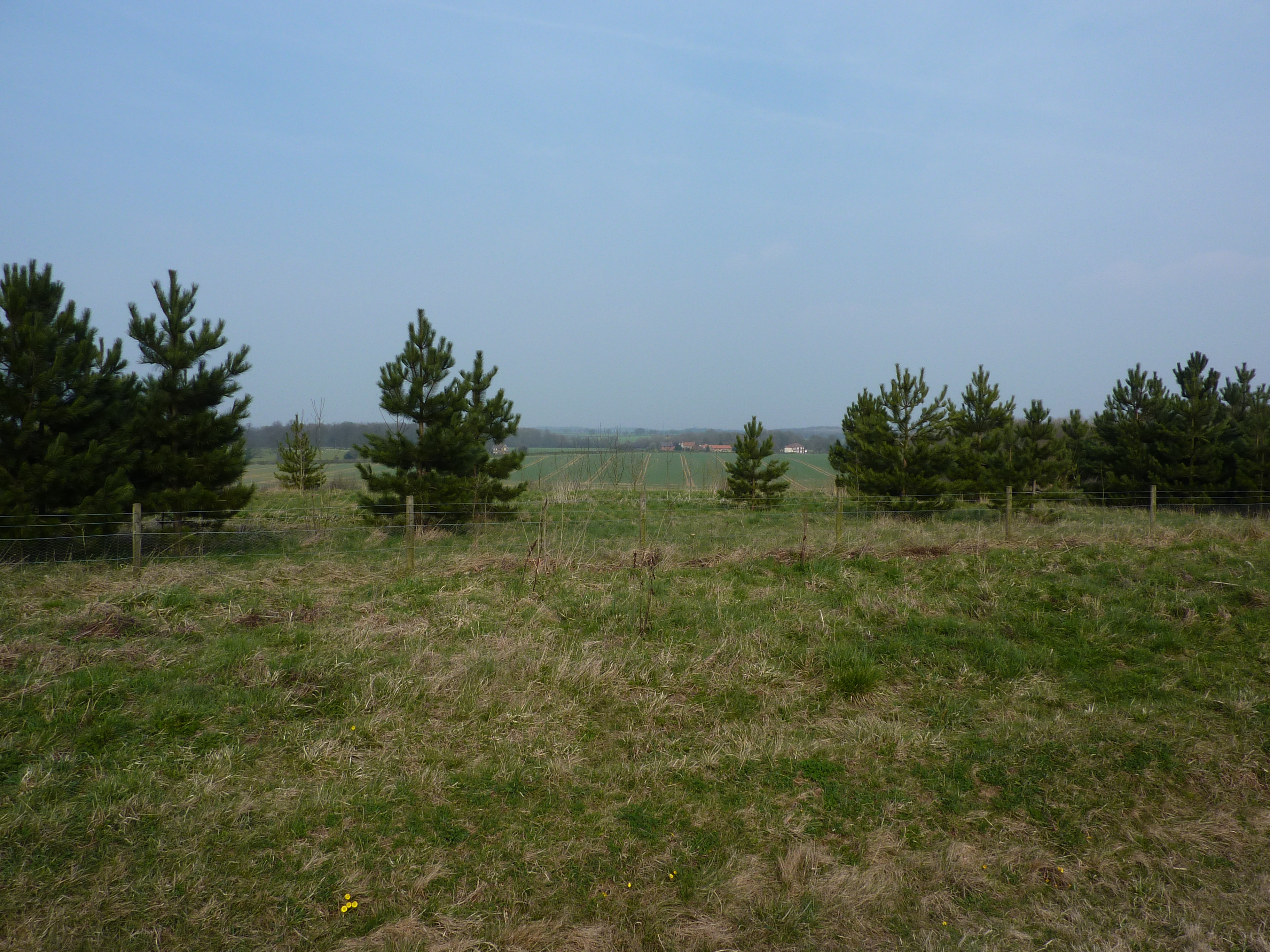
The site is now Silverhill Wood, a landscaped country park with footpaths and a viewpoint; a life-size bronze statue by Antony Dufort, 'Testing for Gas', depicting a kneeling miner, stands on the former pit tip, and a further memorial to Silverhill's miners was dedicated in August 2024.
Nearby mines
- Sutton Colliery — 0.4 miles (0.6 km) SW
- Teversal Colliery — 1.1 miles (1.8 km) NW
- Tibshelf Colliery — 2.1 miles (3.3 km) W, Derbyshire
- Kirkby Colliery — 2.4 miles (3.8 km) SE
- Pleasley Colliery — 2.5 miles (4.1 km) N, Derbyshire
Straight-line distance, within 9 miles (15 km). Show on the map.
Recorded claims
Individual factual claims, each attached to the source(s) that support it below. Where sources disagree, both are kept.
- Silverhill Colliery was sunk in 1875 by the Stanton Iron Company, developing out of the older Coopers shaft sunk a decade earlier; the community of Stanton Hill grew up alongside it from the 1880s. 1
- In 1988 the colliery's 15s coalface set a European record for thin-seam mining, cutting 30,529 tonnes of coal in a single week. 1
- Coal production ceased in mid-October 1992, early in the 1992-94 Coal Crisis, and the colliery formally closed in March 1993 after 117 years, with demolition following in 1994. 1
- The former colliery is now Silverhill Wood; a bronze statue, 'Testing for Gas' by Antony Dufort, depicting a kneeling miner testing for gas, stands on the former pit tip, with a further miners' memorial dedicated in August 2024. 2
Photographs & further reading
Detailed colliery history and production records.
View sourceSources
- (secondary) Silverhill Colliery — Mining Heritage — Mining Heritage
- (secondary) Silverhill, Nottinghamshire — Wikipedia — Wikipedia
Record created: 2 September 2026 · Last researched: 2 September 2026