 MineArchive
Old Boston Colliery
| Location | North of Penny Lane, Haydock, Merseyside — 53.4757, -2.6425 (exact) |
|---|---|
| Commodity | Coal |
| Type | Coal |
| Worked | 1868–1952 |
| Maximum depth | At least 390 yards (1924). |
| Operators | Richard Evans and Co (1868–1946), National Coal Board (1947–?) |
Overview
Richard Evans and Company's colliery north of Penny Lane, Haydock, sunk in 1868, which employed up to 970, closed after a shaft fire in 1952 and became the National Coal Board's North West training centre until 1989.
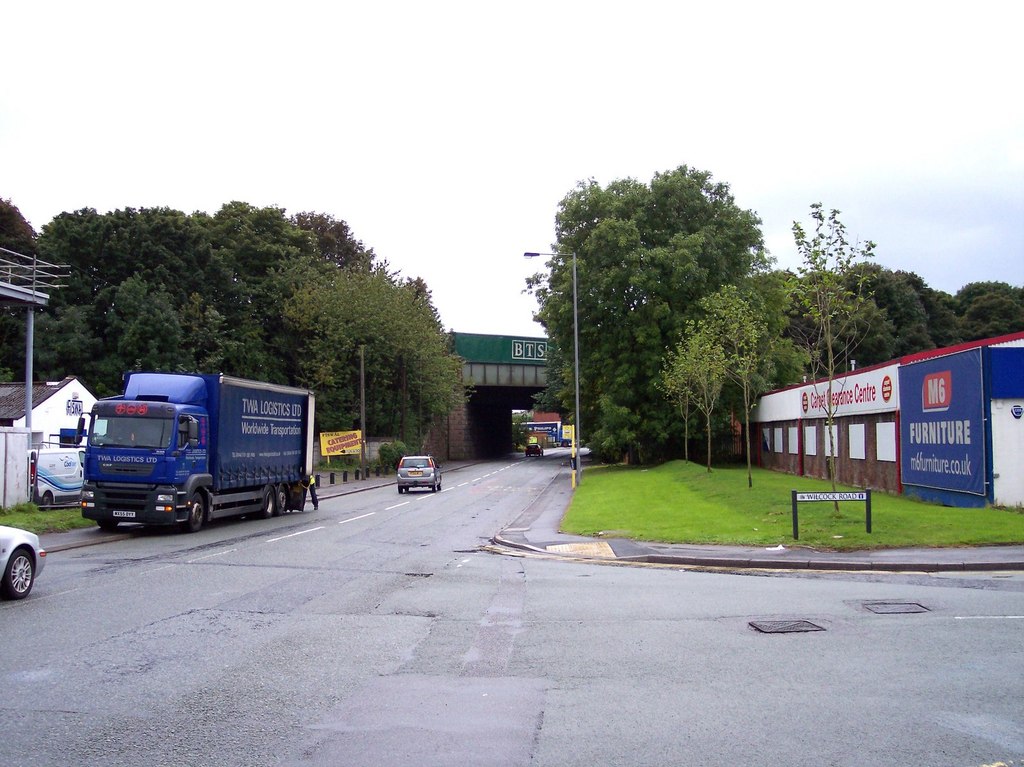
History
Old Boston Colliery stood north of Penny Lane, Haydock, and was sunk in 1868 by Richard Evans and Company, the Haydock coal owners. It was a profitable pit throughout its life. In 1879 John Turton was its certificated manager, also managing the Wood Pit, and in 1894 James Cook managed it with New Boston.
It worked the Higher and Lower Florida, Little Delf, Main Delf and Nine Feet seams, with Nos. 1 and 2 pits by 1915. Employment grew from 206 in 1894 to 516 in 1910, 750 in 1933 and 970 in 1940. On 29 June 1900 an explosion of firedamp during shaft sinking killed eight men. In December 1916 a shot fired in the Higher Florida ignited gas and two of four burnt men died, and in 1924 a collier fell 390 yards to the shaft bottom when a cage moved without a signal.
The colliery passed to the National Coal Board in 1947, when 730 were employed and 166,000 tons raised. It closed in 1952 after a disastrous fire that started in the shaft, and its last plans were abandoned in 1953. The site became the Board's North West Area Training Centre, which finally closed in 1989.
Geology
Lancashire Coal Measures: the Higher and Lower Florida, Little Delf, Main Delf and Nine Feet, and on its last plans the Wigan Four Feet and Five Feet.
Workings
Nos. 1 and 2 pits, at least 390 yards deep.
Closure
Closed in 1952 after a fire that started in the shaft; the last plans were abandoned in 1953. The site was then the National Coal Board's North West Area Training Centre until 1989.
What remains
Unknown.
Related mines
- Haydock Colliery — Old Boston was one of Richard Evans and Company's Haydock collieries, among the four principal pits of the group in 1947.
- New Boston Colliery — Both were Richard Evans and Company's Boston pits at Haydock and shared a manager in 1894.
Nearby mines
- New Boston Colliery — 0.6 miles (0.9 km) SW
- Haydock Colliery — 1.0 miles (1.5 km) S, Lancashire
- Garswood Park Colliery — 1.1 miles (1.8 km) NW
- Pewfall Colliery — 1.4 miles (2.2 km) W, Greater Manchester
- Garswood Hall Colliery — 1.4 miles (2.3 km) NE, Greater Manchester
Straight-line distance, within 9 miles (15 km). Show on the map.
Disasters & major incidents
-
Old Boston Pit shaft-sinking explosion, 1900
1900 · Explosion · 8 fatalities
At about 5 a.m. on 29 June 1900 gas burst from the floor of the main shaft being sunk at Richard Evans and Company's Old Boston Colliery, Haydock, and caught fire at the sinkers' candles. All ten men at the bottom were burned; eight died.
Recorded claims
Individual factual claims, each attached to the source(s) that support it below. Where sources disagree, both are kept.
- Old Boston Colliery was sunk in 1868 by Richard Evans and Company. 1
- On 29 June 1900 an explosion of firedamp killed eight men. 2
- The colliery employed 206 people in 1894 and 970 in 1940. 2
- It closed in 1952 after a fire that started in the shaft. 1,3
- The site became the National Coal Board's North West Area Training Centre, which closed in 1989. 1
Photographs & further reading
The colliery's history and a long record of accidents and incidents from the 1870s to the 1930s.
View sourceSources
- (secondary) Old Boston Colliery (NMRS accidents and incidents in Lancashire collieries) — Northern Mine Research Society
- (primary) Old Boston Colliery (Durham Mining Museum) — Durham Mining Museum
- (primary) BGS mine plan: OLD BOSTON, Higher Florida, abandoned 1953 — British Geological Survey / Mining Remediation Authority
Record created: 25 October 2026 · Last researched: 25 October 2026