 MineArchive
Nantgarw Colliery
| Location | Nantgarw, Rhondda Cynon Taf — 51.5628, -3.2772 (exact) |
|---|---|
| Commodity | Coal |
| Type | Coal |
| Worked | 1910 (sinking from 1911)–6 November 1986 |
| Maximum depth | c. 850 yards (782.73 m / 2,000 ft below sea level) |
| Operators | Thomas Taylor (1910–1924), Powell Duffryn Steam Coal Company (1927–1947) |
Overview
Nantgarw Colliery was, on its 1911 sinking, the deepest pit yet worked in the South Wales Coalfield -- a mine so difficult that it closed after only 16 years, sat idle for a decade, and only became consistently productive after the Second World War.
History
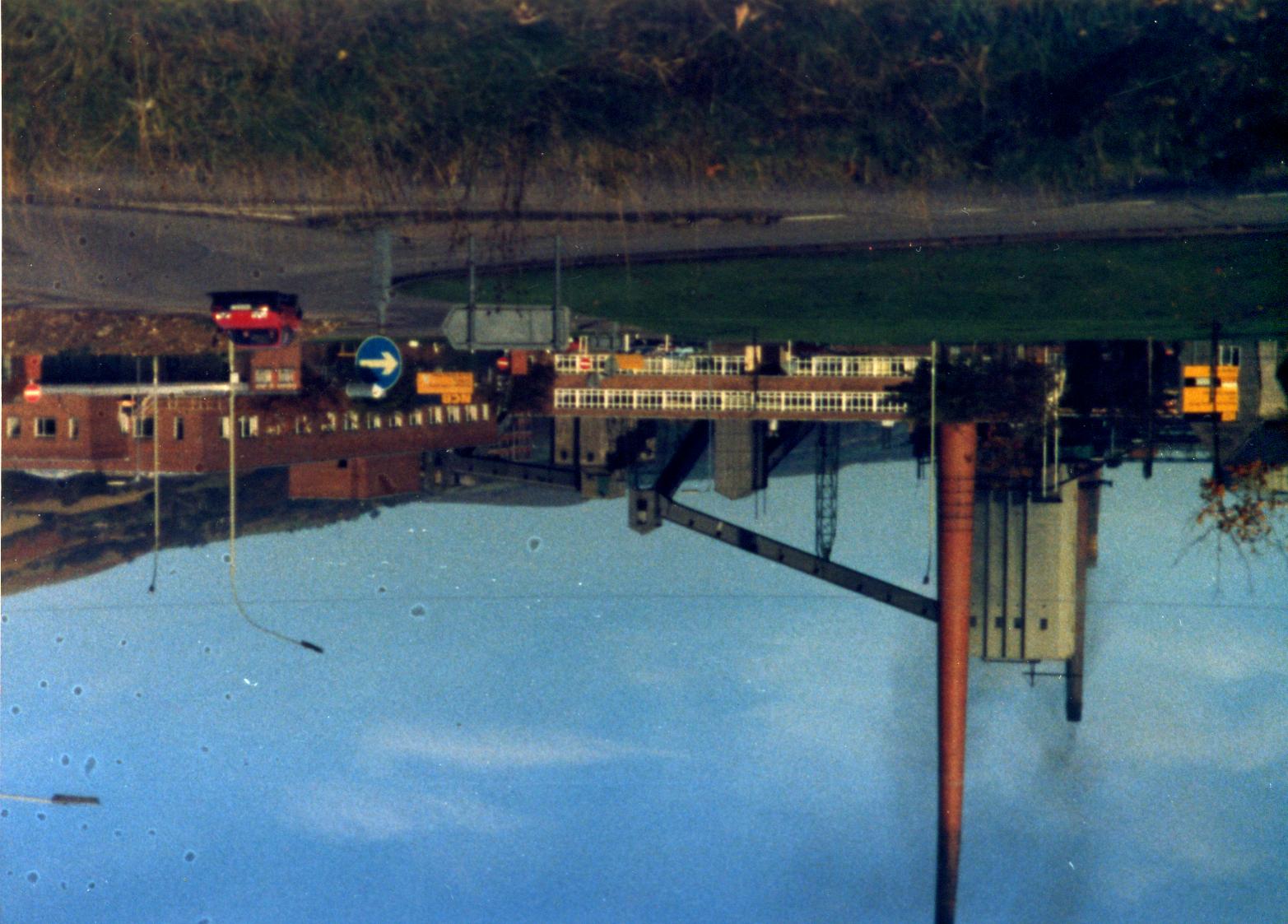
Nantgarw Colliery was developed from May 1910 by Thomas Taylor of Pontypridd near the village of Nantgarw, north of Cardiff, on the site of the earlier Craig yr Allt Colliery, abandoned in 1878 due to flooding. Twin shafts sunk from 1911 reached the coal seam at a depth of more than 850 yards (782.73 metres, or 2,000 feet below sea level) in 1915, making Nantgarw the deepest pit yet sunk in the South Wales Coalfield. Ownership passed to the Taff Rhondda Navigation Steam Coal Co in 1924 and then, after 1927, to the Powell Duffryn Steam Coal Co Ltd. Persistent problems -- a shortage of manpower, poor industrial relations, and complex underground geology -- led to the mine's abandonment in 1927; it was reorganised and reopened in 1937, only for underground work to be suspended again with the outbreak of the Second World War in 1939. In 1946 the Ministry of Fuel and Power approved a full redevelopment of Nantgarw as the first major scheme to be undertaken by the newly formed National Coal Board, and coking ovens and a by-product plant opened in 1951, with coal production itself beginning in earnest in 1952; by 1954 the colliery employed 200 surface and 820 underground workers. Nantgarw was merged operationally with the neighbouring Windsor Colliery in 1975, the combined operation employing around 650 workers by 1979-80 and producing over 4,000 tons of coal a week. The colliery endured the twelve-month national miners' strike of 1984-85 before underground working, already reduced from 1974, ended entirely with closure on 6 November 1986, after nearly 80 years of mining activity on the site. The site was later redeveloped as the Parc Nantgarw industrial estate; only two small concrete pyramids marking the sites of the two shafts and a commemorative winding wheel survive.
Geology
Coal of the South Wales field, reached at more than 850 yards, some 2,000 feet below sea level — the deepest pit yet worked in the coalfield when it was sunk.
Workings
Twin shafts sunk from 1911 reached the coal seam at over 850 yards deep in 1915, the deepest pit yet sunk in the South Wales Coalfield; coking ovens and a by-product plant opened in 1951, and the colliery was operationally merged with the neighbouring Windsor Colliery from 1975.
Closure
The pit was so difficult that it closed after only a few years of production.
What remains
The site was redeveloped as the Parc Nantgarw industrial estate; only two small concrete pyramids marking the sites of the two shafts and a commemorative winding wheel survive.
Two small concrete pyramids mark the sites of the former shafts, alongside a commemorative winding wheel.
Related mines
- Rockwood Colliery — Neighbouring Taffs Well collieries; New Rockwood's No. 3 drift was connected with Nantgarw for safety.
Nearby mines
- Rockwood Colliery — 1.1 miles (1.8 km) SE
- Lan Colliery — 1.4 miles (2.3 km) S, Cardiff
- Energlyn Colliery — 2.0 miles (3.2 km) NE, Caerphilly
- Little Garth Mine — 2.1 miles (3.4 km) S, Cardiff
- Windsor Colliery — 2.7 miles (4.3 km) N, Caerphilly
Straight-line distance, within 9 miles (15 km). Show on the map.
Recorded claims
Individual factual claims, each attached to the source(s) that support it below. Where sources disagree, both are kept.
- Twin shafts sunk from 1911 reached the coal seam at a depth of more than 850 yards (2,000 feet below sea level) in 1915, making Nantgarw the deepest pit yet sunk in the South Wales Coalfield. 1
- The mine was abandoned in 1927 owing to a shortage of manpower, poor industrial relations and complex underground geology, reopened in 1937, and suspended again on the outbreak of war in 1939; its full post-war redevelopment, approved by the Ministry of Fuel and Power in 1946, was the first major scheme undertaken by the newly formed National Coal Board. 2
- The colliery endured the twelve-month national miners' strike of 1984-85 before closing for good on 6 November 1986; the site was later redeveloped as the Parc Nantgarw industrial estate, with only two concrete shaft-marker pyramids and a commemorative winding wheel surviving. 2
- Genuine BGS/Mining Remediation Authority catalogue entries survive for both 'Nantgarw Tipping Site' and a combined 'Nantgarw/Windsor Tipping Site', the latter independently corroborating the mine's later operational merger with Windsor Colliery. 3
Photographs & further reading
A fuller account of the colliery's troubled early history and post-war redevelopment.
View sourceSources
- (secondary) Nantgarw Colliery — Wikipedia
- (secondary) Nantgarw Colliery - once the deepest coal mine in south Wales — Museum Wales (Amgueddfa Cymru)
- (primary) Nantgarw Tipping Site (mine plan) — BGS / Mining Remediation Authority mine plans catalogue
Record created: 2 September 2026 · Last researched: 2 September 2026