 MineArchive
Middleton Tyas Copper Mine
| Location | Middleton Tyas, Richmondshire, North Yorkshire — 54.4270, -1.6520 (approximate) |
|---|---|
| Commodity | Copper |
| Type | Metal |
| Worked | From the 15th century–mid-18th century (exact date unrecorded) |
| Operators | Dr Mawer (1750–?) |
Overview
Middleton Tyas, worked sporadically since the 15th century, briefly became one of the highest-grade copper sources in Europe during its mid-18th-century heyday — though the deposit was small enough, and the flooding bad enough, that the boom barely outlasted a generation.
History
Copper mining had been carried on sporadically at Middleton Tyas since the 15th century, but the period of most intense activity came in the mid-18th century, when several richly, if patchily, mineralised veins were worked beneath land divided among five different landowners. Disputes between them over boundaries and drainage regularly ended in litigation, and occasionally in violence. The mines themselves were usually worked not by the landowners directly but by lessees, often working partnerships of miners. The ore was exceptional: Middleton Tyas copper ranked among the highest-grade deposits found anywhere in Europe, though the total quantity present was small. Flooding was a constant problem, initially managed with hand pumps; by 1752 these had proved inadequate, and at least two horse-powered pumping engines were installed that November. Mining had effectively ceased by the middle of the 18th century, after which none of the veins is recorded as having been worked again.
Geology
The mine worked richly but patchily mineralised copper veins hosted in the Carboniferous rocks of Richmondshire, a smaller and more localised deposit than the major orefields of Cornwall or the Pennines.
Geological setting: Hydrothermal Deposits (well documented example), Veins and Lodes (well documented example)
Workings
Workings were drained first by hand pumps and, from November 1752, by at least two horse-powered pumping engines housed in an engine house whose ruins survive; the earthwork and buried remains of the workings extend north, north-west and east of the parish church.
Closure
Mining had effectively ceased by the middle of the 18th century as the small, high-grade deposit was worked out; no later revival is recorded.
What remains
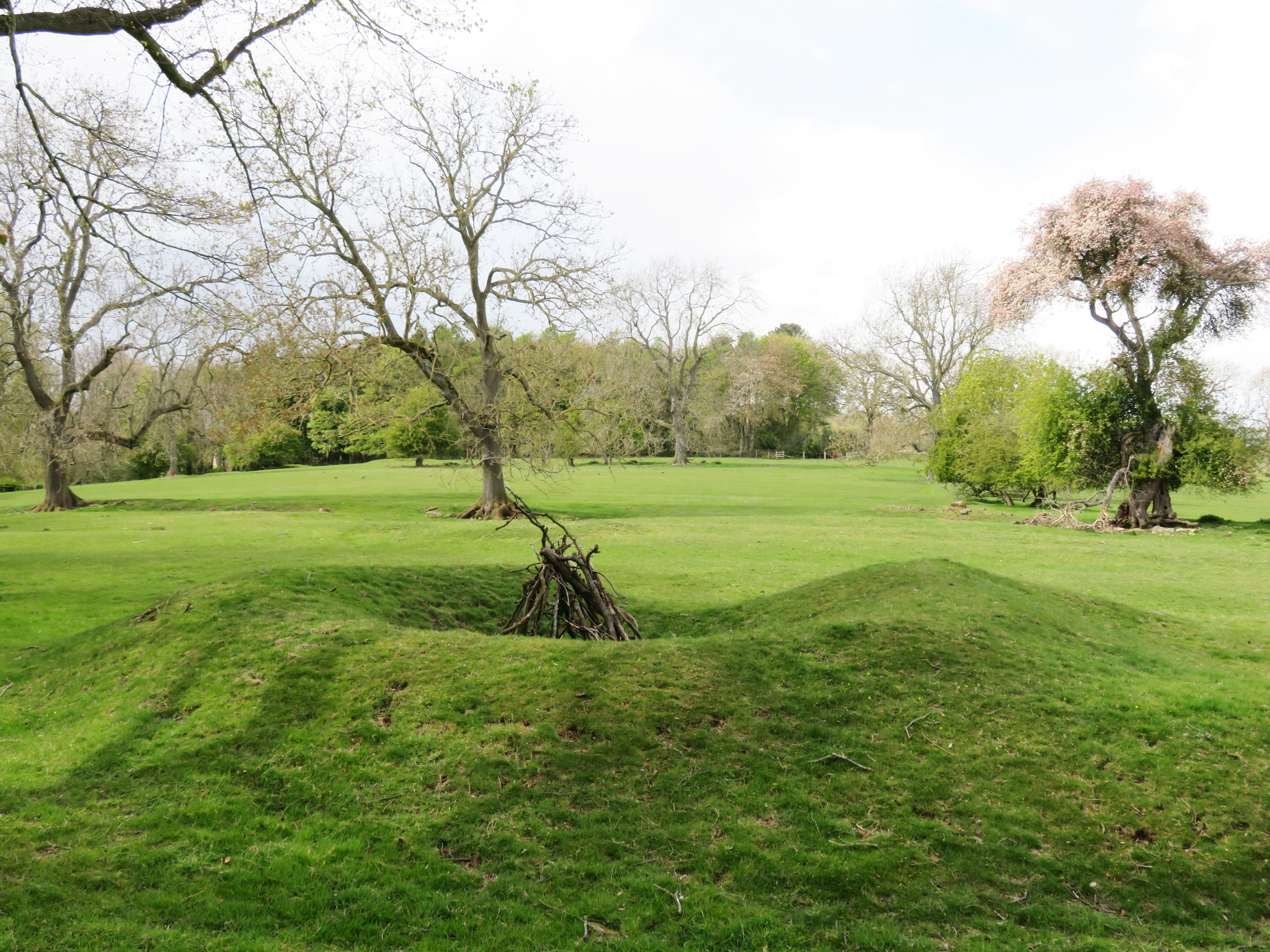
The buried and earthwork remains of the mine workings, together with the standing ruins of an 18th-century engine house, survive as a Scheduled Monument around the parish church of St Michael and All Angels.
Related mines
- Merrybent Copper Mine — The same Middleton Tyas orefield: Merrybent was the nineteenth- and twentieth-century company working of the veins whose eighteenth-century heyday the Middleton Tyas record describes, and its company carried both names.
Nearby mines
- Merrybent Copper Mine — 2.7 miles (4.3 km) N
Straight-line distance, within 9 miles (15 km). Show on the map.
Recorded claims
Individual factual claims, each attached to the source(s) that support it below. Where sources disagree, both are kept.
- Middleton Tyas copper was rated among the highest-grade ore deposits found anywhere in Europe, though the total quantity present was small. 1
- Flooding, managed initially with hand pumps, became severe enough that at least two horse-powered pumping engines were installed in November 1752. 1,2
- About 1750 Dr Mawer carried on extensive and apparently profitable copper workings in the glebe lands, particularly in the field called Goose Hill, where the mounds of the works were still to be seen in 1914 and furnace-marked stones from them are built into the village's houses. 1
Photographs & further reading
The village article, noting the 18th-century copper mine and works.
View sourceSources
- (secondary) Parishes: Middleton Tyas — Victoria County History / British History Online
- (primary) Copper mine and medieval ridge and furrow, Middleton Tyas — Historic England (Scheduled Monument record)
- (primary) Middleton Tyas Mines & Shafts (BGS Mine Plans Catalogue) — British Geological Survey
Record created: 22 August 2026 · Last researched: 24 September 2026