 MineArchive
Longhirst Colliery
| Also known as | Longhirst Pit |
|---|---|
| Location | Longhirst, near Morpeth, Northumberland — 55.1954, -1.6233 (approximate) |
| Commodity | Coal |
| Type | Coal |
| Worked | 1868–1896 |
| Maximum depth | Unknown. |
| Operators | Rev. Ed. Lawson (1860–1869), Ashington Coal Company (1880–?) |
Overview
A colliery on the Lawson family's Longhirst estate near Morpeth, worked from about 1868 and owned by the Ashington Coal Company in the 1880s; its main seams were reported exhausted in 1896 and the Durham Mining Museum lists it as closed in 1934.
History
Longhirst Colliery lay on the Lawson family's Longhirst estate in Northumberland, about two and a half miles north-east of Morpeth and south of Longhirst station on the East Coast main line. The estate village grew up around Longhirst Hall, built by John Dobson in 1824 for William Lawson, and the family became rich from the coal found on their land. Wikipedia gives the colliery's working life as 1868 to 1896; the Disused Stations account says a colliery was operating south of the station by the 1860s, and the Durham Mining Museum names the Rev. Ed. Lawson as its owner in that decade.
By the 1880s the Ashington Coal Company owned it. It worked coal from No. 1 Pit, with output recorded from 1882 and described as steam coal in 1894, when it employed 254 people, 212 below ground and 42 on the surface. The High Main, Main and Yard seams were recorded as abandoned in 1896 because the coal was exhausted, and the High Main, Grey and Yard seams again on 30 November 1904 as unprofitable.
Miners lived in terraced cottages close by. The 1897 Ordnance Survey map shows three long terraces of miners' cottages, a Primitive Methodist chapel and hall, and colliery sidings joined to the station. By 1922 the colliery buildings had been demolished, leaving only old shafts and spoil heaps, although the Museum gives 1934 as the official closure. One terrace was an 'Aged Miners' Home' in 1922, and by 1958 the two remaining terraces were Aged Mineworkers' Homes, of which the longer, Straker Terrace, is the one that survives.
The Museum lists eight names from 1869 to 1892, among them two sinkers, Thomas Wheatley in February 1869 falling out of a sinking tub and Joseph Moor in July 1872 struck by timber falling down the shaft, and the under-manager Nicholas Gregory, killed by a fall of stone on 25 January 1890.
Geology
The High Main, Main, Grey and Yard seams are named in the abandonment notes of 1896 and 1904.
Workings
Worked from No. 1 Pit, a shaft mine; two sinkers were killed in it in 1869 and 1872.
Closure
The High Main, Main and Yard seams were recorded as abandoned in 1896 because the coal was exhausted, and the High Main, Grey and Yard seams on 30 November 1904 as unprofitable. The Durham Mining Museum lists the colliery as closed in 1934, Wikipedia gives its working life as 1868 to 1896, and by the 1922 map its buildings had been demolished.
What remains
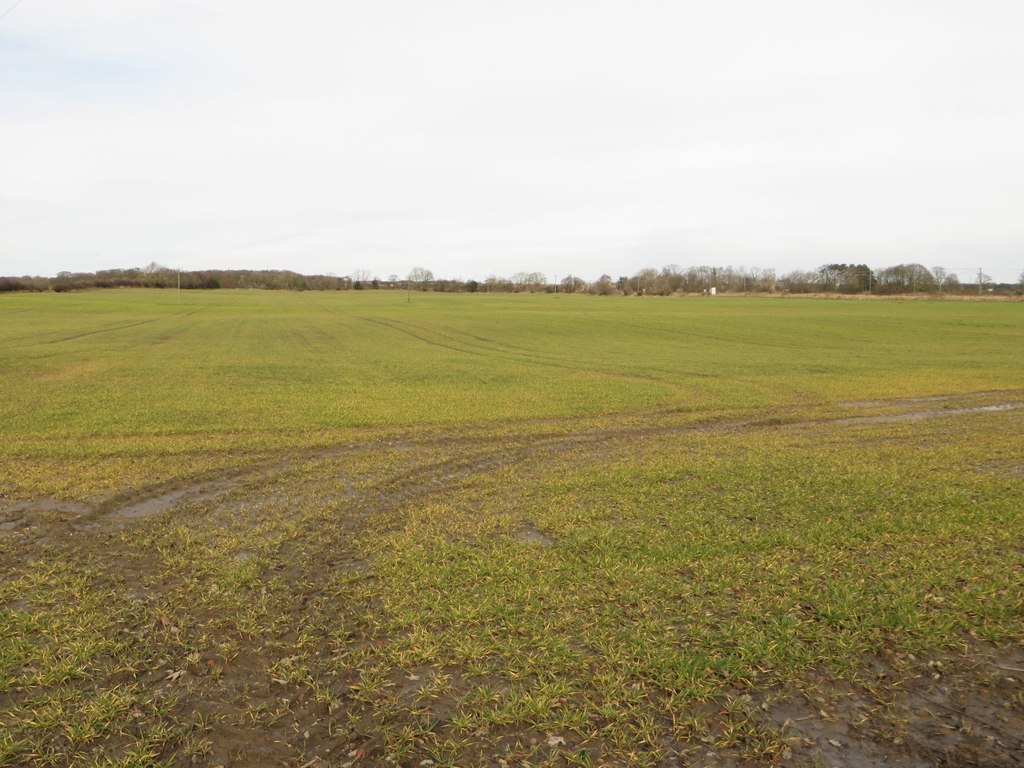
Arable land; a bus shelter and post box stand at the end of the lane to the former colliery.
Redevelopment
Unknown.
Nearby mines
- Longhirst Drift — 0.7 miles (1.1 km) NE
- Ashington Colliery — 1.3 miles (2.1 km) SE
- Pegswood Colliery — 1.8 miles (2.8 km) SW
- Linton Colliery — 1.8 miles (2.9 km) NE
- Ellington Colliery — 3.1 miles (4.9 km) NE
Straight-line distance, within 9 miles (15 km). Show on the map.
What's uncertain
Points where sources disagree or the record could not be settled; both accounts are kept. All open questions in the archive.
- Wikipedia gives the working life of Longhirst Colliery as 1868 to 1896. (disputed) 1
- The Durham Mining Museum gives 1934 as the closure date of Longhirst Colliery. (disputed) 2,3
Recorded claims
Individual factual claims, each attached to the source(s) that support it below. Where sources disagree, both are kept.
- The Lawson family of Longhirst Hall became rich after coal was found on their land, leading to the opening of Longhirst Colliery. 1
- Wikipedia gives the working life of Longhirst Colliery as 1868 to 1896. (disputed) 1
- The Durham Mining Museum gives 1934 as the closure date of Longhirst Colliery. (disputed) 2,3
- The Rev. Ed. Lawson is listed as owner in the 1860s and the Ashington Coal Co. in the 1880s. 2
- Longhirst Colliery employed 254 people in 1894, 212 below ground and 42 on the surface, and produced steam coal. 2
- The High Main, Main and Yard seams were recorded abandoned in 1896 as the coal was exhausted, and the High Main, Grey and Yard seams on 30 November 1904 as unprofitable. 2
- By the 1860s a colliery south of Longhirst station had miners' terraced cottages close by, and the 1897 Ordnance Survey map shows three long terraces, a Primitive Methodist chapel and hall and colliery sidings joined to the station. 3
- On the 1922 Ordnance Survey map the colliery buildings had been demolished, leaving only old coal shafts and spoil heaps. 3
- The Durham Mining Museum lists eight names from 1869 to 1892, including the sinkers Thomas Wheatley (1869) and Joseph Moor (1872) and the under-manager Nicholas Gregory (25 January 1890). 2
Photographs & further reading
Owners, output, 1894 employment, seam abandonments and the eight names listed.
View sourceOld Ordnance Survey maps of 1897, 1922 and 1958 showing the colliery, its sidings and miners' cottages beside Longhirst station.
View sourceThe village and its hall, and the Lawson family's coal wealth.
View sourceSources
- (secondary) Longhirst (Wikipedia) — Wikipedia
- (primary) Durham Mining Museum - Longhirst Colliery — Durham Mining Museum
- (secondary) Disused Stations: Longhirst — Disused Stations
Record created: 29 September 2026 · Last researched: 30 September 2026