 MineArchive
Ladyshore Colliery
| Also known as | Back o' th' Barn |
|---|---|
| Location | Little Lever, Greater Manchester — 53.5566, -2.3601 (exact) |
| Commodity | Coal |
| Type | Coal |
| Worked | 1830s–June 1949 |
| Maximum depth | 55 fathoms (Owl Hole pit) |
| Operators | Thomas Fletcher Senior (1830–?), Herbert Fletcher (1885–1887), Ladyshore Coal and Terra Cotta Company |
Overview
A Little Lever colliery whose manager's refusal to give up open candles for safety lamps went all the way to the House of Lords in 1887 — a case that effectively ended the use of naked lights in English coal mines.
History
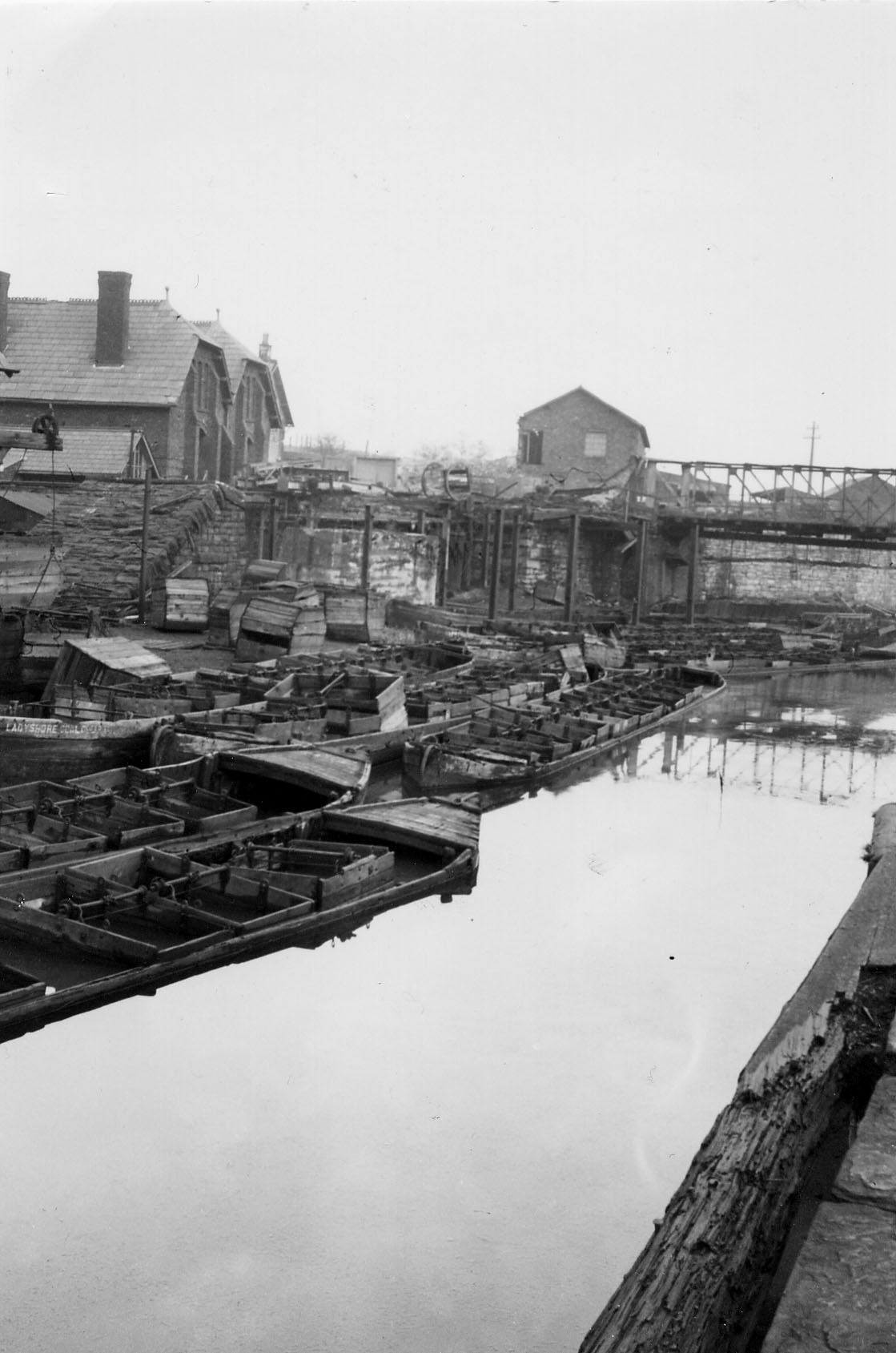
Thomas Fletcher Senior founded Ladyshore Colliery — originally named Back o' th' Barn — in Little Lever in the 1830s, on the Manchester Coalfield along the Irwell Valley fault, which made coal workable at relatively shallow depths. The colliery eventually comprised three pits: Ladyshore, Victoria and Owl Hole, the last reaching 55 fathoms. An 1842 Royal Commission investigating child labour in mines documented horrific conditions at Ladyshore and its sister mine, Outwood Colliery — children as young as five or six worked underground as door tenders and haulers, and pregnant women worked until carrying newborns out in their own skirts; the resulting Mines and Collieries Act 1842 banned the underground employment of women and children under ten. Decades later, Ladyshore became the subject of a landmark legal case: after an explosion at the nearby Clifton Hall Colliery killed 178 miners in 1885, HM Inspector of Mines Joseph Dickenson ordered safety lamps to replace the open candles still used at Ladyshore, whose seams were known to emit firedamp. Herbert Fletcher, managing the colliery for the family, fought the order through the courts, ultimately losing 2-1 in the House of Lords in January 1887; when he continued using open flames regardless, he was convicted in May 1887 of endangering his workers — a ruling that effectively ended the use of candles in English coal mines generally. Ladyshore worked on until June 1949, its final year producing 39,541 tons with 236 workers; it was the last colliery to use the Manchester, Bolton and Bury Canal for coal transport.
Geology
Coal of the Manchester field at Little Lever; the seams worked are not recorded.
Workings
Three pits — Ladyshore, Victoria and Owl Hole, the last reaching 55 fathoms — worked along the shallow Irwell Valley fault.
Closure
Closed in June 1949, its final year producing 39,541 tons with 236 workers; it was the last colliery to use the Manchester, Bolton and Bury Canal for coal transport.
What remains
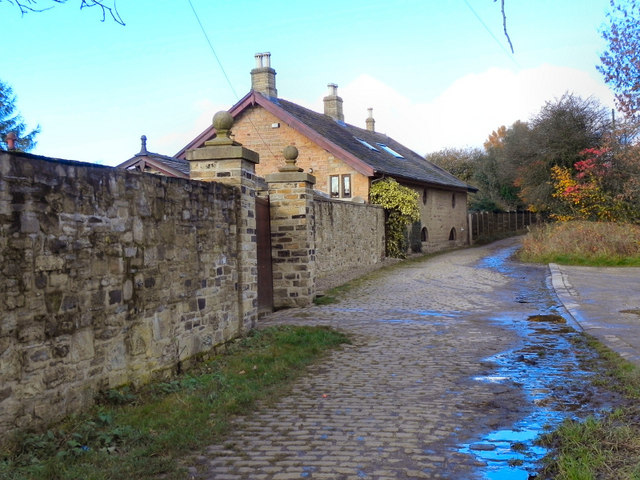
The colliery's 1833 office building and stables survive on Ladyshore Road, now used as a private house, and are Grade II listed.
Related mines
- Outwood Colliery — Outwood and Ladyshore were investigated together as sister mines by the 1842 Royal Commission on child labour, which documented equally severe conditions at both — a genuine, evidence-based historical connection rather than mere proximity.
- Tonge Colliery — Bolton-district pits on either side of the town, Ladyshore two miles south on the canal.
Nearby mines
- Stopes Colliery — 0.5 miles (0.7 km) N
- Outwood Colliery — 1.0 miles (1.6 km) SE
- Stoneclough Colliery — 1.3 miles (2.1 km) SW
- Spindle Point Colliery — 1.4 miles (2.3 km) S
- Unity Brook Colliery — 1.6 miles (2.6 km) SW
Straight-line distance, within 9 miles (15 km). Show on the map.
Disasters & major incidents
-
Ladyshore Colliery inundation, 1835
1835 · Flooding / Inundation · 17 fatalities
On 10 July 1835 water from the River Croal broke into the Fletchers' Ladyshore Colliery at Little Lever, near Bolton, and drowned ten men and seven boys.
Recorded claims
Individual factual claims, each attached to the source(s) that support it below. Where sources disagree, both are kept.
- An 1842 Royal Commission documented children as young as five or six working underground at Ladyshore and its sister mine Outwood as door tenders and haulers, and pregnant women working until carrying newborns out in their skirts — evidence that fed directly into the Mines and Collieries Act 1842. 1
- After the 1885 Clifton Hall Colliery explosion killed 178 miners, HM Inspector Joseph Dickenson ordered safety lamps at Ladyshore; manager Herbert Fletcher fought the order to the House of Lords, lost 2-1 in January 1887, and was convicted in May 1887 for continuing to use open flames — a case that effectively ended candle use in English coal mines. 1
- Ladyshore closed in June 1949, its final year producing 39,541 tons with 236 workers; it was the last colliery to use the Manchester, Bolton and Bury Canal for coal transport. 1
- The colliery's 1833 office building and stables on Ladyshore Road survive today as a private house, and are Grade II listed. 2
- Bolton Archives hold the Ladyshore Coal and Terra Cotta Company's records (ZLA, 1796-1948), including Fletcher and Company's accident registers, accounts, maps and plans of Ladyshore, Breightmet, Burnden and Outwood collieries, wages and production books, and rentals for coal leased from the Duke of Buccleuch and Queensberry in the Honour of Clitheroe. 3
- The Mining Remediation Authority's abandonment plans for Ladyshore run to 34 sheets covering the Arley, Ten Feet, Top Yard, Two and Three Yards, Gingham, Doe, Five Quarters, Trencherbone and Cannel seams. 4
- Located at about 53.557 N, 2.360 W. 1
Photographs & further reading
Confirms the Grade II listing of the surviving colliery office and stables.
View sourceSources
- (secondary) Ladyshore Colliery — Wikipedia — Wikipedia
- (secondary) Listed buildings in Little Lever — Wikipedia — Wikipedia
- (primary) Ladyshore Coal and Terra Cotta Company, Little Lever: archive ZLA, 1796-1948 (Bolton Archives) — Bolton Libraries and Museums
- (primary) Ladyshore abandonment plans, NW1047 and others (BGS mine plans catalogue) — British Geological Survey / Mining Remediation Authority
Record created: 2 September 2026 · Last researched: 24 September 2026