 MineArchive
Hartford Colliery
| Location | Hartford, Cramlington, Northumberland — 55.1092, -1.5753 (approximate) |
|---|---|
| Commodity | Coal |
| Type | Coal |
| Worked | 1858–24 February 1961 |
| Maximum depth | Unknown. |
| Operators | Joseph Lamb & Partners, Cramlington Coal Company Ltd, Hartley Main Collieries Ltd (1929–1946), National Coal Board (1947–1961) |
Overview
A Cramlington colliery of the Athey, Scott and Daisy pits on the River Blyth, sunk from 1858, held by Joseph Lamb & Partners, the Cramlington Coal Company and Hartley Main Collieries, and closed on 24 February 1961.
History
Hartford Colliery lay at Cramlington on the River Blyth, 10 miles north of Newcastle. The Durham Mining Museum lists the Athey Pit, with sinking from 3 March 1858, the Scott Pit, with sinking from 12 November 1866, and the Daisy Pit. Joseph Lamb & Partners owned it in the 1880s and the Cramlington Coal Company Ltd in the 1890s. In May 1929 the Cramlington and Seaton Delaval companies were amalgamated as Hartley Main Collieries Ltd, which held Hartford until nationalisation in 1947.
Employment was 681 in 1894, 727 in 1910, 968 in 1921 and 518 in 1930, and the colliery is returned as closed in November 1924, with 18 people in 1925. After nationalisation it employed 712 in 1947, when it raised 232,000 tons, 754 in 1950 and 634 in 1961. The output was steam coal, with household coal from 1935 and fireclay from 1902 to 1915, from seams that included the High Main, Low Main, Plessey, Stone Coal and Yard. In the early 1930s Hartley Main electrified its pits: at Hartford an 8-foot parallel-drum winder driven by a 193-horsepower motor replaced the steam winder in the same engine house within 14 days, and the screens were modernised.
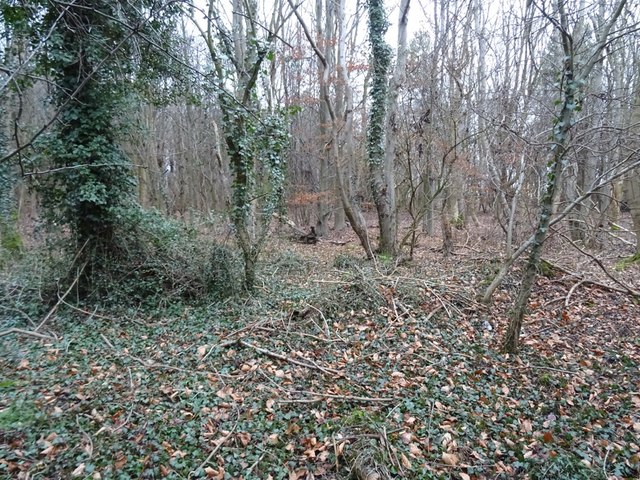
The colliery closed on 24 February 1961. The museum lists 45 names of those killed, among them four men who fell out of the cage down the shaft on 20 July 1909 and two hewers killed by a fall of stone on 19 January 1917. One of its shafts stood in what is now established woodland.
Geology
The High Main, Low Main, Plessey, Stone Coal, Yard and Five Quarter seams were worked at different times, and fireclay was raised in 1902-15.
Workings
The Athey Pit, the Scott Pit and the Daisy Pit. In the early 1930s an electric drum winder replaced a steam winder in the same engine house.
Closure
The colliery closed on 24 February 1961, when it employed 634 people, 465 of them below ground.
What remains
One of the shaft sites is in established woodland.
Redevelopment
Unknown.
Related mines
- Dudley Colliery — Joseph Lamb & Partners and then the Cramlington Coal Company held both Hartford and the Dudley Pit of Cramlington Colliery.
- Seaton Delaval Colliery — Hartford's owner Cramlington Coal Company and the Seaton Delaval Coal Company were amalgamated as Hartley Main Collieries Ltd in May 1929.
- Shankhouse Colliery — Both were Cramlington Coal Company collieries and passed to Hartley Main Collieries Ltd in 1929.
Nearby mines
- Shankhouse Colliery — 1.0 miles (1.6 km) SE
- Bebside Colliery — 1.5 miles (2.4 km) NE
- Bedlington 'D' Colliery — 1.8 miles (2.9 km) NW
- Isabella Colliery, Blyth — 1.9 miles (3.1 km) E
- Newsham Colliery — 2.2 miles (3.5 km) E
Straight-line distance, within 9 miles (15 km). Show on the map.
Recorded claims
Individual factual claims, each attached to the source(s) that support it below. Where sources disagree, both are kept.
- The colliery's pits were the Athey, sunk from 3 March 1858, the Scott, sunk from 12 November 1866, and the Daisy. 1
- Joseph Lamb & Partners owned the colliery in the 1880s, the Cramlington Coal Company Ltd in the 1890s, Hartley Main Collieries Ltd from May 1929 and the National Coal Board from 1947. 1
- Hartley Main Collieries Ltd was formed in May 1929 by amalgamating the Seaton Delaval Coal Company and the Cramlington Coal Company. 2
- Employment was 681 in 1894, 968 in 1921, 518 in 1930, 754 in 1950 and 634 in 1961. 1
- In the early 1930s an 8-foot electric drum winder with a 193-horsepower motor replaced the steam winder in the same engine house within 14 days. 2
- The colliery closed on 24 February 1961. 1,3
- Four men fell out of the cage down the shaft on 20 July 1909. 1
Photographs & further reading
Pits with sinking dates, owners, output, employment 1894-1961, seams and 45 names of those killed.
View sourceEngineering article on the group's 1930s electrification, with the Hartford winder and screening plant.
View sourceSources
- (primary) Durham Mining Museum - Hartford Colliery — Durham Mining Museum
- (primary) The Hartley Main Collieries Limited, Durham Mining Museum — Durham Mining Museum
- (observational) Site of Hartford Colliery (Geograph 6040693) — Geograph
Record created: 29 September 2026 · Last researched: 29 September 2026