 MineArchive
Esh Winning Colliery
| Also known as | Esh Colliery |
|---|---|
| Location | Esh Winning, Deerness Valley, west of Durham, County Durham — 54.7753, -1.6969 (approximate) |
| Commodity | Coal |
| Type | Coal |
| Worked | 1866–1968 |
| Maximum depth | Unknown. |
| Operators | Joseph Pease & Partners (1866–?), Pease & Partners Ltd. (?–1947), National Coal Board (1947–1968) |
Overview
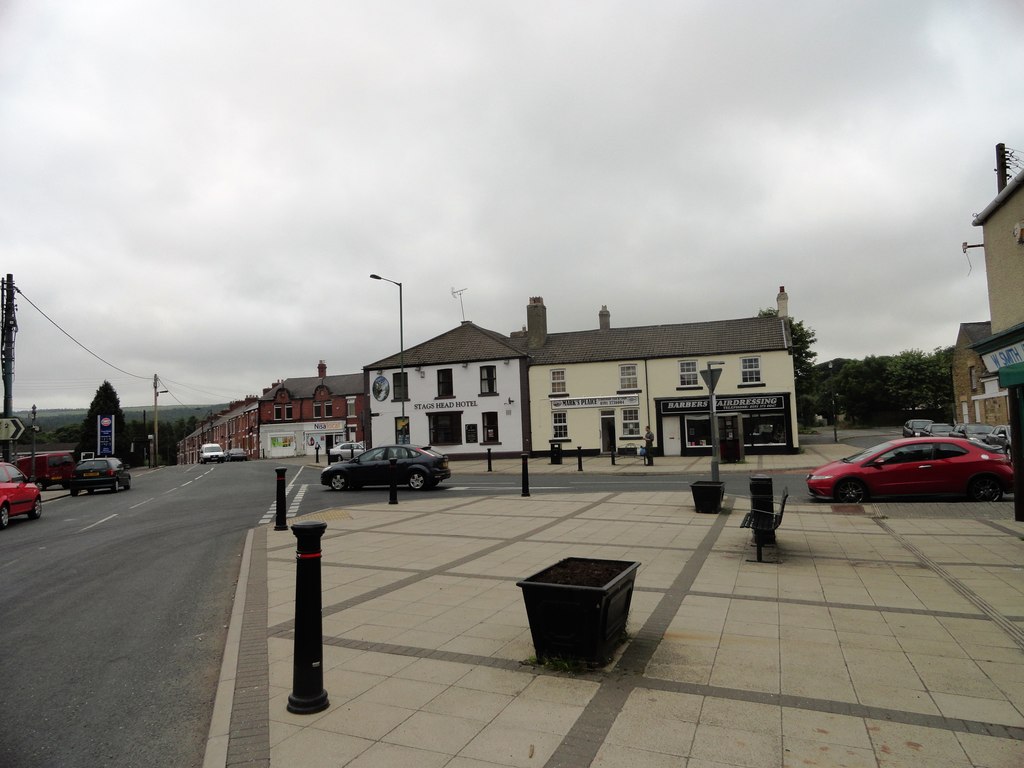
The Pease family's Esh Colliery in the Deerness Valley west of Durham, sunk in 1866, whose Quaker owners built Esh Winning as a model village around it; it worked coking coal for a century, standing almost idle through the 1930s, and closed in 1968.
History
Esh Winning was founded by the Quaker Pease family to house the workers for a new mine on their Esh Estate in the Deerness Valley, five miles west of Durham; the 'winning' in its name is the Victorian word for finding coal. Wikipedia dates the founding to the 1850s, while the Durham Mining Museum and the county's character study date the colliery from 1866, when Joseph Pease and Partners sank Esh Colliery to the Main Coal. The Peases built better housing than most colliery owners, with larger gardens, and the village grew around the pit and the Deerness Valley Railway. The colliery employed over 600 men from the 1890s and 839 in 1910, producing coking and manufacturing coal and fireclay from the Ballarat, Five Quarter, Harvey, Hutton and Main Coal seams. Work stopped in November 1930 and only a handful of men were employed for the next decade; the pit revived in the 1940s and under the National Coal Board reached 672 men in 1961, moving to the Three Quarter, Tilley, Brockwell and Busty seams before it closed in June 1968. The colliery banner, displayed at Beamish, was restored with a Lottery grant in 2006.
Geology
Durham Coal Measures: the Main Coal, Ballarat, Five Quarter, Harvey and Hutton seams before 1930, and the Three Quarter, Tilley, Brockwell and Busty under the NCB; fireclay was also raised.
Workings
A shaft colliery on the edge of the village, served by a branch of the Deerness Valley Railway.
Closure
Discontinued in November 1930 and largely idle through the 1930s; revived in the 1940s and closed in June 1968.
What remains
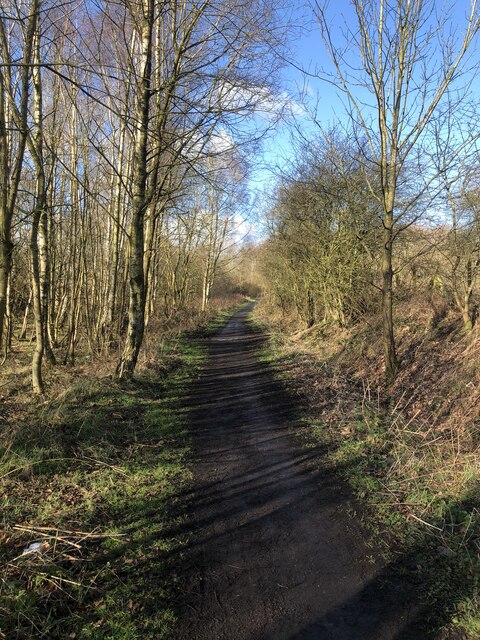
The colliery site on the edge of the village has gone; a footpath follows the trackbed of the former branch into it, and the Pease terraces and the Grade II Memorial Hall (1923) survive.
Unknown.
Redevelopment
Opencast mining around the village from the late 1970s to the 1990s; the Deerness Valley Railway is now a railway path.
Nearby mines
- Hamsteels Colliery — 1.5 km NW
- Ushaw Moor Colliery — 2.5 km E
- Cornsay Colliery — 3.0 km NW
- Bearpark Colliery — 4.9 km E
- Brandon Colliery — 5.5 km SE
Straight-line distance, within 15 km. Show on the map.
What's uncertain
Points where sources disagree or the record could not be settled; both accounts are kept. All open questions in the archive.
- The village was founded by the Pease family in the 1850s to service a new mine on the Esh Estate. (disputed) 2
Recorded claims
Individual factual claims, each attached to the source(s) that support it below. Where sources disagree, both are kept.
- Esh Colliery: sinking started and opened 1866, closed June 1968; owners Joseph Pease & Partners (1866) and the NCB (1947); employment 839 in 1910, 266 in 1930 (discontinued 11/30), 18 in 1935, 672 in 1961, 232 in 1968. 1
- The village was founded by the Pease family in the 1850s to service a new mine on the Esh Estate. (disputed) 2
- The village was founded in the mid-19th century by the Pease family to house workers for a new mine, Esh Colliery, which operated from 1866 until closure in 1968; opencast mining followed around the village from the late 1970s to the 1990s. 3
- The Pease family were Quakers and built more substantial housing than typical colliery standards, with larger gardens; Esh Winning was designed as a model colliery village. 3
- In March 2006 the National Lottery granted £25,200 towards restoring the Esh Winning Colliery banner, displayed at Beamish Museum. 2
Photographs & further reading
Owners, yearly employment, seams and the abandonment plans of Esh Colliery.
View sourceSources
- (secondary) Durham Mining Museum - Esh Colliery — Durham Mining Museum
- (secondary) Esh Winning — Wikipedia
- (primary) Esh Winning Settlement Character Study (2026) — Durham County Council
Record created: 21 September 2026 · Last researched: 21 September 2026