 MineArchive
Cleworth Hall Colliery
| Location | Tyldesley, on the Manchester Coalfield, Greater Manchester — 53.5169, -2.4532 (exact) |
|---|---|
| Commodity | Coal |
| Type | Coal |
| Worked | from 1874 |
| Maximum depth | The Crombouke mine lay at 71 yards; No. 2 shaft was later deepened to the Trencherbone and a third shaft sunk in the early 1890s. |
| Operators | Tyldesley Coal Company (1874–?) |
Overview
The largest and longest lasting of the Tyldesley Coal Company’s pits, sunk in 1874 under the Cleworth Hall estate east of Yew Tree Colliery. Its two original shafts went to the Rams and the Black and White mines; the Crombouke was worked out by 1890, No. 2 shaft was deepened to the Trencherbone and a third shaft added in the early 1890s. It employed 304 men underground and 46 on the surface in 1896, selling gas, household and manufacturing coal, and was modernised before 1914 with steel headgear on the Arley shaft and a washery and coal preparation plant at the pit head.
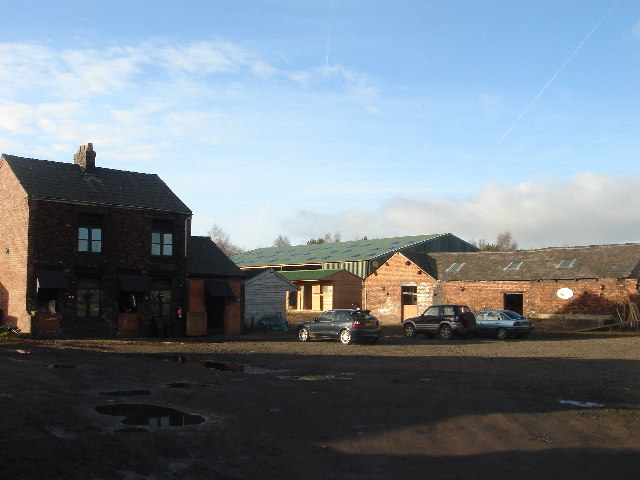
History
Cleworth Hall was sunk in 1874 under the Cleworth Hall estate at Tyldesley, east of the company’s Yew Tree Colliery, and became the largest and longest lasting of the Tyldesley Coal Company’s collieries. The two original shafts were put down to the Rams and the Black and White mines. The Crombouke mine, at a depth of 71 yards, was worked until its coal was exhausted in 1890; No. 2 shaft was then deepened to the Trencherbone and a third shaft sunk in the early 1890s. Ventilation was originally by furnace at No. 2 shaft, the older arrangement that the deeper twentieth-century pits replaced with fans. In 1896 the colliery employed 304 men underground and 46 on the surface, raising gas, household and manufacturing coal from the Black and White, Six-Foot and Trencherbone mines. It was modernised before 1914: the shaft to the Arley mine was equipped with steel headgear, and a washery and coal preparation plant were built near the pit head — the kind of investment that separated the pits with a future from those without one.
Geology
Middle Coal Measures of the Lancashire coalfield, laid down in the Carboniferous, with coal worked from the seams between the Worsley Four Foot and the Arley mines. The seams generally dip south and west and are cut by small faults; the Upper Coal Measures are not worked in this part of the field. In this part of Lancashire a seam is called a mine and the mine itself a colliery or pit — hence the Rams, Crombouke, Black and White, Six-Foot, Trencherbone and Arley mines all being worked from the one colliery.
Workings
Two shafts of 1874 to the Rams and the Black and White mines, with a third added in the early 1890s and No. 2 deepened to the Trencherbone once the Crombouke was exhausted. Ventilation was by furnace at No. 2 shaft in the early years. The Arley shaft was fitted with steel headgear before 1914 and a washery and coal preparation plant built beside the pit head.
Closure
The closure date is not known. The colliery is described as the longest lasting of the Tyldesley Coal Company’s pits, and was still being invested in shortly before the First World War.
What remains
Nothing of the colliery is identifiable. Cleworth Hall Farm and Cleworth Hall Lane survive at Tyldesley, carrying the name of the estate the pit was sunk under, and a footpath in the district follows an old colliery railway route.
None identified.
Nearby mines
- Yew Tree Colliery — 0.4 miles (0.7 km) E, Lancashire
- Combermere Colliery — 0.5 miles (0.8 km) N
- Great Boys Colliery — 0.5 miles (0.9 km) E
- Wharton Hall Colliery — 0.6 miles (1.0 km) NE
- Shakerley Colliery — 0.7 miles (1.1 km) W
Straight-line distance, within 9 miles (15 km). Show on the map.
What's uncertain
Points where sources disagree or the record could not be settled; both accounts are kept. All open questions in the archive.
- The BGS mine-plans catalogue holds a Mining Remediation Authority abandonment plan titled 'Cleworth Hall' (catalogue NW23, Brassey, dated 1951); the catalogue gives no location and the plan's details do not clearly tie it to this working, so it may belong to another of the same name. (uncertain) 3
Recorded claims
Individual factual claims, each attached to the source(s) that support it below. Where sources disagree, both are kept.
- Cleworth Hall, the largest and longest lasting of the collieries owned by the Tyldesley Coal Company, was sunk under the Cleworth Hall estate east of Yew Tree Colliery in 1874, its two original shafts going to the Rams and the Black and White mines. 1,2
- The Crombouke mine, at a depth of 71 yards, was worked until 1890 when its coal was exhausted; No. 2 shaft was then deepened to the Trencherbone mine and a third shaft sunk in the early 1890s. 2
- In 1896 Cleworth Hall employed 304 men underground and 46 surface workers, raising gas, household and manufacturing coal from the Black and White, Six-Foot and Trencherbone mines. 2
- The colliery was modernised before 1914, the shaft to the Arley mine being equipped with steel headgear and a washery and coal preparation plant built near the pit head; the pits had originally been ventilated by furnace at No. 2 shaft. 2
- The colliery exploited the Middle Coal Measures of the Lancashire coalfield, working seams between the Worsley Four Foot and Arley mines; the seams generally dip towards the south and west and are affected by small faults, and the Upper Coal Measures are not worked in this part of the coalfield. 2
- The BGS mine-plans catalogue holds a Mining Remediation Authority abandonment plan titled 'Cleworth Hall' (catalogue NW23, Brassey, dated 1951); the catalogue gives no location and the plan's details do not clearly tie it to this working, so it may belong to another of the same name. (uncertain) 3
Photographs & further reading
The sinking, the seams taken from each shaft, the 1896 employment figures and the pre-war modernisation, with references to Hayes’s history of the Manchester Coalfield.
View sourceThe county-wide list in which Cleworth Hall’s three shafts and their 1874 sinking are recorded alongside every other Lancashire pit of the period.
View sourceSources
- (secondary) List of collieries in Lancashire since 1854 — Wikipedia
- (secondary) Cleworth Hall Colliery — Wikipedia
- (primary) BGS / Mining Remediation Authority mine plans: CLEWORTH HALL — British Geological Survey / Mining Remediation Authority
Record created: 6 September 2026 · Last researched: 6 September 2026