 MineArchive
Cefn Coed Colliery
| Also known as | Cefn Coed Colliery Museum, Llwyn-on Colliery |
|---|---|
| Location | Crynant, Dulais Valley, Neath Port Talbot — 51.7166, -3.7594 (exact) |
| Commodity | Coal |
| Type | Coal |
| Worked | 1921 (sinking)–20 April 1968 |
| Maximum depth | No. 2 downcast shaft 2,106 ft 1 in to the Eighteen-Feet seam — claimed the deepest anthracite mine in the world |
| Operators | Llwyn-on Colliery Company (1921–1928), Amalgamated Anthracite Collieries Ltd (1928–1947), National Coal Board (1947–1968) |
Overview
Three attempts to sink here failed before the fourth got through the Blue Pennant sandstone, and what it reached was the deepest anthracite in the world: over 2,100 feet down, in a valley where the coal was worth the trouble and the sinking very nearly wasn't.
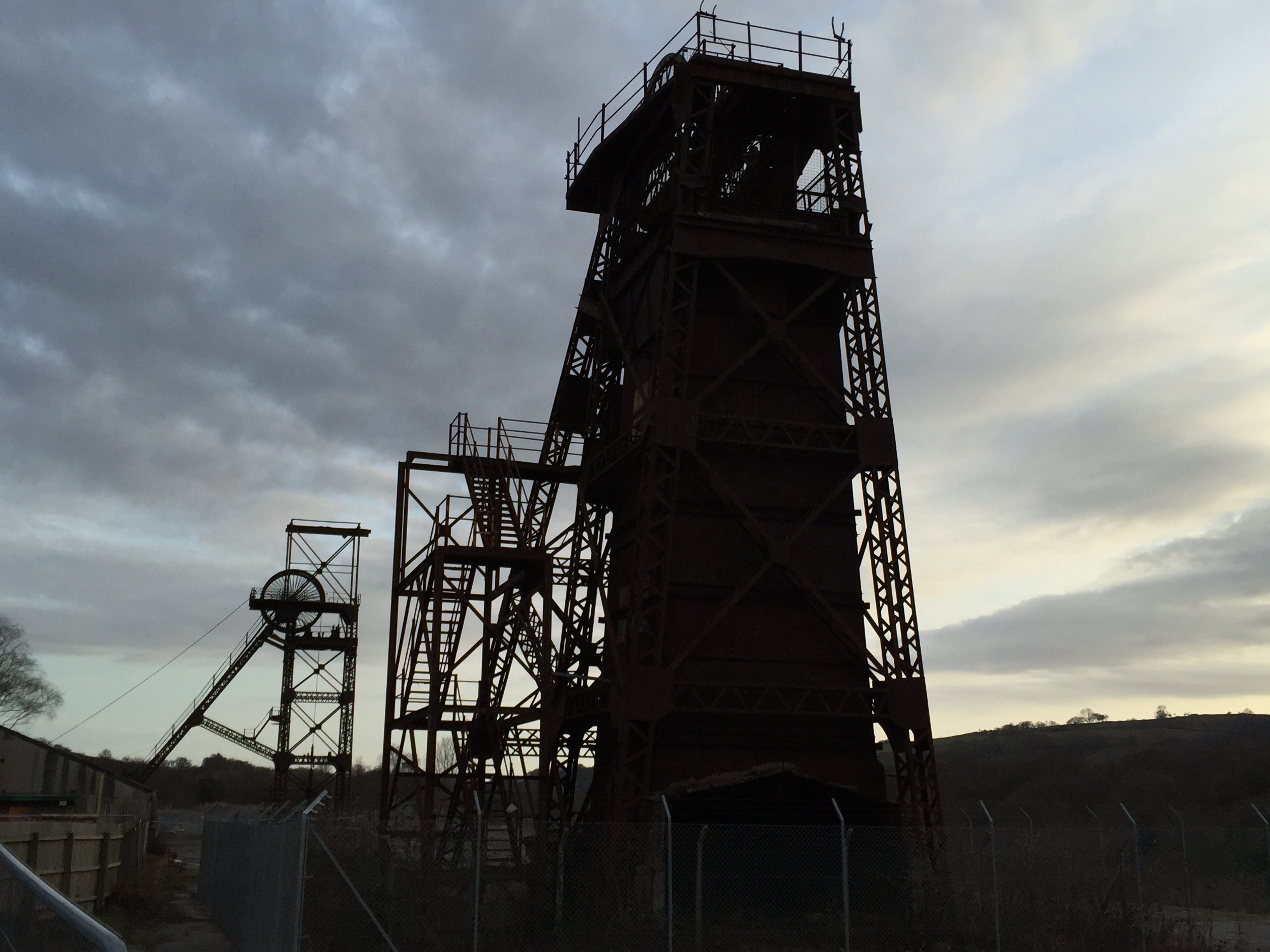
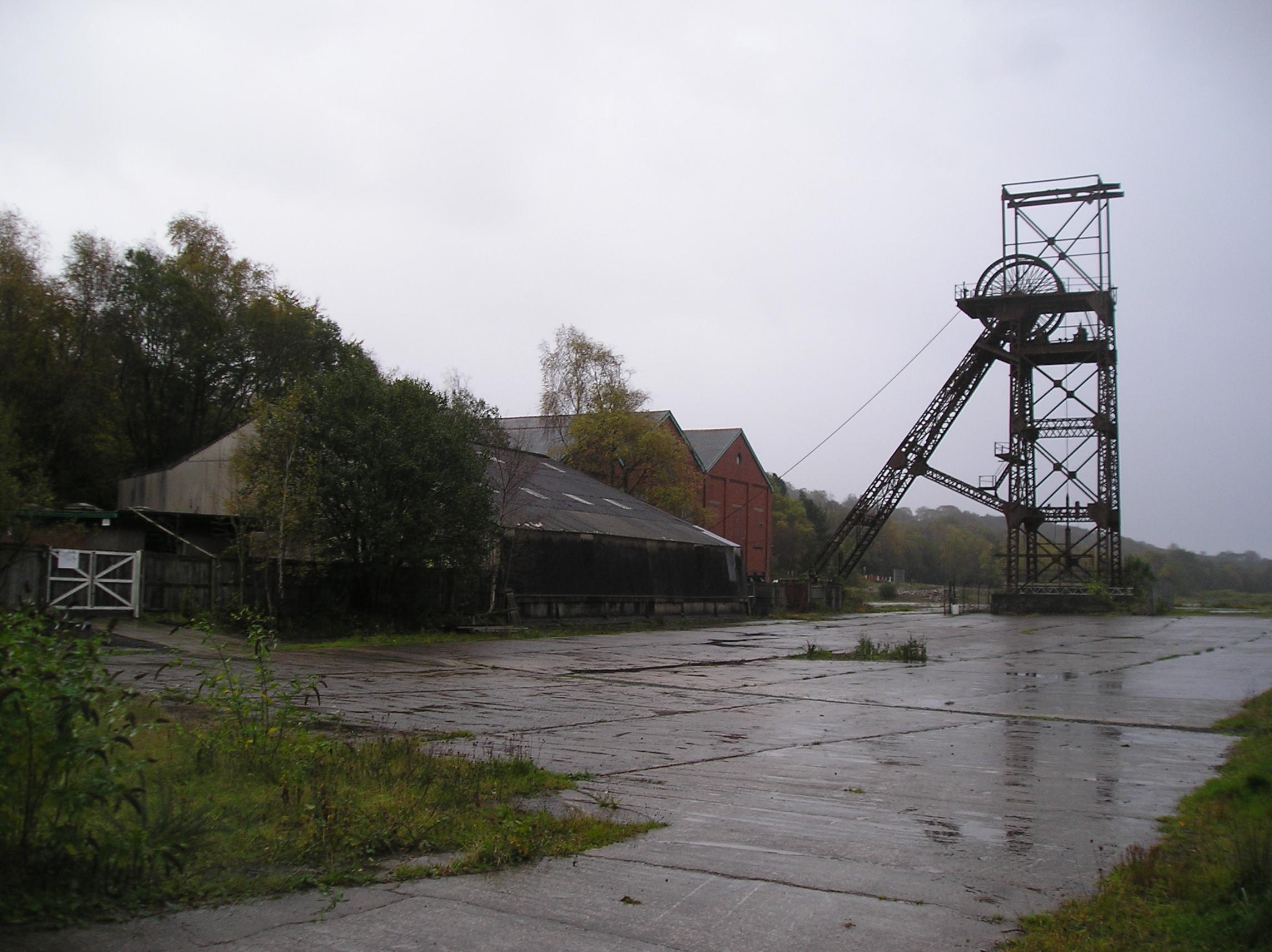
History
Sinking at Cefn Coed was attempted three times without success before the Llwyn-on Colliery Company began again in 1921. Work stopped, resumed in 1924, and the shafts were not finished until 1928 — seven years to get through hard Blue Pennant sandstone. The Amalgamated Anthracite combine, which had bought out the Llwyn-on company, took it on and brought the pit into production, its winding and workings driven by steam raised on gas drawn from the old workings. Employment peaked at around 1,200 in 1933 and was still over 900 in 1945. The National Coal Board took it over in 1947. Numbers fell steadily from the mid-1950s — 552 men by 1961 — and the colliery closed on 20 April 1968 despite a petition against closure carrying 51,500 signatures.
Geology
The western end of the South Wales coalfield yields anthracite: coal carried further through the coalification process than the steam and house coals to the east, harder, with a very high carbon content and burning almost without smoke. It is the most valuable coal in Britain and the most difficult to reach, because the same earth movements that made it also buried it deep and threw hard Pennant sandstone over the top. Cefn Coed's nine workable seams held some 72 feet of coal in total, the best of it in the Big Vein.
Geological setting: Coal Formation and Rank (well documented example), Sedimentary Beds and Seams (well documented example)
Workings
Two shafts, both twenty feet in diameter. The No. 1 upcast reached the Four-Feet White seam at 2,094 feet; the No. 2 downcast went to the Eighteen-Feet seam at 2,106 feet and one inch, and it was on that depth that the colliery's claim to be the deepest anthracite mine in the world rested. Nine major seams were worked, among them the Graig at 34 inches, the Six-Feet at 33 and the Peacock at 42 — thin coal, a long way down.
Closure
Cefn Coed closed on 20 April 1968. Coal Authority abandonment plans for the colliery are dated October 1967 and 1968. Neighbouring Blaenant took over some of the ground and worked on into the 1990s.
What remains
Preserved as the Cefn Coed Colliery Museum, opened in 1978, with the surface buildings conserved and the steam winding engines still in place. Among the machinery preserved on site is the 1927 Worsley Mesnes horizontal duplex steam winding engine that worked the No. 2 shaft — the largest running winding engine in Wales.
Unusually complete for a South Wales colliery: the original steam boilerhouse and chimney, the compressor house, the electrical generating house, and the No. 2 winding house with its original steam winding engines. Both headframes and the engine house range with its steam capstan engine are listed.
Redevelopment
A museum since 1978, and the subject of proposals to develop it further as a major heritage attraction for the Dulais Valley.
Related mines
- Blaenant Colliery — When Cefn Coed closed, most of its workforce and one of its two shafts transferred to Blaenant, which went on to extract the same No. 2 Rhondda seam.
- Treforgan Colliery — Treforgan was linked to Cefn Coed for ventilation in 1967.
Nearby mines
- Blaenant Colliery — 1.1 miles (1.8 km) NE
- Crynant Colliery — 1.1 miles (1.8 km) NE
- Ynysfechan Colliery — 1.3 miles (2.1 km) W
- Treforgan Colliery — 1.3 miles (2.2 km) N
- Cilfrew Colliery — 2.0 miles (3.2 km) SW
Straight-line distance, within 9 miles (15 km). Show on the map.
What's uncertain
Points where sources disagree or the record could not be settled; both accounts are kept. All open questions in the archive.
- Material from the Dulais Seam here was identified by X-ray diffraction as 'amesite or chrysotile' — an unusual, unresolved occurrence in Coal Measures strata rather than a confirmed chrysotile locality, and one of only two possible chrysotile records anywhere in Wales. (disputed) 5
Recorded claims
Individual factual claims, each attached to the source(s) that support it below. Where sources disagree, both are kept.
- Three attempts to sink at Cefn Coed failed before the Llwyn-on Colliery Company began in 1921; work halted, resumed in 1924, and the shafts were completed in 1928. 1
- Both shafts were 20 feet in diameter: the No. 1 upcast reached the Four-Feet White seam at 2,094 feet and the No. 2 downcast the Eighteen-Feet seam at 2,106 feet 1 inch, claimed as the deepest anthracite mine in the world. 1
- Nine major seams were worked, including the Graig at 34 inches, the Six-Feet at 33 and the Peacock at 42, with about 72 feet of coal in total. 1
- The shaft and workings were powered by a steam engine fuelled by gas drawn from the old workings. 2
- Employment peaked at around 1,200 in 1933 and was over 900 in 1945, falling to 552 by 1961; output ran between roughly 80,000 and 200,000 tons a year in the 1950s. 1
- The colliery closed on 20 April 1968 despite a petition of 51,500 signatures; abandonment plans are dated 27 October 1967 and 1968. 3,1
- The site has been the Cefn Coed Colliery Museum since 1978, retaining the steam boilerhouse and chimney, compressor house, electrical generating house and the No. 2 winding house with its original steam winding engines. 2
- The 1927 Worsley Mesnes horizontal duplex steam winding engine that powered the No. 2 shaft survives on site and is the largest running winding engine in Wales. 4
- Material from the Dulais Seam here was identified by X-ray diffraction as 'amesite or chrysotile' — an unusual, unresolved occurrence in Coal Measures strata rather than a confirmed chrysotile locality, and one of only two possible chrysotile records anywhere in Wales. (disputed) 5
Photographs & further reading
The statutory listing for the surviving headframe.
View sourceVisiting information for the museum on the colliery site.
View sourceSources
- (primary) Cefn Coed Colliery — Northern Mine Research Society
- (secondary) Cefn Coed Colliery Museum — Wikipedia
- (primary) Mine plans SWR2577 and SW209: Hopewell, Wimberry, Cannop and associated gales — British Geological Survey / Mining Remediation Authority mine plans catalogue
- (observational) Cefn Coed Colliery Museum, July 2025 — 28DaysLater
- (primary) Chrysotile — Mineralogy of Wales database — National Museum Wales
Record created: 24 August 2026 · Last researched: 24 August 2026