 MineArchive
Cannop Colliery
| Location | Cannop, Forest of Dean, Gloucestershire — 51.8007, -2.5677 (approximate) |
|---|---|
| Commodity | Coal |
| Type | Coal |
| Worked | From 1906 (sinking)–1960 |
| Maximum depth | No. 1 shaft reached the High Delf seam at 612 ft (1909) |
| Operators | Cannop Coal Co. Ltd (1906–1947) |
Overview
The largest colliery the Forest of Dean ever had, and one of its wettest — pumped at a cost that eventually closed it, after decades in which it alone accounted for a fifth of all Dean coal.
History
The Cannop Coal Co. Ltd was formed in June 1906, taking over the Union and Cannop and Prince Albert deep gales — the plots of mineral rights a Forest of Dean freeminer could hold — from Henry Crawshay & Co. Ltd. Two shafts were sunk, and No. 1 pit reached the four-foot-nine-inch High Delf seam at 612 feet by November 1909, though the same seam was already being worked from a shallower drift a short distance up Wimberry Slade. Winding of coal from the deep pit began in 1912, and output reached 1,000 tons a day by March 1915. Production peaked in 1937 at 402,784 tons, making Cannop the largest colliery in the Forest of Dean, with a workforce of around 1,040.
Geology
Cannop worked the High Delf seam of the Forest of Dean Coalfield's Pennant Group, a Carboniferous coal measure sequence folded into a broadly basin-shaped structure across the Forest. The colliery's persistent flooding reflects the coalfield's generally wet character, with water moving freely through faulted and fractured ground above the workings.
Workings
Two shafts served the deep mine, alongside the older High Delf drift up Wimberry Slade that had worked the same seam before the shafts were sunk. The pit was notoriously wet: electric pumps removed some 1,140 million gallons of water in 1928 alone, an operating cost that shaped the colliery's economics for the rest of its life.
Closure
Cannop closed in September 1960, with the high and rising cost of pumping cited as the deciding factor after decades of flooding.
What remains
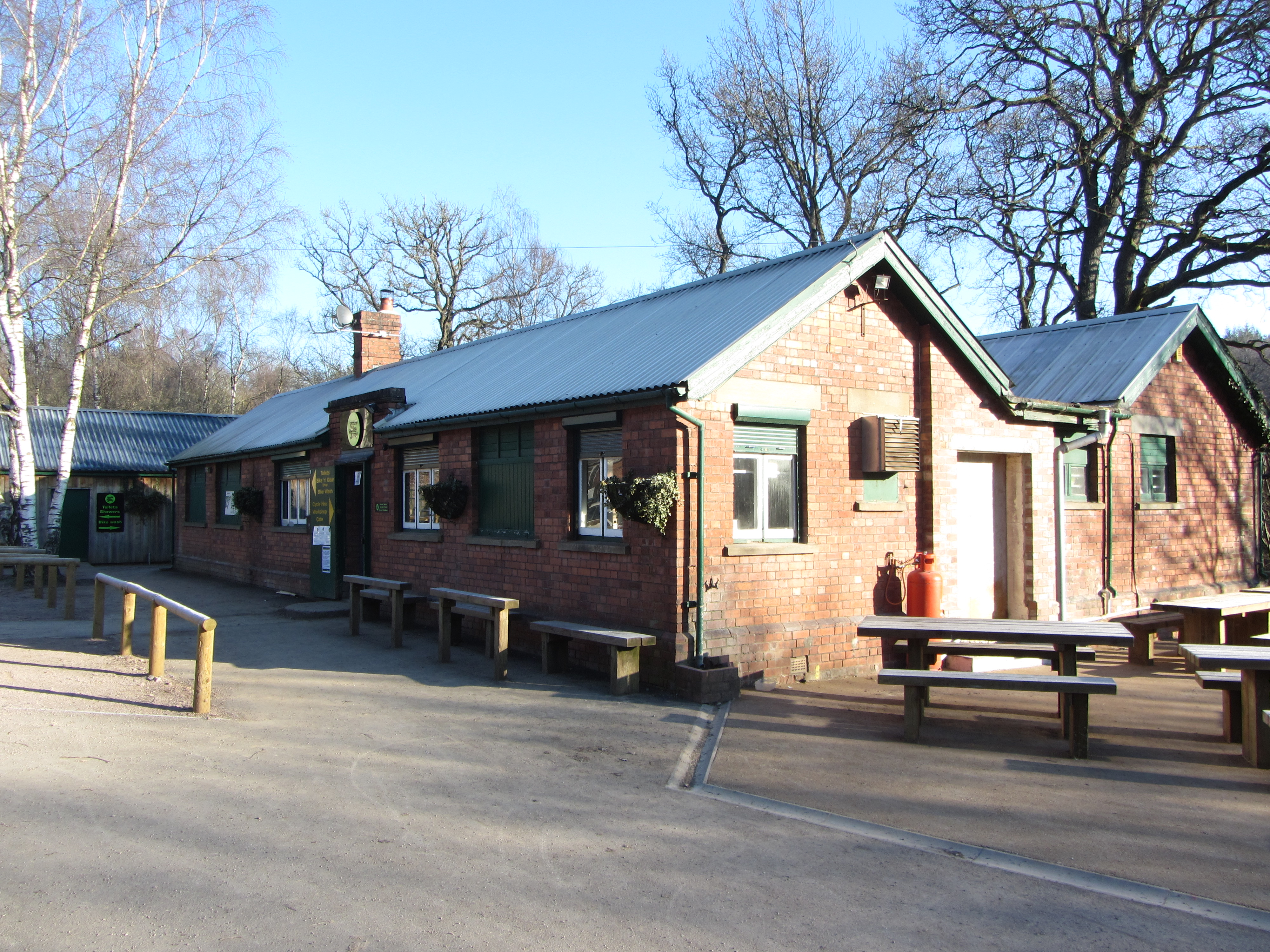
The former colliery buildings now serve as council offices and a cycle-hire centre for the Forest of Dean's cycle trails, and the site includes a gated, brick-lined drift mine entrance and an overgrown spoil tip. Cannop Ponds, immediately nearby, were originally built to supply water for colliery operations rather than for drainage.
Former colliery office buildings (now council and cycle-centre use), a brick-lined drift entrance, and an overgrown spoil tip.
Redevelopment
The colliery buildings now house a Forest of Dean council depot and cycle-hire centre.
Nearby mines
- Hopewell Colliery — 0.4 miles (0.6 km) S
- Gentlemen Colliers — 1.5 miles (2.4 km) W
- Cross Knave Colliery — 1.6 miles (2.6 km) W
- New Fancy Colliery — 1.7 miles (2.7 km) SE
- Brookall Ditches Colliery — 1.7 miles (2.8 km) S
Straight-line distance, within 9 miles (15 km). Show on the map.
Recorded claims
Individual factual claims, each attached to the source(s) that support it below. Where sources disagree, both are kept.
- The Cannop Coal Co. Ltd was formed in June 1906, taking over the Union and Cannop and Prince Albert deep gales from Henry Crawshay & Co. Ltd; No. 1 shaft reached the High Delf seam at 612 ft by November 1909. 1
- Deep winding began in 1912, output reached 1,000 tons a day by March 1915, and production peaked in 1937 at 402,784 tons with a workforce of about 1,040 — the largest colliery in the Forest of Dean. 1
- The colliery was notoriously wet, with electric pumps removing about 1,140 million gallons of water in 1928 alone. 1
- Cannop closed in September 1960, with the high cost of pumping cited as the deciding factor. 1
- The former colliery buildings now house council offices and a cycle-hire centre, with a gated brick-lined drift entrance and an overgrown spoil tip surviving on site. 1
- Output peaked at 402,784 tons in 1937 with a workforce of around 1,040; the colliery pumped 1,140 million gallons of water in 1928 alone, a cost that eventually forced its 1960 closure. 2
Sources
- (primary) Cannop Colliery — Forest of Dean Local History Society — Forest of Dean Local History Society
- (secondary) Cannop Colliery — Roger Farnworth (railway/industrial history)
Record created: 24 August 2026 · Last researched: 24 August 2026