 MineArchive
Barrwood Colliery
| Also known as | Barwood Colliery |
|---|---|
| Location | Barrwood, on the southern edge of Kilsyth, North Lanarkshire |
| Commodities | Coal, Ironstone |
| Type | Coal |
| Worked | to By 1912 |
| Maximum depth | 142 fathoms (No. 2 pit, to the coking coal) |
| Operators | William Baird & Company (1878–1889) |
Overview
William Baird and Co.'s two-pit colliery on the rising ground just south of Kilsyth, working the Kilsyth coking coal and two ironstones. On 8 March 1878 an explosion and a fire at the shaft bottom killed seventeen; the burning mine had to be sealed and flooded, and the last body was not recovered until September.
History
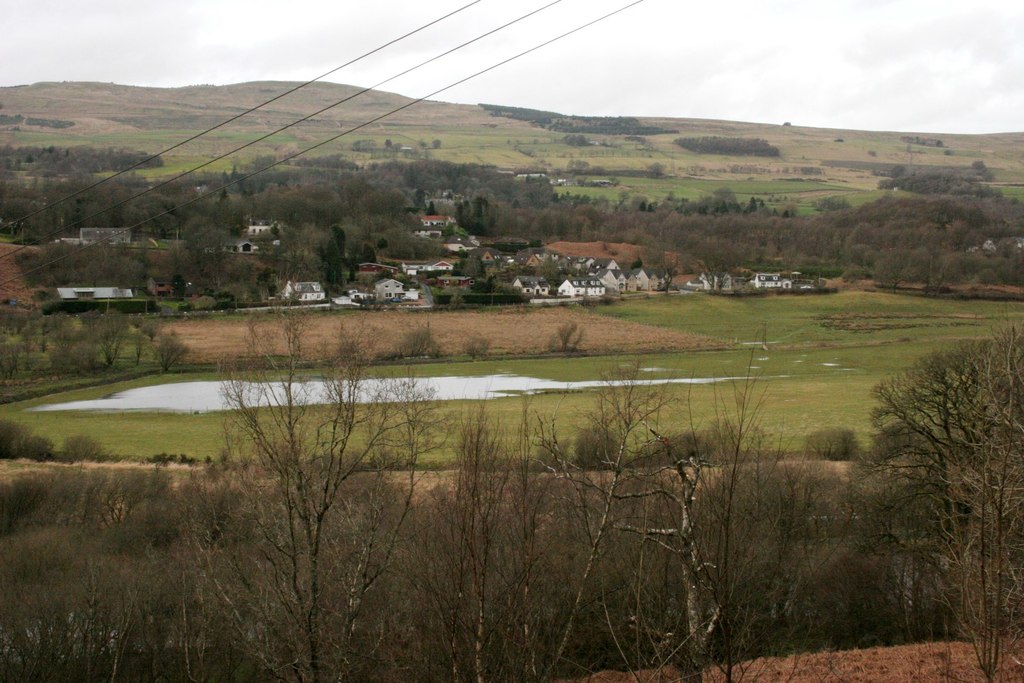
Barrwood Colliery stood on the rising ground immediately south of Kilsyth and belonged to William Baird and Co. It had two pits: No. 2, the downcast, 142 fathoms deep to the Kilsyth coking coal, and No. 1, the upcast, more than 400 yards to the south-east and 121 fathoms to the same seam, ventilated by two furnaces at its foot. The coking coal, about 3 feet 7 inches thick, was worked longwall, and the Bantone ironstone, 14 fathoms above it, and the Gartshore ironstone, 63 fathoms higher again, had both been worked from No. 2.
The seam was known to be fiery, but once the two pits were connected the men used naked lights. On 8 March 1878, two hours after 80 men had gone down, an explosion in the main dook and a fire at the bottom of No. 2 killed seventeen (see Disasters, below). Rescuers were driven back by afterdamp and further explosions, and after six days the mine was sealed and flooded; it was afterwards worked with locked safety lamps. A fund for the nine widows and 29 children passed £1,100.
On 20 December 1889 an outburst of gas at the face of a level running beside a large fault reached the naked lights of the next places and killed the fireman and a boy. The colliery's Main seam workings from No. 2 were abandoned in 1881, the coking coal in 1906 and the Cloven seam in 1912.
Geology
The Kilsyth coking coal, about 3 feet 7 inches thick under a hard close-grained freestone roof, and a fiery seam with feeders of gas; above it the Bantone ironstone, 12 inches thick, and the Gartshore ironstone. Abandonment plans also name the Main and Cloven seams.
Workings
Two pits about 400 yards apart, each with a midwall: No. 2 the downcast (142 fathoms) and No. 1 the upcast (121 fathoms) with two ventilating furnaces at its foot. The coal was worked longwall from a main dook, with a blind pit to the ironstone above.
Closure
Abandonment plans close the Main seam workings of No. 2 pit in 1881, the coking coal in 1906 and the Cloven seam in 1912.
What remains
Unknown.
Redevelopment
Unknown.
Related mines
- Dumbreck Colliery — Both William Baird and Co. pits at Kilsyth working the Kilsyth coking coal.
Disasters & major incidents
-
Barrwood Colliery explosion and fire, 1878
8 March 1878 · Explosion · 17 fatalities
On the morning of 8 March 1878, two hours after eighty men had gone down Barrwood Colliery at Kilsyth, the air reversed and the bottom of the downcast shaft filled with flame. Men in the ironstone workings escaped to the upcast, but those in the main dook were cut off. Rescuers were driven back by afterdamp and repeated explosions, and on the sixth day the burning mine was sealed and flooded. Seventeen died; the last body was recovered on 10 September.
Recorded claims
Individual factual claims, each attached to the source(s) that support it below. Where sources disagree, both are kept.
- Barrwood Colliery belonged to William Baird and Co. 1,2,3
- The colliery had two pits: No. 2, the downcast, 142 fathoms deep, and No. 1, the upcast, 121 fathoms deep to the coking coal. 1,2
- The coking coal averaged 3 feet 7 inches and was worked longwall; the Bantone and Gartshore ironstones above it were also worked from No. 2 pit. 1,2
- An explosion and fire on 8 March 1878 killed seventeen. 1,2
- An outburst of gas on 20 December 1889 killed the fireman and a boy. 3
- The Cloven seam workings were abandoned in 1912. 4
Photographs & further reading
The Inspector of Mines' report on the 1878 explosion and fire, with the names of the dead.
View sourceSources
- (secondary) Scottish Mining Website: Barrwood 1878 — Scottish Mining Website
- (secondary) NMRS: Barwood Colliery Explosion, Kilsyth, 1878 — Northern Mine Research Society
- (secondary) NMRS: Barrwood Colliery Explosion, Kylsyth, 1889 — Northern Mine Research Society
- (primary) BGS / Mining Remediation Authority mine plan: Barrwood, Cloven seam, abandoned 1912 — British Geological Survey
- (primary) BGS / Mining Remediation Authority mine plan: Barrwood No. 2, Main seam, abandoned 1881 — British Geological Survey
- (primary) BGS / Mining Remediation Authority mine plan: Barrwood, Coking seam, abandoned 1906 — British Geological Survey
Record created: 13 October 2026 · Last researched: 13 October 2026