 MineArchive
Bagtor Mine
| Location | northern slopes of Bagtor, 1.5 miles west of Ilsington, Devon — 50.5750, -3.7370 (approximate) |
|---|---|
| Commodities | Tin, Copper |
| Type | Metal |
| Worked | 1851–1866 |
| Maximum depth | Unknown. |
| Operators | Bagtor Mining Company (1862–1866) |
Overview
A small Dartmoor tin mine on the northern slopes of Bagtor, amalgamated into the larger Hemsworthy Mine (Haytor Consols) in the 1850s before a brief independent revival in the 1860s that once turned the largest waterwheel on the moor.
History
Bagtor Mine lies on the northern slopes of Bagtor, about 1.5 miles west of Ilsington on southeast Dartmoor. Between 1851 and 1856 it was amalgamated, along with Crownley Parks, Wheal Somerset, Ilsington and Teignmouth Mines, into the larger Hemsworthy Mine, also known as Haytor Consols, which worked the combined ground for tin and a small amount of copper. The whole concern closed in 1856, but Bagtor itself was reopened in 1862 under the independently formed Bagtor Mining Company, which drove further adits and erected a new 60-foot waterwheel -- reputedly the largest on Dartmoor -- to drive the stamps. Three lodes were worked, from the Quickbeam, Prosper and Western shafts, but the revival proved short-lived and largely unproductive: the only recorded output was 15 tons of black tin between 1863 and 1865, and work finally ceased in 1866.
Geology
Tin and copper in three lodes on the eastern edge of Dartmoor, worked from the Quickbeam, Prosper and Western shafts.
Workings
Worked three lodes via the Quickbeam, Prosper and Western shafts; a 60-foot waterwheel, reputedly the largest on Dartmoor, drove the stamps from 1862. Three lodes were worked from Quickbeam, Prosper and Western shafts; a tramway with a revetted incline and a small winding house carried ore from the workings in the Sig valley down to the stamps and dressing floors, where a 30-foot wheel drove 32 heads of stamps before the 60-foot wheel of the 1860s was added.
Closure
The combined Hemsworthy Mine concern closed in 1856; Bagtor itself was reopened independently in 1862 as the Bagtor Mining Company, but work finally ceased in 1866 after a largely unproductive revival.
What remains
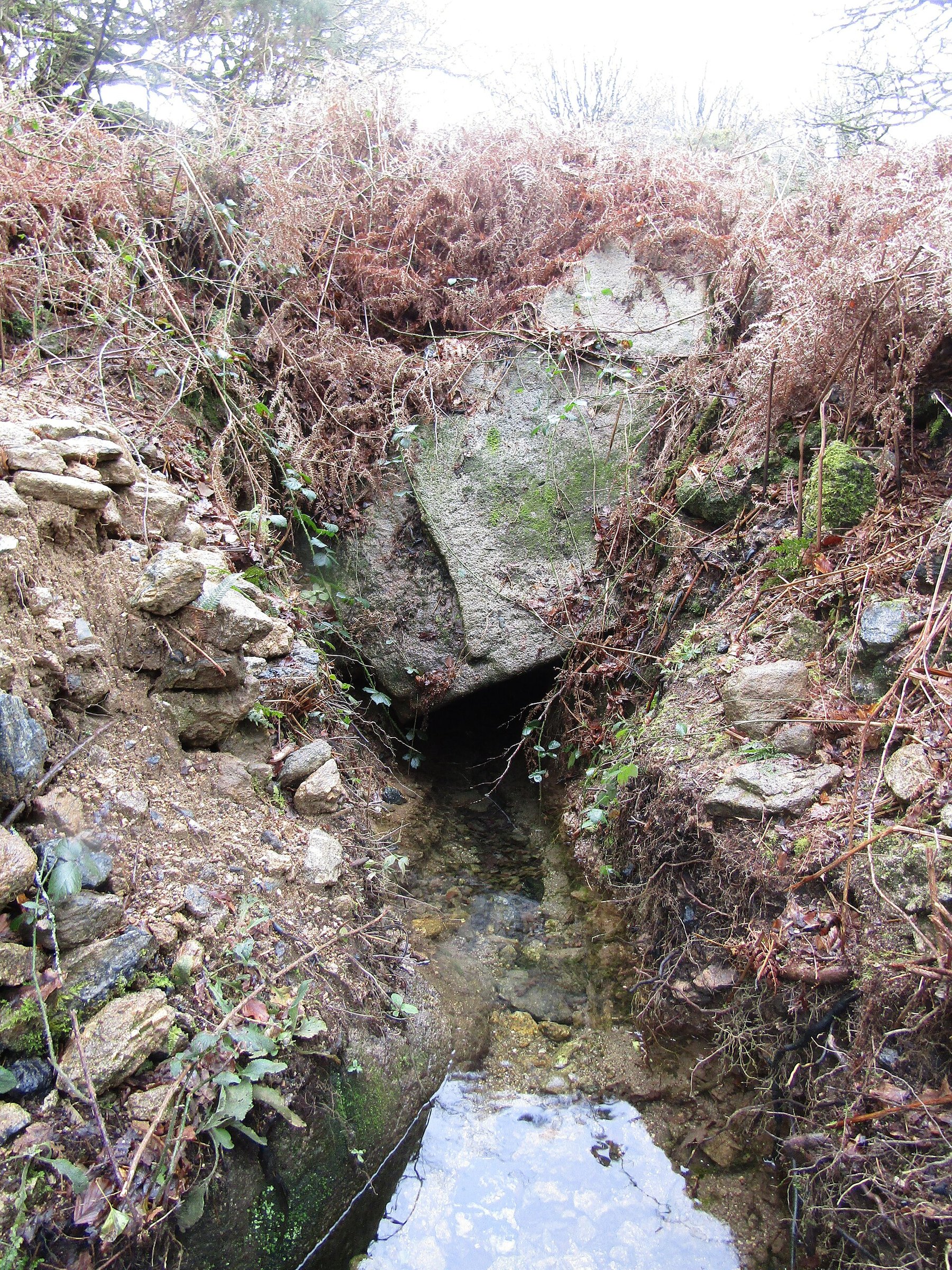
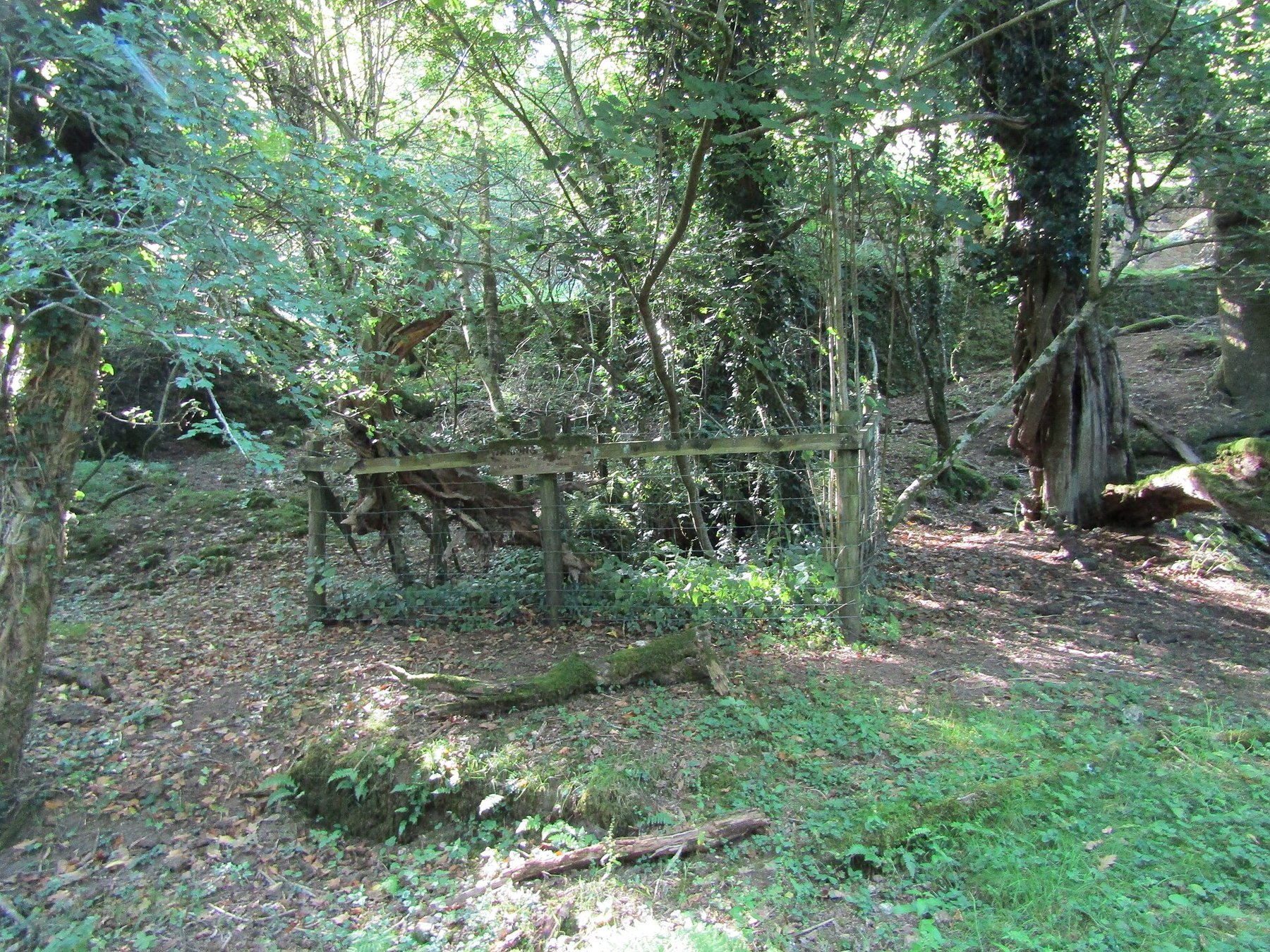
A 1999 archaeological field survey recorded surviving earthworks including adits, shaft heads and a wheel pit that may have housed a separate 30-foot wheel for pumping.
Adits, shaft heads and a wheel pit, recorded in a 1999 archaeological field survey.
Nearby mines
- Haytor Granite Quarry — 0.4 miles (0.7 km) SE
- Silverbrook Mine — 1.5 miles (2.4 km) E
- Hemsworthy Mine — 1.7 miles (2.7 km) W
- Yarner Copper Mine — 1.9 miles (3.1 km) N
- Kelly Mine — 3.4 miles (5.5 km) N
Straight-line distance, within 9 miles (15 km). Show on the map.
Recorded claims
Individual factual claims, each attached to the source(s) that support it below. Where sources disagree, both are kept.
- Bagtor was amalgamated with Crownley Parks, Wheal Somerset, Ilsington and Teignmouth Mines into Hemsworthy Mine (Haytor Consols) between 1851 and 1856, before being reopened independently in 1862 as the Bagtor Mining Company. 1
- The only recorded output from Bagtor's 1860s revival was 15 tons of black tin between 1863 and 1865, before work ceased in 1866. 2
- The mine worked three lodes from Quickbeam Shaft, Prosper Shaft and Western Shaft. 2
- The Bagtor Mining Company's 1862 reopening drove further adits and put up a new 60-foot waterwheel to drive the stamps, beside a tramway and incline with its winding house that carried ore down to the dressing floors. 1
- The Mining Remediation Authority holds abandonment plan OMR54B for the tin-ore workings of Bagtor. 3
Photographs & further reading
A fuller site history and survey of the mine's surviving earthworks.
View sourceSources
- (secondary) Crownley Parks (Bagtor Mine) — Dartmoor Explorations
- (secondary) Bagtor Mine, Devon — Mining in Devon Database
- (primary) BAGTOR (Mine Remediation Authority abandonment plan OMR54B, BGS mine plans catalogue) — British Geological Survey / Mining Remediation Authority
Record created: 1 September 2026 · Last researched: 24 September 2026