 MineArchive
Patent Fuel
| Also known as | Compressed Fuel (the name used in some companies' own registration, e.g. the Star Compressed Fuel Works), Coal Briquette (the modern, general international term for the same manufactured fuel block) |
|---|---|
| Category | Ore Processing |
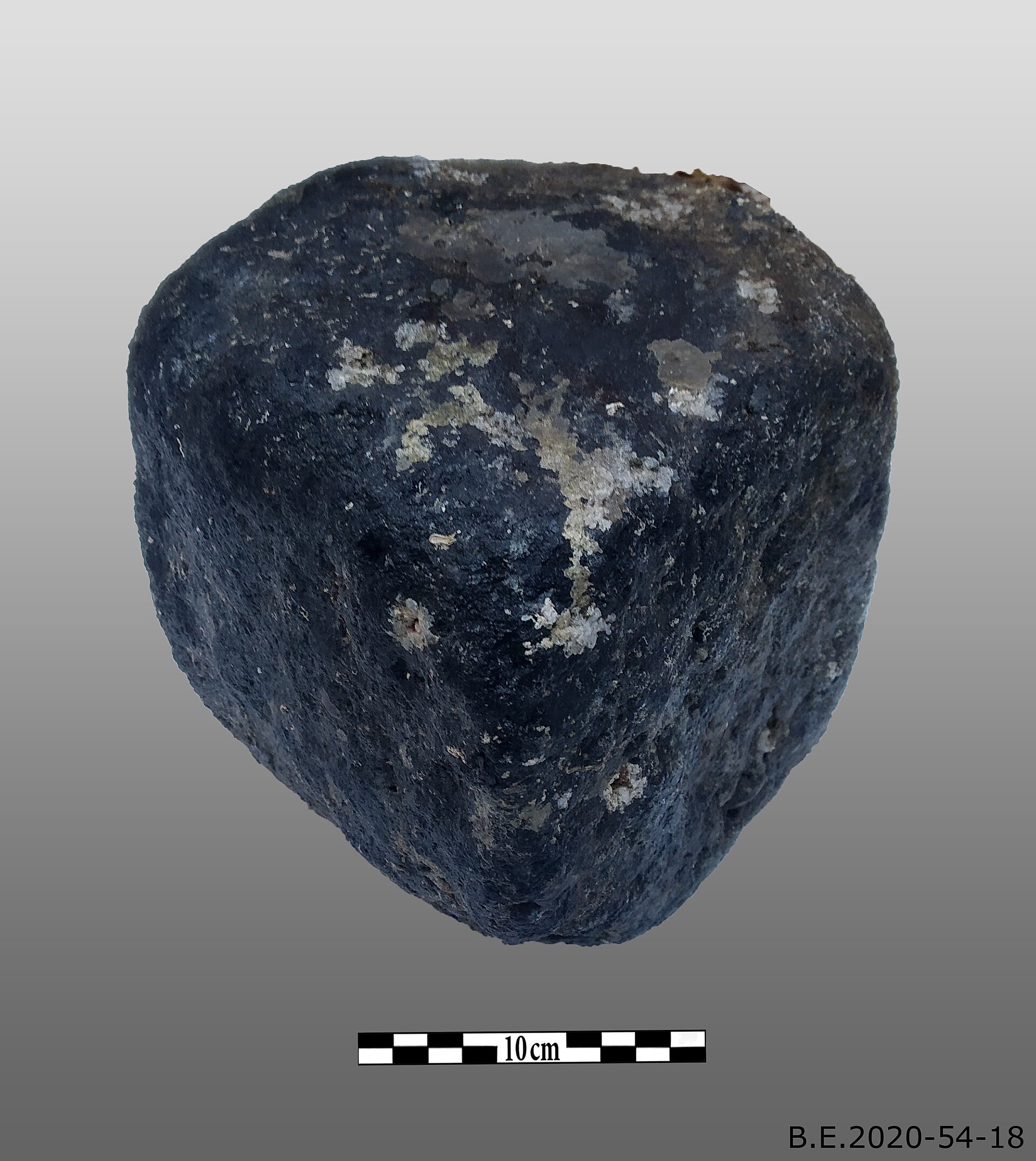
A manufactured smokeless fuel block made by compressing fine, otherwise unsaleable coal dust ("small coal" or slack) with a binder, usually coal-tar pitch, in a heated hydraulic press — the briquette industry that turned waste from South Wales's collieries into one of the region's biggest export products.
Historical usage
The first English patent for the process was granted to John Frederick Chabannes in December 1799, for bricks and balls of small coal bound with clay, tar, pitch and other waste materials for burning in London. The industry took off in South Wales from the mid-19th century: the Crown Patent Fuel Works at Maendy, Cardiff, opened in 1846, followed by the Anchor Works around 1866 and the Star Works in 1874. By the late 19th and early 20th centuries, south Wales — chiefly Cardiff and Swansea — was the world's leading exporter of patent fuel, shipping around three million tons a year in the 1900s decade; in 1913 it was Wales's second most valuable export after coal itself, ahead of iron. Production continued at some works into the 1960s, the Crown name lasting at Maendy until 1964.
How it worked
Small coal, too fine to sell as house or steam coal, was dried, then mixed with around 8-10% ground pitch — the residue left from distilling coal tar. In the earliest (Chabannes and Crown-works) method the coal was heated in cast-iron retorts like a gasworks's, pitch sprinkled on by hand as it emerged, and the hot mixture worked in heated pug mills before being shovelled by hand into moulds and pressed. From 1874 the Star Works' "Dry Heat" process, developed by T.E. Heath, used hot air rather than steam to melt the pitch, giving a denser block that resisted cracking and damp better than steam-processed rivals. Later plants mechanised further: coal was washed and graded, dried fines were mixed with disintegrated pitch on a conveyor, fused in steam-heated pugheaters, then moulded and pressed under great compression before cooling on trolleys. Blocks were typically rectangular in Cardiff, ranging from about 7 lb to 56 lb, with 28 lb the commonest size; an egg-shaped "ovoid" form was popular for domestic grates.
Why it was used
Patent fuel gave otherwise wasted coal dust a market, produced a fuel of somewhat higher calorific value than the coal it was made from (around 14,000 British thermal units per pound), and burned almost smokelessly. Its main advantage over loose coal was practical: the blocks stacked densely and regularly for stowage, withstood rough handling and weathering at sea far better than loose coal, and burned at a steady, predictable rate — valued by steamship, railway and military buyers worldwide, and specifically chosen to fuel early 20th-century Antarctic expeditions. Captain Scott's Terra Nova (1910) carried 300 tons of Crown Patent Fuel from Cardiff, his earlier Discovery expedition (1901) took 200 tons, and the Australasian Antarctic Expedition's Aurora loaded Crown fuel at Cardiff in 1911; blocks from the Terra Nova's stores were built into a wall of the expedition's pony stables at Cape Evans.
Risks & limitations
The industry depended entirely on export markets — France, Italy, Spain, Argentina and the two Americas among the chief buyers — so it rose and fell with international steamship coaling demand and competition from oil-fired shipping in the 20th century. It also depended on a steady, cheap supply of coal-tar pitch as binder, tying patent fuel works closely to the gasworks and coke-oven industries that produced it. The blend had to be adjusted to the coal available — Monmouthshire bituminous coal ran to 35% volatile matter against Carmarthenshire anthracite's 5% — so quality and burning characteristics varied between manufacturers and, over a works' long production life, between periods.
Regional variation
Overwhelmingly a Cardiff and Swansea industry, feeding the two ports' huge coal-export trade; Newport also had works. Cardiff's works clustered along the Glamorganshire Canal at Maendy and shipped mainly via canal barge and later rail to the docks; Swansea's, including the Graigola Merthyr Company's patent fuel works, served the anthracite and steam-coal trade of the western coalfield. Comparable briquette industries existed elsewhere in Britain and on the Continent, but none matched south Wales's export scale.
Mines associated with this term
Included only where MineArchive's own research gives a reasonable evidential basis — not every mine where this might plausibly apply.
- Birchrock Colliery — Swansea (well documented example)
Named twice in this record, first in the summary: “…locally 'Cory'. It worked the low-ash Graigola seam for Swansea's patent-fuel trade, grew to over a thousand men by 1920 with Cefn Drim, and lost…” - Cwmnantllwyd Colliery — Neath Port Talbot (well documented example)
Named in this record’s history: “…formed to carry on business as colliery and quarry proprietors and patent fuel manufacturers, one of whose founding subscribers, O. Jones of…”
Sources
- (secondary) Fuelling Antarctic exploration: The Crown Patent Fuel Company in Cardiff — National Museum Wales (Jennifer Protheroe-Jones)
- (secondary) Patent fuel — Wikipedia
- (secondary) Star Patent Fuel Works — The Industrial Railway Record (Industrial Railway Society), No. 24, April 1969
Record created: 15 September 2026 · Last researched: 15 September 2026