 MineArchive
Wheal Martyn China Clay Works
| Location | Carthew, St Austell, Cornwall — 50.3654, -4.8070 (exact) |
|---|---|
| Commodity | China Clay |
| Type | Clay |
| Worked | 1820s–1931 (pits) |
| Operators | Elias Martyn (1820–1872), John Lovering (1880–1931) |
Overview
Wheal Martyn, near St Austell, was one of the founding works of Cornwall's china clay industry — an industry that, at its early 20th-century peak, supplied around half the world's kaolin. The site is now the UK's only china clay mining museum, preserving the only Victorian clay works still maintained in working condition.
History
Richard Martyn bought the Carthew estate in 1790, and his son Elias founded the Wheal Martyn china clay works there in the 1820s, growing it to five pits by the 1840s and around 2,000 tons of clay a year by 1869. After Elias's death in 1872, his son Richard closed or leased out the works; John Lovering took the lease in the 1880s and substantially modernised the site. The neighbouring Gomm china clay works, part of the same site today, was worked separately by the Martyn family from around 1878 into the 1920s. Clay extraction at Wheal Martyn itself ceased in 1931, though the works' pan kiln continued drying clay brought in from nearby pits until 1969.
Geology
The works extracted china clay (kaolin) — decomposed granite — from open pits, part of the wider St Austell china clay district, which by the early 20th century was producing around a million tons of clay a year and supplying roughly half the world's kaolin.
Geological setting: Kaolinization and China Clay Deposits (well documented example)
Workings
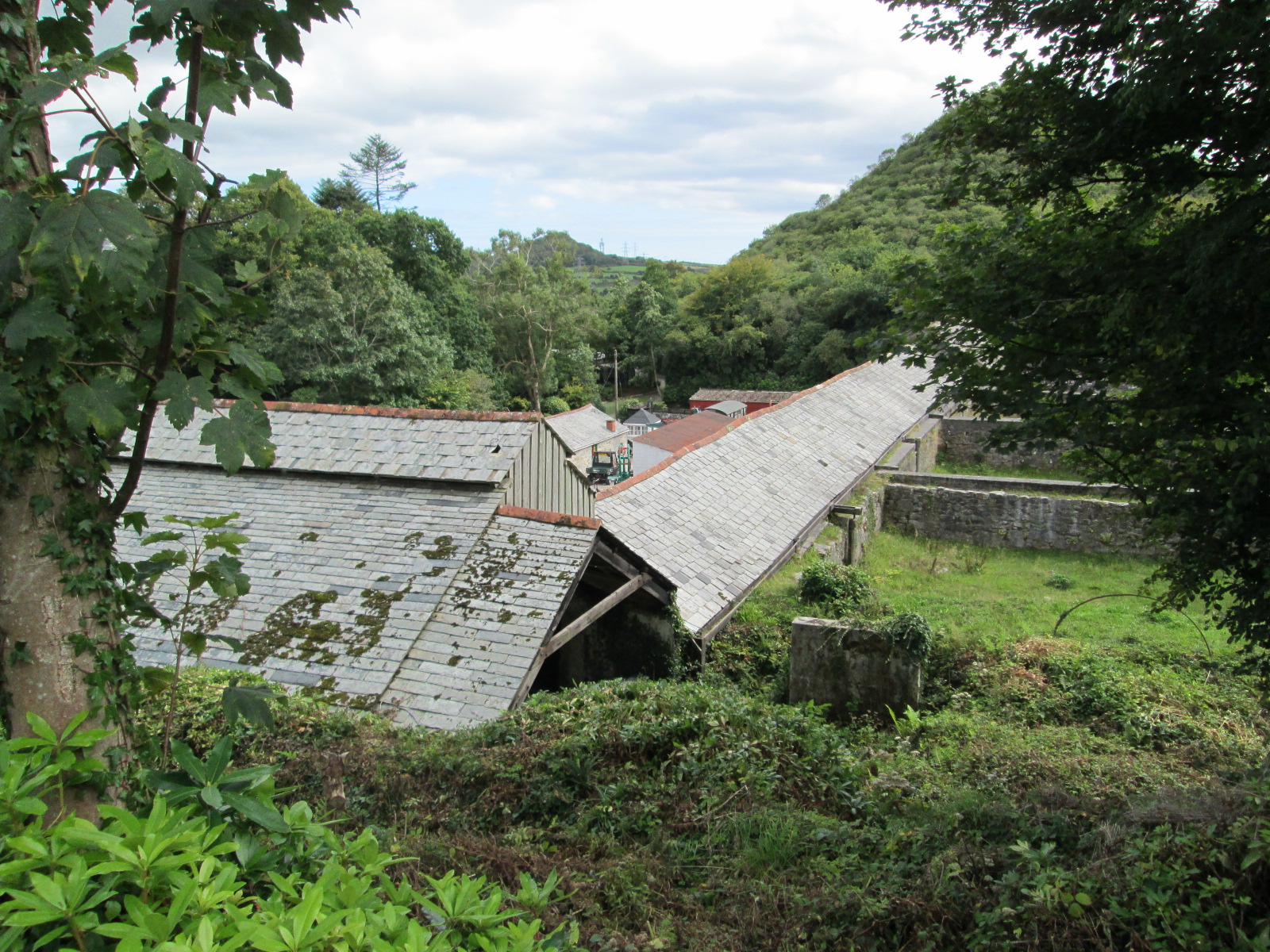
Clay slurry was pumped from the extraction pits through refining channels, where waste mica and sand were trapped out; the remaining clay-and-water suspension then settled in tanks for up to three months before the partly solidified clay was moved to heated pan kilns to dry fully and be cut into blocks for sale.
Closure
The clay pits closed in 1931; the site's pan kiln continued drying clay from other, still-active pits nearby until 1969, after which the works closed for good.
What remains
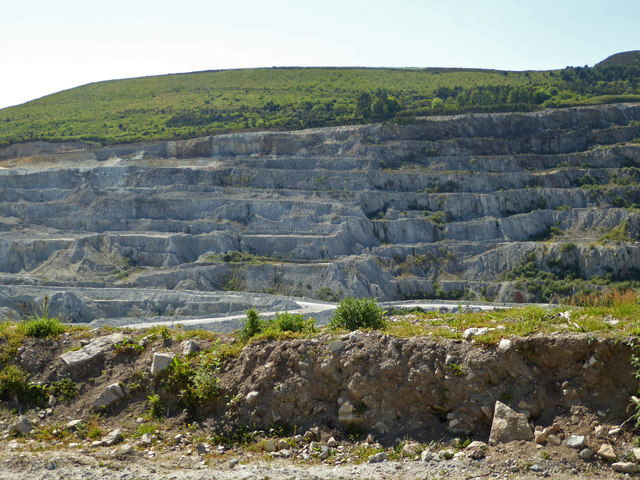
Wheal Martyn opened as the Wheal Martyn China Clay Museum in 1975 and remains open today, having recently completed a four-year restoration project; it preserves the only Victorian china clay works maintained in working condition anywhere, alongside a country park across the wider site. The clay pit beside the museum is still worked. A 2011 observation records the original Wheal Martyn and Greensplat pits as having merged into a single excavation but worked separately, the Wheal Martyn side held by Imerys Minerals Ltd, with the clay piped away for processing and refining at Littlejohns clayworks.
Related mines
- Lee Moor China Clay Works — Both china clay works are held today by Imerys Minerals Ltd, which took over the English China Clays estate covering the St Austell and Dartmoor clay districts.
Nearby mines
- Carclaze Pit — 1.4 miles (2.3 km) SE
- West Crinnis Mine — 3.3 miles (5.3 km) SE
- Cuddra Mine — 3.3 miles (5.4 km) SE
- Goonvean Pit — 3.4 miles (5.5 km) W
- Wheal Regent — 3.5 miles (5.6 km) SE
Straight-line distance, within 9 miles (15 km). Show on the map.
Recorded claims
Individual factual claims, each attached to the source(s) that support it below. Where sources disagree, both are kept.
- By 1869 Wheal Martyn was producing around 2,000 tons of china clay a year from five pits. 1,2
- Clay extraction ceased in 1931; the works' pan kiln continued drying clay from nearby pits until 1969. 2
- The site opened as the Wheal Martyn China Clay Museum in 1975 and is the UK's only china clay mining museum, preserving the only Victorian china clay works kept in working condition. 3
- The Wheal Martyn and Greensplat pits have merged into one excavation but are worked as separate operations, the Wheal Martyn side by Imerys Minerals Ltd, the clay going by pipeline to Littlejohns for processing. 4
- Located at about 50.365 N, 4.807 W. 2
Photographs & further reading
A general account of the works and the museum, useful for the sequence of ownership and the layout of the preserved site.
View sourceSources
- (secondary) Wheal Martyn facts for kids — Kiddle (Wikipedia-derived)
- (secondary) Wheal Martyn — Wikipedia
- (primary) Part of the china clay works known as Wheal Martyn, Treverbyn — Historic England
- (observational) Treverbyn: Wheal Martyn china clay pit — Geograph Britain and Ireland
Record created: 20 August 2026 · Last researched: 9 September 2026