 MineArchive
East Castle Colliery
| Location | Near Annfield Plain and Dipton, County Durham — 54.8621, -1.7655 (approximate) |
|---|---|
| Commodity | Coal |
| Type | Coal |
| Worked | 1860s–1917 |
| Maximum depth | About 180 feet (30 fathoms, 55 m), to the Brass Thill and Five Quarter seams. |
| Operators | East Pontop Coal Co. Ltd (?–1917), Bainbridge, Kissop & Co., C. Bainbridge and Co., East Castle Coal and Coke Company |
Overview
A coking colliery near Annfield Plain, opened by Bainbridge, Kissop and Company in the 1860s and later worked by the East Pontop Coal Company, with 74 coke ovens and its own village; its seams were abandoned in 1917.
History
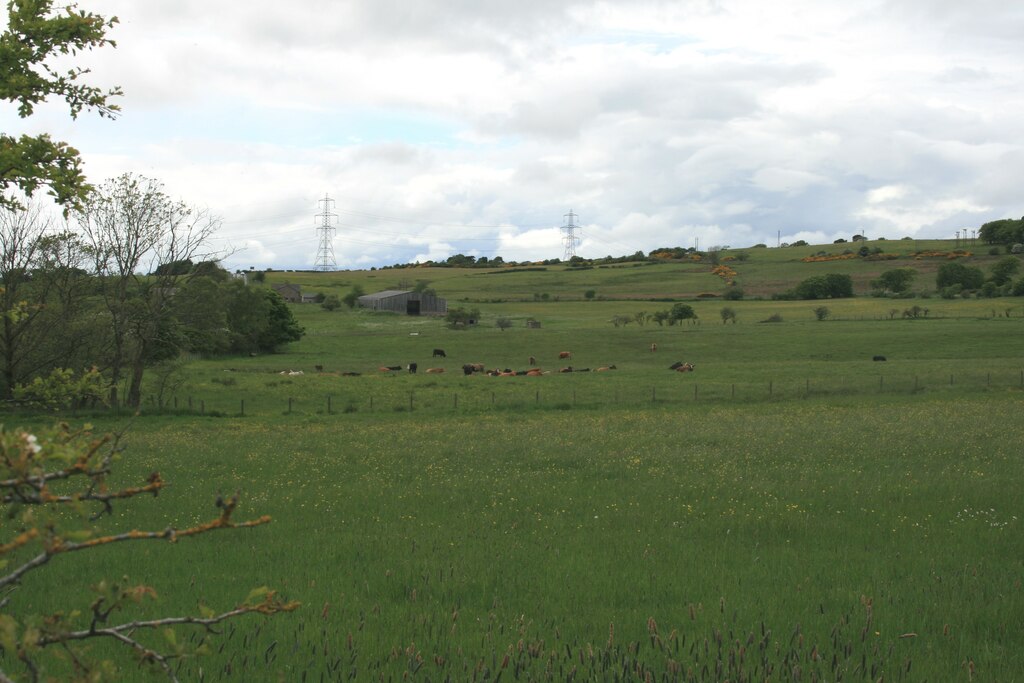
East Castle Colliery lay about a mile south of Dipton, near Annfield Plain, some nine and a half miles north-west of Durham, beside the house of Bantling Castle. Coal had been dug in the district since the sixteenth and seventeenth centuries, at first to burn lime at the kilns below the road. Bainbridge, Kissop and Company opened the colliery in the 1860s; it was reopened in 1868, and C. Bainbridge and Company and then the East Castle Coal and Coke Company held it in the 1880s. In 1886 notice was given to the 100 men employed, but work went on under the East Pontop Coal Company, which also owned East Pontop Colliery.
The colliery worked the Shield Row seam, six feet thick at seven and a half fathoms, and the Brass Thill and Five Quarter, each five feet eight inches, at thirty fathoms, divided by two feet of blue shale. Its coal went chiefly to coking and gas: in 1894 it had 74 coke ovens, only some in use, an output of about 100,000 tons a year and 163 men and boys. The returns give 174 employed in 1896, 178 in 1900 and 166 in 1910, falling to 85 in 1915. John Swallow managed it from 1883 to 1910. A village with a chapel was built for the workers to the west, with a quarry nearby.
The Shield Row, Five Quarter and Brass Thill seams were abandoned in 1917. The site was cleared in the first half of the twentieth century, the village was demolished, and little trace remains.
Geology
The Shield Row seam, six feet thick at seven and a half fathoms, and the Brass Thill and Five Quarter, five feet eight inches each at thirty fathoms, parted by two feet of blue shale; coal and ironstone plans are listed for the take.
Workings
Shafts to the Shield Row and to the Brass Thill and Five Quarter at 30 fathoms, with two lines of coke ovens (74 in 1894).
Closure
The Shield Row, Five Quarter and Brass Thill seams were abandoned in 1917.
What remains
The site has been cleared and reclaimed; little trace remains.
Related mines
- East Pontop Colliery — Both were owned by the East Pontop Coal Company.
- South Derwent Colliery — Both were owned by Bainbridge, Kissop and Company in the 1860s.
Nearby mines
- East Pontop Colliery — 0.8 miles (1.3 km) NE
- South Medomsley Colliery — 0.9 miles (1.4 km) NW
- Dipton Colliery — 0.9 miles (1.5 km) N
- South Derwent Colliery — 0.9 miles (1.5 km) E
- Eden Colliery — 1.1 miles (1.8 km) W
Straight-line distance, within 9 miles (15 km). Show on the map.
Recorded claims
Individual factual claims, each attached to the source(s) that support it below. Where sources disagree, both are kept.
- East Castle Colliery, about a mile south of Dipton, was reopened in 1868. 1
- Bainbridge, Kissop and Company opened East Castle Colliery in the 1860s. 1,2
- In 1894 East Castle had 74 coke ovens, an output of about 100,000 tons and 163 men and boys. 1
- Notice was given to the 100 men at East Castle in 1886, but the colliery continued under the East Pontop Coal Company. 2
- The Shield Row, Five Quarter and Brass Thill seams at East Castle were abandoned in 1917. 1,3
Photographs & further reading
Coals Archive record of the colliery, its coke ovens and the vanished village.
View sourceSources
- (primary) East Castle Colliery — Durham Mining Museum
- (secondary) East Castle Colliery — North East Heritage Library (Coals Archive)
- (primary) East Castle Colliery: catalogue of plans of abandoned mines — Durham Mining Museum
Record created: 23 October 2026 · Last researched: 23 October 2026