 MineArchive
Silverdale Colliery explosion, 1872
At 8 a.m. on 21 December 1872 gas fired in the Bullhurst seam of Stanier and Company's Silverdale Colliery, Staffordshire, killing all eight men near it; the shaft belched stones and coal. The inspector blamed the management for reopening workings he had had bricked up months before, and the jury could not agree a verdict.
| Date | 1872 |
|---|---|
| Mine | Silverdale Colliery |
| Region | Staffordshire |
| Type | Explosion |
| Fatalities | 8 (Eight, from 19 to 54; twelve more were overcome by afterdamp and revived.) |
| Injuries | 12 |
| Context | During active mining |
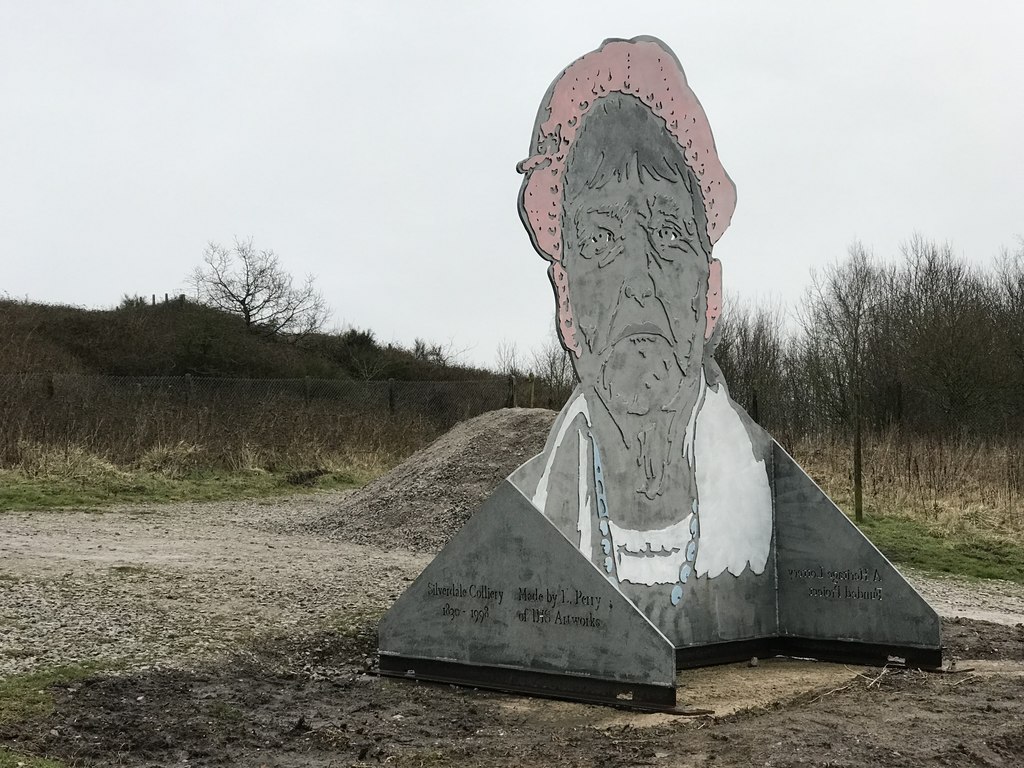
Cause
An explosion of firedamp in the Bullhurst seam, about 500 yards from the shaft.
Contributing factors
After an earlier explosion in July the inspector had judged the air insufficient and the level was bricked up on condition he was consulted before reopening; three brows were then driven 80 yards without that. Lamps were found unlocked and several men carried keys.
What happened
Three to four hundred men went down No. 6 pit between 7 and 8 a.m.; the gas fired at 8, confined to the Bullhurst seam, and no one near it survived. The shaft threw out stones and coal and carried away the fencing at the top. The head butty John Bainbridge and Amos Edwards were found together in the far thurling; John Edwards, another butty, lay in the heading near a lamp with its top off. The others killed were William Powis, Thomas Mullineux, John Nicholas, James Brown and John Hall.
Rescue & recovery
The manager Lucas, the engineer F. S. Sutton and the underground bailiff John Downing went down to explore. About twelve men who ran to the pit eye were overcome by afterdamp and were revived at the surface, contemporary accounts say, 'by the aid of electricity'. By the Monday a hundred men had cleared tons of debris and recovered all the bodies.
Investigation & inquiry
At the inquest before J. Booth at the Bush Inn, Silverdale, the inspector Thomas Wynne said he had required the Bullhurst level to be bricked up after two deaths in July, which he thought a firedamp explosion, and held the management responsible for reopening it.
Legal & regulatory aftermath
The coroner hinted at accidental death with censure of the management, but after five hours the jury could not agree; they were discharged and bound over to the next Staffordshire Assizes.
Changes to practice & legislation
Unknown.
Memorials & commemoration
Unknown.
Recorded claims
Individual factual claims, each attached to the source(s) that support it below. Where sources disagree, both are kept.
- On 21 December 1872 an explosion confined to the Bullhurst seam of the Sheriff Pit killed eight; the jury failed to agree and were bound over to the Assizes. 1
- Eight named as killed by explosion on 21 December 1872, aged 19 to 54. 2
Related terminology
Mining terms this disaster is structurally linked to, with the nature of the relationship.
- Afterdamp (hazard involved)
Overcame twelve men at the pit eye. - Buttyman (contextual relationship)
Named twice in this record, first in the narrative: “…stones and coal and carried away the fencing at the top. The head butty John Bainbridge and Amos Edwards were found together in the far…” - Firedamp (direct cause)
The Bullhurst seam fired. - Level (contextual relationship)
Named twice in this record, first in the contributing factors: “…in July the inspector had judged the air insufficient and the level was bricked up on condition he was consulted before reopening; three…” - Safety Lamp (contributing factor)
Lamps found unlocked, keys carried.
Sources
- (secondary) Silverdale Colliery Explosion - Newcastle - 1872 — Northern Mine Research Society
- (secondary) Durham Mining Museum - Silverdale Colliery — Durham Mining Museum
Record created: 21 September 2026 · Last researched: 21 September 2026