 MineArchive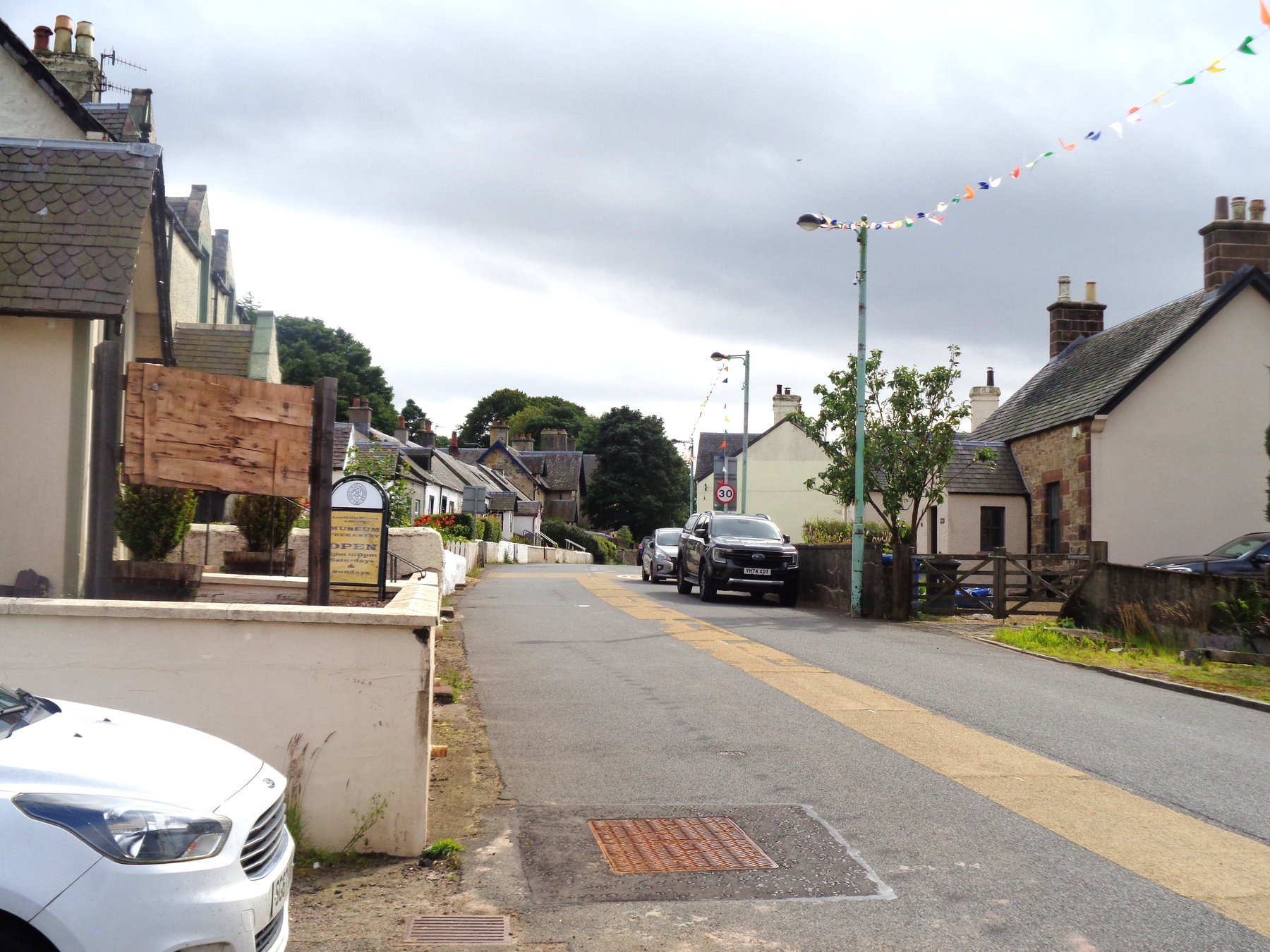
Leadhills Miners' Library
| Category | Learning |
|---|---|
| Dates | Founded 23 November 1741 · library building erected 1791 · membership over 100 by 1820 · ceased lending 1966 |
Founded by lead miners on 23 November 1741, the Leadhills Miners' Library is Britain's oldest subscription library and the first library anywhere established for working people — built, paid for and governed by the men who worked the lead veins in the hills above the village.
The mining history in this record
Leadhills had the three things a miners' library needed and few other industrial places had at once. The work was dangerous enough that shifts were short: miners worked a six-hour day because of the risk of lead poisoning, which left them time that factory hands did not have. The village had a school and most of the miners could read. And there was nowhere else, 1,300 feet up in the Lowther Hills, to spend the hours. What they could not do was buy books — a single volume cost about a fortnight's wages — so twenty-three of them founded a society to buy books in common, on 23 November 1741. It has been known since as the Leadhills Reading Society and, after the poet, the Allan Ramsay Library. It was the first library in Britain to practise 'mutual improvement', the idea that people learn more together than alone, and it became the model many other Scottish subscription libraries copied.
Membership passed a hundred by 1820 and peaked twice, during the Napoleonic Wars and again in the First World War — both times when lead was a strategic material and the village was busy. The most celebrated member was William Symington, the pioneer of steam navigation.
People
James Stirling of Garden (d. 1770), mine manager at Leadhills from 1734, is credited with encouraging the library's foundation — a mining engineer who set out, in the library's own words, to be a social engineer as well. William Symington (1764-1831), the steam navigation pioneer, was the library's most famous member. The poet Allan Ramsay (1686-1758) was also born at Leadhills, the son of Robert Ramsay, overseer of Lord Hopetoun's mines here -- though no source found ties him directly to the library itself, founded some years after he had already left for Edinburgh.
Legacy today
The library declined with the mines: the closures of the 1930s took its membership away, and it finally ceased to function as a lending library in 1966. It survives as a closed reference and research collection managed by the Leadhills Heritage Trust, open on weekend afternoons from May to September and by appointment at other times. Of more than 4,000 books at its greatest extent, about 2,500 survive — a rare continuous record of what working people actually read between the 1700s and the 1930s. It also holds something no other library does: a 46-volume run of mining journals and bargain books recording the contracts agreed between the mine managers and the miners from 1737 to 1854, the largest collection of its kind in Scotland.
Recorded claims
Individual factual claims, each tagged with how solidly it's grounded and attached to the source(s) that support it. Where sources disagree, both are kept.
- The Leadhills Miners' Library was founded with 23 members on 23 November 1741, and is described by the library itself and by the Independent Libraries Association as Britain's oldest subscription library and the world's first library for working people. (documented fact) 1,2
- The library's own history attributes its existence partly to the miners' six-hour working day, kept short because of the danger of lead poisoning, which left them leisure at a time when a book cost roughly two weeks' wages. (documented fact) 1
- James Stirling of Garden, mine manager at Leadhills from 1734 until his death in 1770, is credited with encouraging the library's foundation as part of a deliberate effort to change the miners' lives. (contemporary account) 1
- The library held over 4,000 books at its greatest extent, of which about 2,500 survive, along with a 46-volume collection of mining journals and bargain books recording contracts between mine managers and miners from 1737 to 1854 — the largest such collection in Scotland. (documented fact) 1
- The library building on Main Street was erected in 1791 and built by the miners themselves; it is one of the oldest library buildings in Scotland. (documented fact) 1,2
- Membership passed 100 by 1820 and peaked during the Napoleonic Wars and the First World War, when lead was a strategic material. The library declined after the mine closures of the 1930s and ceased to function as a lending library in 1966. (documented fact) 1
Mines
- Leadhills — South Lanarkshire
The library was founded, funded and governed by the Leadhills lead miners themselves, and its 46-volume run of bargain books records the contracts they worked under between 1737 and 1854. Its mine manager, James Stirling of Garden, is credited with encouraging its foundation, and its membership rose and fell with the mine.
Operators
Regions
Commodities
Real-world mining concepts used here
Related Culture records
- Wanlockhead Miners' Library
Founded fifteen years earlier and a mile and a half away, the Leadhills library was the explicit model for Wanlockhead's. - Wanlockhead Miners' Library
Wanlockhead's miners founded their library in 1756 on the Leadhills model of 1741, borrowing the 'mutual improvement' principle outright.
Sources
- (primary) Leadhills Miners' Library — Library History — Leadhills Heritage Trust
- (secondary) Leadhills Miners' Library — Independent Libraries Association — Independent Libraries Association
Record created: 28 August 2026 · Last researched: 28 August 2026