 MineArchive
Oxclose Colliery
| Location | Washington, Tyne and Wear — 54.8937, -1.4972 (approximate) |
|---|---|
| Commodity | Coal |
| Type | Coal |
| Worked | By 1718–After 1865 |
| Maximum depth | 1,127 feet (344 m), the B Pit sinking and boring of 1856 |
| Operators | Sir George Elliot (1850–1859) |
Overview
An early colliery at Washington, on the Wear side of the Durham coalfield, where a Newcomen engine was at work by 1718, among the first steam engines in the North East. An explosion killed thirty-eight men and boys there in November 1805, and its B Pit was deepened beyond the Hutton seam in 1856.
History
Oxclose Colliery lay at Washington, about four and a half miles west-south-west of Sunderland. A Newcomen pumping engine was erected there in 1718, one of the first steam engines in the North East, and a second engine, built by William Brown, the engineer at Throckley Colliery, was installed in 1762.
Its coal went by the Oxclose Waggonway, which joined the Washington Waggonway to Washington Staith on the Wear, where it was dropped into keels for Sunderland. In 1810 the colliery employed 140, against 390 at Washington Colliery and 300 at Fatfield. Five years earlier, at the end of November 1805, an explosion had killed thirty-eight men and boys, leaving eighteen widows and seventy children (see Disasters, below).
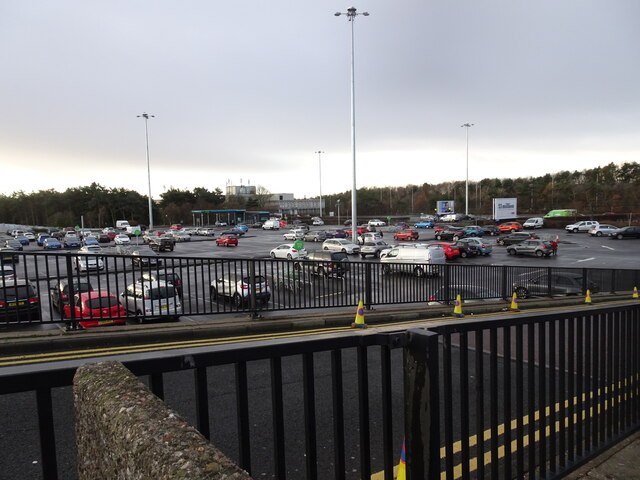
In the 1850s Oxclose was held by George Elliott and Johasshon. It had an A Pit and a B Pit, and in October 1856 a sinking was put down at the B Pit from the floor of the Hutton seam, 624 feet down, towards the Brockwell, and continued by boring to more than 1,100 feet. Coal output is returned for 1855, 1860 and 1865. The site is now under the A182 Washington Highway and the car park by the Galleries shopping centre.
Geology
Durham coalfield. The B Pit reached the Hutton seam at 624 feet (190 m), and the 1856 sinking and boring below it went on through sandstone ('post') and shales ('metal') with thin coals towards the Brockwell.
Workings
An A Pit and a B Pit; the B Pit was sunk to the Hutton seam at 624 feet and carried on by sinking and boring to 1,127 feet in 1856. Newcomen pumping engines from 1718 and 1762. Coal went by the Oxclose Waggonway to the Washington Waggonway and Washington Staith on the Wear.
Closure
Unknown.
What remains
The site is covered by the A182 Washington Highway and the car park near the Galleries shopping centre.
Redevelopment
Road and shopping-centre car park in Washington new town.
Related mines
- Usworth Colliery — Both held in the 1840s and 1850s by George Elliott's partnership with Johansson.
Nearby mines
- Washington Glebe Colliery — 0.9 miles (1.5 km) NW
- Fatfield Colliery — 1.2 miles (1.9 km) SW
- Penshaw Colliery — 1.4 miles (2.2 km) S, County Durham
- Washington Colliery — 1.5 miles (2.4 km) NW
- Chartershaugh Colliery — 1.6 miles (2.5 km) SW, County Durham
Straight-line distance, within 9 miles (15 km). Show on the map.
Disasters & major incidents
-
Oxclose Colliery explosion, 1805
29 November 1805 · Explosion · 38 fatalities
At the end of November 1805 an explosion at Oxclose Colliery, Washington, killed thirty-eight men and boys, the youngest eight years old, and left eighteen widows and seventy children.
Recorded claims
Individual factual claims, each attached to the source(s) that support it below. Where sources disagree, both are kept.
- A Newcomen engine was erected at Oxclose Colliery in 1718, one of the first steam engines in the North East. 1,2
- A steam engine built by William Brown, the engineer at Throckley Colliery, was installed at Oxclose in 1762. 3
- In 1810 Oxclose Colliery employed 140 men, against 390 at Washington and 300 at Fatfield. 2
- In the 1850s the colliery was held by George Elliott and Johasshon and worked from an A Pit and a B Pit. 4
- In October 1856 a sinking was put down at the B Pit from the thill of the Hutton seam, at 624 feet, towards the supposed Brockwell seam, and continued by boring. 4,5
- The Oxclose Waggonway ran from the colliery to join the Washington Waggonway to Washington Staith on the Wear. 6
- The colliery site is now the A182 Washington Highway and the car park near the Galleries shopping centre. 6,1
Photographs & further reading
Pits, owners, the 1856 B Pit sinking and the names of the thirty-eight killed in 1805.
View sourceThe 1718 Newcomen engine and where the colliery site lies today.
View sourceSources
- (secondary) Oxclose Colliery, Washington — Grace's Guide
- (secondary) History — Washington History Society
- (secondary) Oxclose Colliery Explosion - Oxclose - 1805 — Northern Mine Research Society
- (primary) Oxclose Colliery — Durham Mining Museum
- (primary) Oxclose Colliery: strata sunk and bored through in the B Pit, 1856 — Durham Mining Museum
- (secondary) Washingtondocs - Washington Colliery — Washingtondocs
Record created: 5 October 2026 · Last researched: 6 October 2026