 MineArchive
Llanharry Iron Mine
| Also known as | Glamorgan Haematite Iron Ore Mine, Llanharry Mine |
|---|---|
| Location | Llanharry, south of Llantrisant, Rhondda Cynon Taf — 51.5147, -3.4310 (approximate) |
| Commodity | Iron |
| Type | Iron |
| Worked | Early 1900s–1975 or 1976 |
| Operators | Glamorgan Haematite Iron Ore Company (1900–1976) |
Overview
For part of the 20th century the only iron mine left in Wales — a country whose entire industrial identity had been built on iron — sending haematite out through Pontyclun to the steelworks at Port Talbot and Newport until the mid-1970s.
History
Iron has been taken from around Llanharry since the Roman period, but the modern mine dates from the early 1900s, working as the Glamorgan Haematite Iron Ore Mine. Its ore went by rail from sidings at Pontyclun to the steelworks at Port Talbot and Newport. It outlived every other iron mine in the country: for a period in the 20th century Llanharry was the only working iron mine in Wales, which given what iron had meant to Wales is a fact worth sitting with. It closed in the mid-1970s, and the village went the way of other South Wales communities that had depended on one industry.
Geology
The ore is haematite and goethite in the Carboniferous Limestone of the southern rim of the South Wales coalfield — iron oxides concentrated in the limestone rather than bedded like the Jurassic ironstones of England, and a different animal again from the coal measures ironstones that fed the Merthyr furnaces. It is the same broad kind of deposit as the west Cumberland haematite: iron replacing and filling ground within a limestone.
Geological setting: Iron Replacement Deposits (well documented example)
Workings
Shaft mining on the ore bodies, with the ore railed out via sidings at Pontyclun. The mine is well recorded: ten plans survive in the national catalogue, including mine plans, a mineral plan and two syntheses.
Closure
Accounts give the closure as 1975 and as 1976. The local ironworks closed with it, and the village lost the industry it had grown around.
What remains
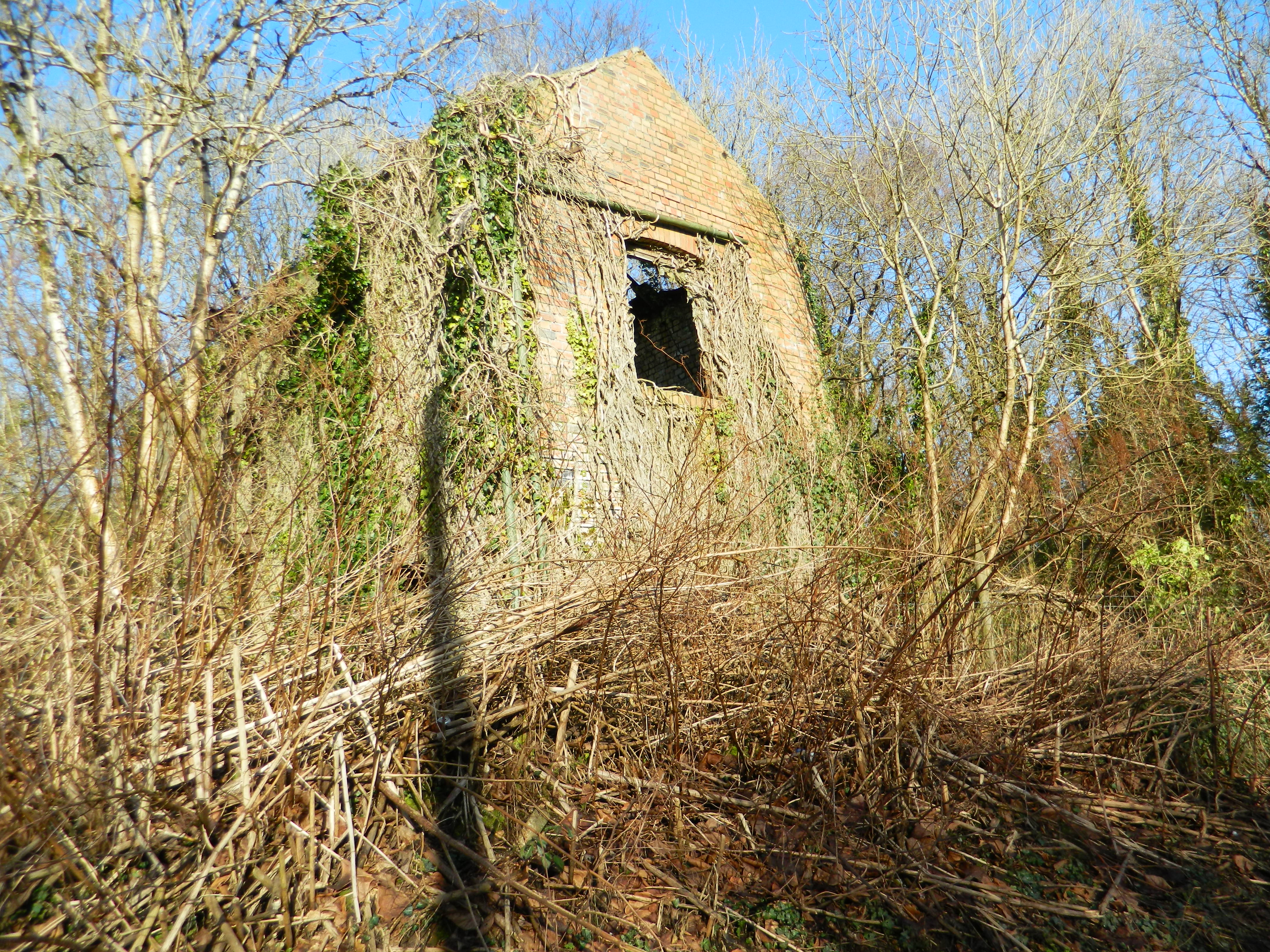
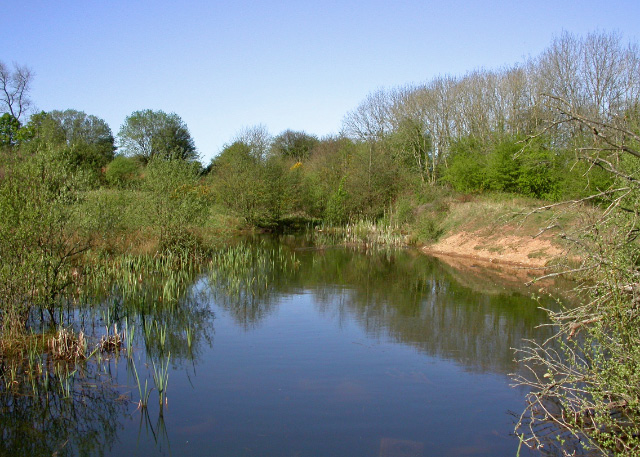
Largely demolished. The winding house and the tooling shop survive, and the shaft is capped but still flooded to considerable depth; a pool has formed in the old workings nearby. A 2021 exploration report describes three large buildings still standing — the fitting shop and winding house, the pit head baths and the old power house — along with smaller structures, one capped mineshaft, and the shell of the former pumphouse down a steep embankment; a vent pipe on the remaining shaft lets you see down into the flooded workings.
The winding house and tooling shop, some derelict buildings, and water standing in the old workings.
Redevelopment
The site has been cleared around the surviving buildings; the village remains.
Nearby mines
- Llanharan Colliery — 1.6 miles (2.5 km) NW
- Meiros Colliery — 2.2 miles (3.6 km) N
- Glyn Colliery, Tonyrefail — 2.6 miles (4.2 km) N
- Llantrisant Colliery — 2.7 miles (4.4 km) NE
- Coedely Colliery — 3.4 miles (5.4 km) N
Straight-line distance, within 9 miles (15 km). Show on the map.
What's uncertain
Points where sources disagree or the record could not be settled; both accounts are kept. All open questions in the archive.
Recorded claims
Individual factual claims, each attached to the source(s) that support it below. Where sources disagree, both are kept.
- The mine worked from the early 1900s as the Glamorgan Haematite Iron Ore Mine. 1,2
- The ore worked was goethite and haematite, used at the local ironworks and railed out to the steelworks at Port Talbot and Newport via sidings at Pontyclun. 1
- For a period in the 20th century Llanharry was the only working iron mine in Wales. 1
- The mine closed in 1976. (disputed) 1
- The closure is given as 1975 elsewhere. (disputed) 3
- The complex has been largely demolished; the winding house and tooling shop survive and the shaft is capped but still flooded to considerable depth. 3
- A 2021 exploration report records the fitting shop and winding house, the pit head baths and the old power house still standing, with one capped mineshaft and a vent pipe through which the flooded shaft can be seen. 4
Photographs & further reading
An earlier visit to the same buildings.
View sourceSources
- (secondary) Llanharry — Wikipedia
- (primary) Records of the Glamorgan haematite iron ore mine, Llanharry — The National Archives
- (secondary) Llanharry Mine, Rhondda Cynon Taf — Mindat
- (observational) Llanharry Iron Mine, South Wales, October 2021 — 28DaysLater
- (primary) Mine plans SWR2577 and SW209: Hopewell, Wimberry, Cannop and associated gales — British Geological Survey / Mining Remediation Authority mine plans catalogue
Record created: 24 August 2026 · Last researched: 24 August 2026