 MineArchive
Leighton Buzzard Sand Quarries
| Location | Leighton Buzzard, Bedfordshire — 51.9300, -0.6550 (approximate) |
|---|---|
| Commodity | Silica Sand |
| Type | Quarry |
| Worked | By 1851–By late 1960s |
Overview
Silica sand quarries so pure they glazed the Crystal Palace and, a century later, supplied wartime ammunition factories — still connected to the outside world by their own narrow-gauge railway, now run by volunteers as a heritage line.
History
A bed of exceptionally pure Lower Cretaceous silica sand runs across Bedfordshire, worked on a small scale for centuries, with the richest deposits around Leighton Buzzard. The sand's quality was renowned: in 1851 it was used to make the glass panes of the Crystal Palace, and for decades afterward it served as the industry standard for testing building products such as cement. Through the 19th century, sand was hauled by horse cart from quarries south of the town to the Dunstable-Leighton Buzzard railway for onward shipment — traffic heavy enough that the carts' damage to local roads drew compensation claims from Bedfordshire County Council, worsened once steam wagons replaced horses at the century's end.
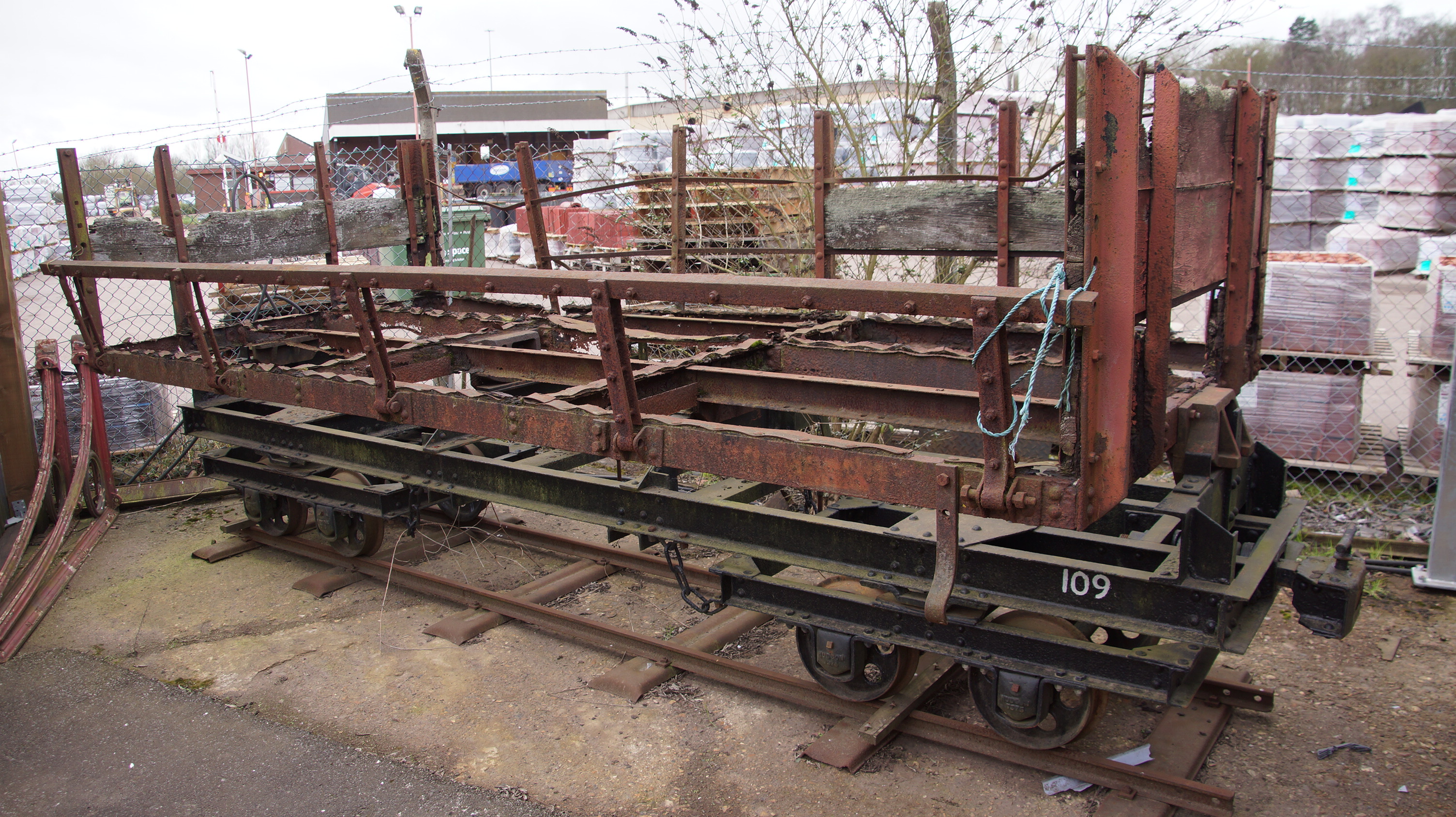
The First World War transformed the industry's fortunes: when Belgium's foundry sand supplies were cut off, and ammunition factories urgently needed sand of their own, Leighton Buzzard's deposits proved ideally suited, and production increased sharply. New wartime restrictions then barred quarry companies from moving sand by road at all, prompting construction of a dedicated narrow-gauge industrial railway, which opened on 20 November 1919, linking the quarries — including Double Arches, Joseph Arnold's and George Garside's workings — to the main line at Grovebury sidings. Traffic peaked in the late 1940s and early 1950s, with up to twenty trainloads of sand dispatched daily. Sand haulage returned to the roads after the Second World War, and by the mid-1960s only Arnold's quarry still used the railway; the last sand train ran on the main line connection in 1969, though the quarries kept their own internal lines running until 1981. The railway itself survives today, run by volunteers as a heritage line.
Geology
Worked the Lower Cretaceous Leighton Buzzard Sand Formation, an unusually pure silica sand deposit that made the district's output valuable for glassmaking, foundry work and as a reference standard for testing building materials.
Workings
Worked as open quarries — Double Arches, Joseph Arnold's and George Garside's among them — connected from 1919 by a dedicated 2ft-gauge industrial railway running just under 3 miles to Grovebury sidings on the main line.
Closure
Sand haulage returned to road transport after the Second World War; only Arnold's quarry still used the light railway by the mid-1960s, the last sand train on the main line connection running in 1969, and internal quarry lines continuing until 1981.
What remains
Sand quarrying continues in the district; the former industrial railway survives as the Leighton Buzzard Light Railway, a volunteer-run heritage line operating over part of its original route.
The narrow-gauge railway infrastructure built to serve the quarries survives and operates as a heritage line.
Nearby mines
- Double Arches Pit — 1.7 miles (2.7 km) N
- Totternhoe Stone Mines — 2.9 miles (4.7 km) SE
- Pitstone Chalk Quarry and Cement Works — 6.8 miles (10.9 km) S, Buckinghamshire
- Kensworth Chalk Pit — 7.4 miles (11.8 km) SE
Straight-line distance, within 9 miles (15 km). Show on the map.
Recorded claims
Individual factual claims, each attached to the source(s) that support it below. Where sources disagree, both are kept.
- Leighton Buzzard's exceptionally pure sand was used to glaze the Crystal Palace in 1851 and became a standard reference for testing building materials such as cement. 1
- When Belgian foundry sand supplies were cut off in the First World War, Leighton Buzzard's deposits met the sudden demand; new restrictions on road haulage led to the industrial railway opening on 20 November 1919, linking quarries including Double Arches, Arnold's and Garside's to the main line. 1,2
- Rail traffic peaked in the late 1940s and early 1950s at up to twenty trainloads a day; sand haulage returned to the roads after the Second World War, and the last sand train ran on the main line connection in 1969, with internal quarry lines continuing to 1981. 2
Sources
- (secondary) History — Leighton Buzzard Railway
- (secondary) Leighton Buzzard Light Railway — Wikipedia
Record created: 27 August 2026 · Last researched: 27 August 2026