 MineArchive
Kings Dyke and Must Farm Clay Pits
| Also known as | Central No. 1 Pit, Whittlesey Brick Pits |
|---|---|
| Location | Whittlesey, near Peterborough, Cambridgeshire — 52.5599, -0.1717 (approximate) |
| Commodity | Brick Clay |
| Type | Mineral |
| Worked | 1920s–1995 |
| Operators | London Brick Company (1920–1969) |
Overview
A Jurassic clay bed so naturally oily that it helps fire its own bricks, dug from an ever-shifting line of pits around Whittlesey that once fed the largest brickmaking industry in the world — and that, entirely by accident, has also given up one of the best-preserved Bronze Age settlements ever found in Britain.
History
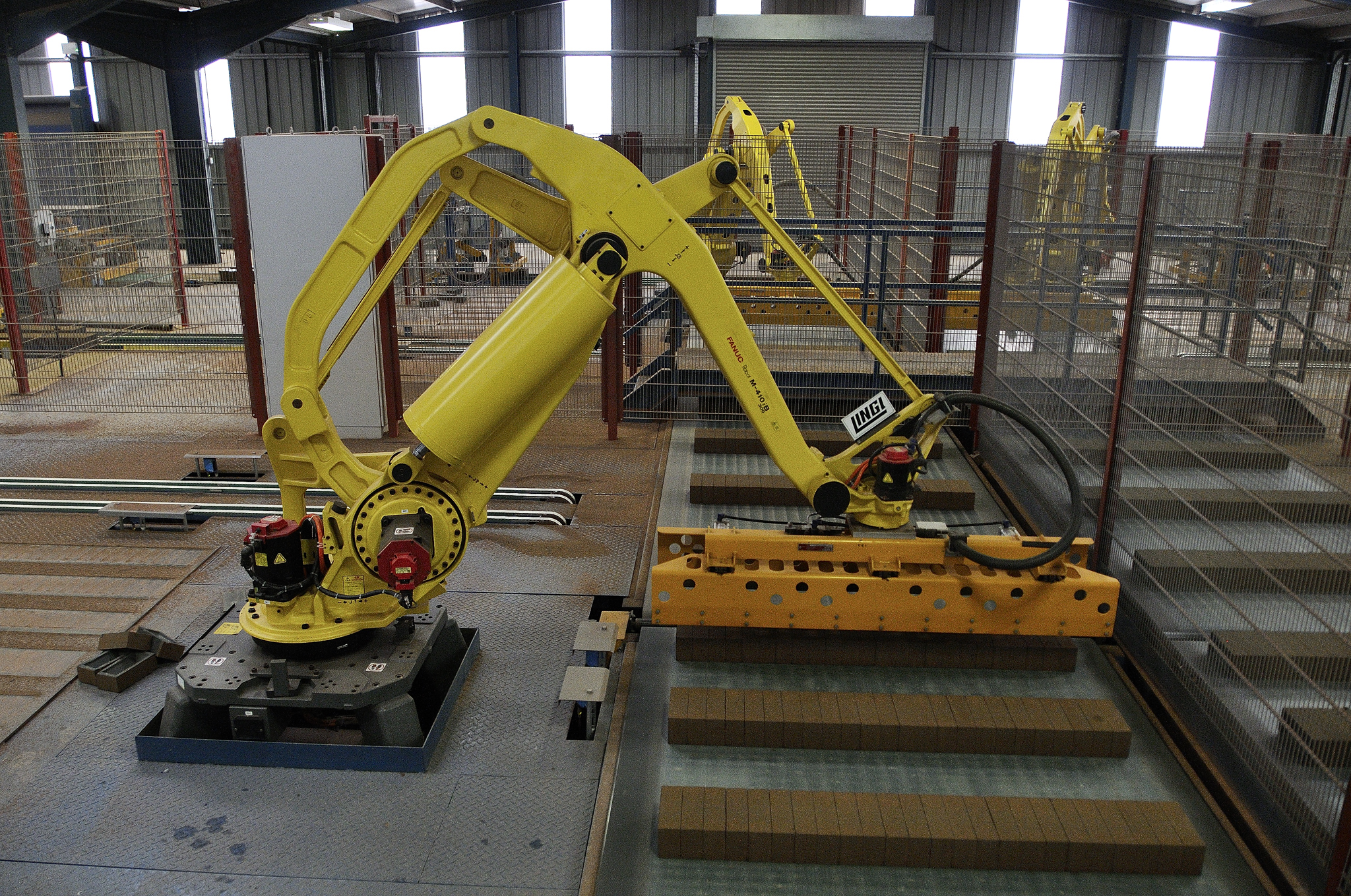
Brickmaking around Peterborough and Whittlesey began at the end of the 19th century, drawing on a band of clay running in a belt from Yorkshire down through Peterborough to Oxford. What made the district exceptional was the particular bed worked here, the Lower Oxford Clay, which — uniquely among British brick clays in this quantity — contains enough of its own carbonaceous, oil-bearing material to help fire itself once lit in the kiln, sharply cutting the fuel needed to bake each brick and making Peterborough clay unusually cheap to work at scale. The London Brick Company built its business on that advantage, and the resulting 'Fletton' brick became the standard building material across southern England for most of the 20th century, supplying much of London's own rebuilding. Extraction at what became the Kings Dyke pit, known originally as Central No. 1 pit, began in the 1920s: at first entirely by hand, with men digging from ladders using picks and shovels, the clay loaded into buckets on an aerial ropeway that carried it from the pit floor to the top edge, and from there by tramway into the Central Brickworks. Extraction later mechanised with a travelling shale planer that scraped clay directly off the pit face, leaving the sheer, near-vertical cliffs that still characterise the old workings. As Kings Dyke itself was worked out, clay extraction moved on to a new source pit at Must Farm, which continues to supply the modern Kings Dyke brickworks, operated by Hanson, a short distance away — itself opened by the London Brick Company on 24 June 1969 and still producing bricks today. Kings Dyke pit was retired from clay extraction and, in 1995, given over to development as a nature reserve.
Geology
The clay worked here is the Lower Oxford Clay, a dark, fossil-rich Jurassic mudstone forming part of a belt that runs from Yorkshire through Peterborough to Dorset. Unlike most brick clays, it contains a genuinely useful proportion of preserved organic, oil-bearing material — the same broad kind of source rock that elsewhere in Britain has been retorted for shale oil — which burns alongside the clay in the kiln rather than needing to be supplied entirely as separate fuel.
Geological setting: Sedimentary Beds and Seams (well documented example)
Workings
Early working was entirely manual, clay dug by hand from ladders and lifted out by an aerial ropeway to a tramway serving the Central Brickworks. Mechanisation introduced a travelling shale planer that scraped clay directly from the working face, producing the sheer cliff-like pit walls typical of the district; extraction has since moved between successive source pits — Kings Dyke, then Must Farm — as each in turn is worked out, keeping a continuous supply running to the brickworks itself.
Closure
Kings Dyke pit itself was retired from active clay extraction and set aside for nature conservation in 1995; extraction in the district continues at Must Farm, feeding the still-operating Kings Dyke brickworks.
What remains
The former Kings Dyke pit is now Kings Dyke Nature Reserve, its flooded former workings and sheer clay cliffs valued as a Local Wildlife Site and Local Geological Site; the wider Whittlesey Brick Pits comprise a mix of active, disused and restored clay and sand-and-gravel workings. The modern Kings Dyke brickworks nearby, run by Hanson, continues in production, and the neighbouring Must Farm site is separately notable as the location of an exceptionally well-preserved Late Bronze Age settlement discovered during ongoing quarrying.
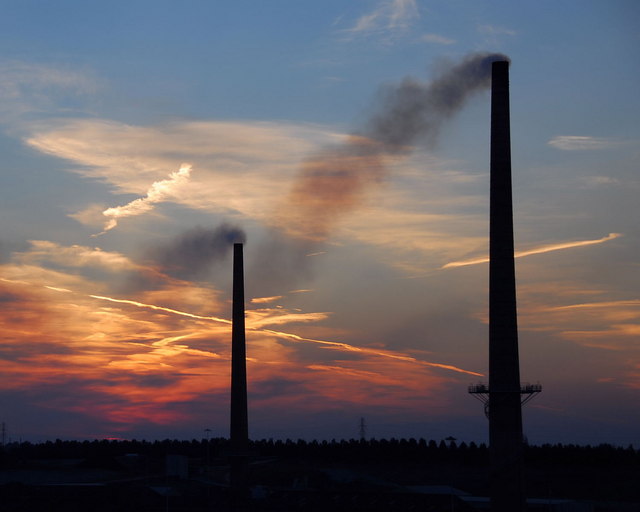
The flooded former Kings Dyke pit and its sheer clay cliffs, now a nature reserve; the active Must Farm source pit and Kings Dyke brickworks nearby.
Redevelopment
Kings Dyke pit itself has been developed as a nature reserve since 1995; extraction and brickmaking continue elsewhere in the district.
Recorded claims
Individual factual claims, each attached to the source(s) that support it below. Where sources disagree, both are kept.
- The clay worked here is the Lower Oxford Clay, a Jurassic mudstone containing enough of its own oil-bearing material to help fire itself in the kiln, cutting the fuel needed compared with ordinary brick clay. 1,2
- Brickmaking around Whittlesey and Peterborough began at the end of the 19th century; extraction at what became the Kings Dyke pit, originally Central No. 1 pit, began in the 1920s. 1
- Early extraction was entirely manual, with clay lifted out by aerial ropeway and moved by tramway to the Central Brickworks, before mechanisation introduced a shale planer that produced the pit's characteristic sheer cliffs. 1
- The modern Kings Dyke brickworks opened on 24 June 1969, producing 1.25 million bricks a week at the outset and continuing in production today. 3
- Kings Dyke pit itself was retired from clay extraction and developed as a nature reserve from 1995, with extraction continuing at the nearby Must Farm source. 1
Photographs & further reading
The modern operator's own heritage account.
View sourceSources
- (primary) Background — Kings Dyke Nature Reserve — Kings Dyke Nature Reserve
- (secondary) Kings Dyke Brickworks, Fenland, Cambridgeshire — Mindat
- (secondary) Whittlesey brickworks built on heritage celebrates 50 years of production — Peterborough Telegraph
Record created: 25 August 2026 · Last researched: 25 August 2026