 MineArchive
Kildonan Gold Rush
| Also known as | Baile an Or |
|---|---|
| Location | Strath of Kildonan, Highland — 58.1367, -3.8442 (approximate) |
| Commodity | Gold |
| Type | Metal |
| Worked | 1869–1870 (formal ban on prospecting) |
Overview
Scotland's own gold rush: a remote Sutherland strath that drew some 600 prospectors within months of a single systematic gold survey, and was shut down within a year by the landowner who found it wasn't worth the disruption.
History
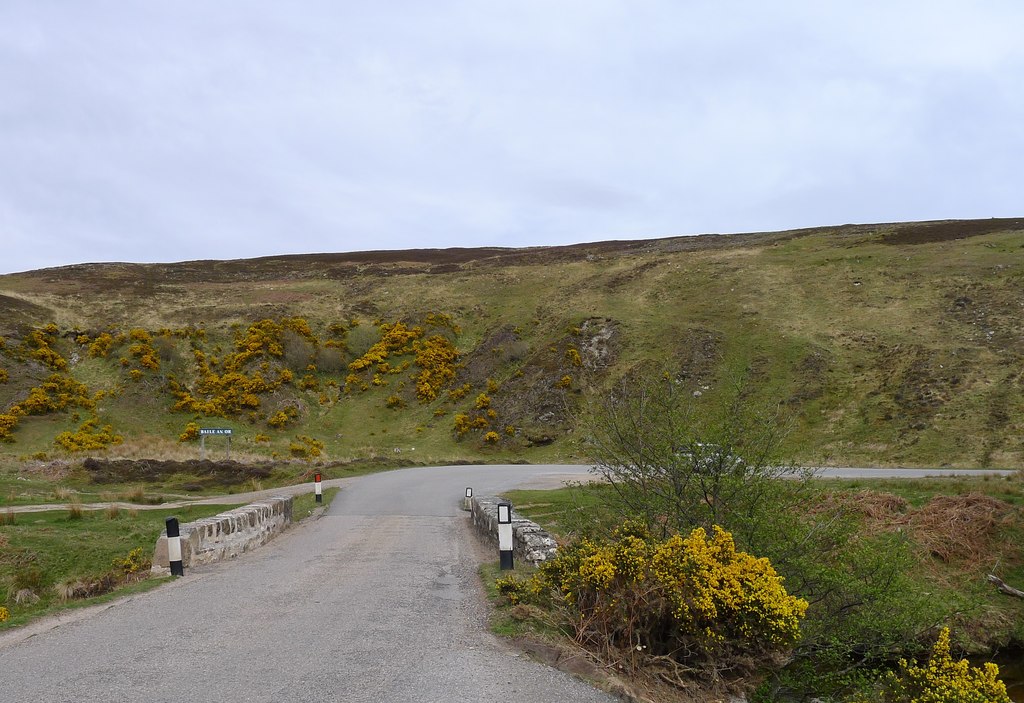
Small amounts of alluvial gold had long been known in the Strath of Kildonan — a nugget large enough for a ring was found near the Suisgill and Kildonan burns as early as 1818 — but no organised search followed until Robert Nelson Gilchrist, a Kildonan native who had spent 17 years in the Australian goldfields, returned home and, with the Duke of Sutherland's permission, began systematically panning the Helmsdale River and its tributaries. News of his results broke in late 1868, and a full-scale gold rush began in January 1869: by that spring around 600 prospectors had made their way to the strath, and two makeshift settlements grew up, Baile an Or ('town of gold') on the Kildonan Burn and Carn na Buth ('hill of huts') near the Suisgill Burn. The rush proved short-lived. Conflict grew between the prospectors and existing land uses — shooting, fishing and sheep grazing — on the Duke of Sutherland's estate, and once it became clear he stood to lose more from disrupted rents than he gained from prospecting income, the Duke ordered all gold exploration on his land to stop from 1 January 1870, effectively ending the rush after barely a year.
Geology
Gold weathers out of the altered Strath Halladale Granite and is concentrated by the rivers in their gravels, re-sorted afresh each winter; the ultimate source is thought to be granite and quartz veins cutting the surrounding Moine metasedimentary rocks.
Geological setting: Placer Deposits (well documented example)
Workings
Prospectors panned the burns and river gravels by hand, in the same simple alluvial method used in any gold rush of the period, without any organised shaft or adit mining.
Closure
The Duke of Sutherland banned further gold prospecting on his estate from 1 January 1870, judging the disruption to shooting, fishing and grazing income not worth what prospectors were paying to search.
What remains
Baile an Or survives much as it was left once the prospectors' huts were cleared, now marked with an information board. The burn is still panned: Suisgill Estate, which owns the ground, sells day permits in Helmsdale for the stretch between the stone bridge at Baile an Or and Kildonan Falls, closed each year from 1 October to 15 April while the salmon and trout spawn.
Little survives beyond the site itself and its interpretive signage; the settlements of huts were dismantled after the rush ended.
Related mines
- Brora Colliery — Both worked ground belonging to the Dukes of Sutherland, and the same proprietorial hand shows in each: the Duke sank Brora's Ross Pit in 1811, and it was the Duke who first gave Robert Gilchrist permission to prospect here and then, on 1 January 1870, ordered all gold exploration on his land to stop.
Nearby mines
- Brora Colliery — 8.7 miles (14.0 km) S
Straight-line distance, within 9 miles (15 km). Show on the map.
Recorded claims
Individual factual claims, each attached to the source(s) that support it below. Where sources disagree, both are kept.
- Robert Nelson Gilchrist, a Kildonan native who had spent 17 years prospecting in Australia, began a systematic search of the Helmsdale River and its tributaries with the Duke of Sutherland's permission; news of his results in late 1868 triggered the rush. 1,2
- By spring 1869 around 600 prospectors had arrived in the Strath of Kildonan, building the settlements of Baile an Or and Carn na Buth. 1
- The Duke of Sutherland ordered all gold prospecting on his land to cease from 1 January 1870, having judged the disruption to shooting, fishing and grazing income not worth the returns from prospectors. 1,3
- Gold panning continues today under permit on the Suisgill Estate during a restricted season, drawing on the same gravels worked during the 1869 rush. 4
- The ground is still panned. Suisgill Estate, which owns it, sells day permits from Glencoast in Helmsdale: from April 2025 fifteen pounds for an adult, ten pounds for sixteen to eighteen year olds and free for under sixteens, both of the younger classes having to be with a permit-holding adult. Panning is allowed only between the stone road bridge at Baile an Or and Kildonan Falls, and only between eight in the morning and ten at night or dusk if that is earlier. 5
- A panner may use a pan, a hand sieve, a hand trowel, a small spade and a gravel pump of no more than a two and a half inch barrel. Sluices, set sieves and any unapproved equipment are forbidden, as is competitive or commercial panning. No one may pan for more than two weeks in a year, taken in no more than two separate periods, and panning is strictly forbidden between 1 October and 15 April. What the permit money makes beyond administration goes to the upkeep of Kildonan Church. 5
Photographs & further reading
The estate's own conditions for panning the ground of the 1869 rush: where, when, with what, the permit charges and the closed season that protects spawning fish.
View sourceThe rush from Robert Gilchrist's 1868 prospecting to the Duke of Sutherland's ban of 1 January 1870, with the huts at Baile an Or and Carn na Buth.
View sourceThe site of the 'town of gold' as it is today, on the Kildonan Burn above Helmsdale.
View sourceA field excursion to the gold-bearing gravels, explaining where the metal comes from and how the burns concentrate it.
View sourcePractical guide to the modern, permitted gold panning season on the same ground as the 1869 rush.
View sourceSources
- (secondary) Kildonan Gold Rush — Wikipedia
- (secondary) Baile an Or — Undiscovered Scotland
- (secondary) The Scottish Gold Rush History — Helmsdale.org
- (secondary) Excursion 6: Kildonan gold — Scottish Geology Trust
- (primary) Gold Panning Rules — Suisgill Estate
Record created: 21 August 2026 · Last researched: 10 September 2026