 MineArchive
Houghall Colliery
| Location | Houghall, about 1½ miles south-south-east of Durham city, west of the River Wear opposite Shincliffe, County Durham — 54.7591, -1.5641 (approximate) |
|---|---|
| Commodity | Coal |
| Type | Coal |
| Worked | 1841–1884 |
| Maximum depth | Unknown. |
| Operators | Elvet Coal Company (1841–?), Joseph Love & Partners (?–1884) |
Overview
A Hutton-seam colliery on the Houghall estate, a mile and a half south of Durham, sunk by the Elvet Coal Company in 1841 and worked from the 1860s by Joseph Love and Partners together with Shincliffe Colliery. It ceased work in 1884; its pit village became an aged miners' colony and was demolished in the 1950s.
History
Boring on the Houghall estate, south of Durham, began in 1840, and in 1841 the Elvet Coal Company put a sinking down from the surface to the Hutton seam. Houghall began shipping coal in 1842, by the Durham and Sunderland Railway, which had been carried on from Shincliffe across the Wear to the pit; an old waggonway ran on west to Croxdale Colliery. For its first twenty years the pitmen lived across the river on the western edge of Shincliffe village, in the Houghall Houses. Soon after 1860 a village of about 62 houses in three streets, Cross Street, Garden Street and John Street, was built beside the pit, with a school and a chapel.
By the 1860s the colliery belonged to Joseph H. Love and Partners, who also owned neighbouring Shincliffe Colliery, and the Hutton seam was worked from the two together. Houghall employed 197 people in 1883. Seventeen deaths are recorded at the pit between 1846 and 1884, most from falls of stone. James Cresswell, a banksman, was thrown when a winding rope slipped through its clamps in 1856, and his son Thomas, a 13-year-old driver, was run over by waggons in 1865; both lie in Shincliffe churchyard, as does the blacksmith William Tindle, crushed by a set of tubs in 1872, whose stone was raised by 112 subscribers. In 1877 a deputy was burnt by gas when he took a candle into a place surrounded by goaf, and a putter fell from a cage overloaded with boys. Boreholes sunk below the Hutton in 1880 proved the lower coals worthless here. The colliery ceased work in 1884, and the Shincliffe and Houghall plans of the Hutton and Low Main were abandoned on 25 May 1886.
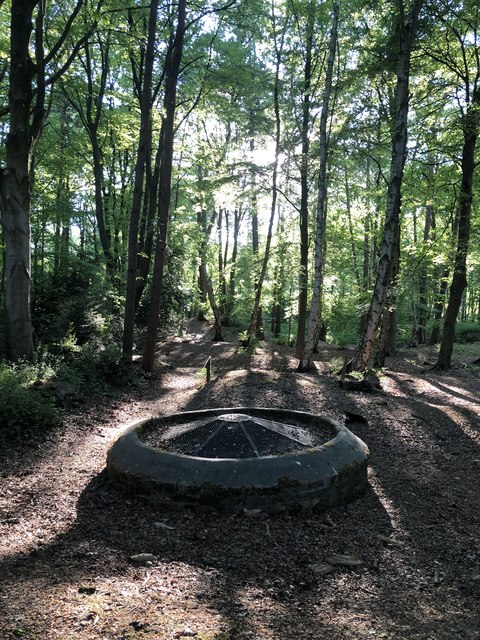
The village outlived the pit. Its men went to work at other collieries, the school became an isolation hospital in 1893, and the houses became an aged miners' colony, with 56 people living there in 1932. John Street had been demolished by about 1930, and the rest of the village was abandoned in 1955 and pulled down. The site of the village, colliery and pit heaps is now woodland beside East Durham College's Houghall campus, where a capped shaft remains and a nature walk follows part of the old waggonway.
Geology
Durham coalfield: the Hutton seam, with the Low Main; borings below the Hutton in 1880 found the lower coals worthless.
Workings
A sinking to the Hutton seam (1841), worked from the 1860s together with Shincliffe Colliery's Hutton workings.
Closure
Ceased work in 1884; the Shincliffe and Houghall Hutton and Low Main plans are dated 25 May 1886.
What remains
The colliery and village site is woodland with a nature walk along part of the old waggonway; a capped shaft remains.
A capped shaft, and the line of the old waggonway.
Redevelopment
Woodland and a nature walk beside East Durham College's Houghall campus.
Related mines
- Shincliffe Colliery — Joseph Love and Partners' collieries, whose Hutton seam was worked together.
Nearby mines
- Shincliffe Colliery — 1.0 miles (1.7 km) E
- Littleburn Colliery — 1.8 miles (2.8 km) W
- Bowburn Colliery — 2.2 miles (3.6 km) SE
- Brandon Colliery — 2.2 miles (3.6 km) W
- Croxdale Colliery — 2.3 miles (3.7 km) SW
Straight-line distance, within 9 miles (15 km). Show on the map.
Recorded claims
Individual factual claims, each attached to the source(s) that support it below. Where sources disagree, both are kept.
- The Elvet Coal Company sank Houghall to the Hutton seam in 1841, after boring began in 1840; first coal was shipped in 1842. 1,2,3
- Joseph H. Love and Partners owned Houghall in the 1860s. 1,3
- The Hutton seam was worked from Shincliffe and Houghall together. 4,5
- Soon after 1860 about 62 houses were built at Houghall in Cross Street, Garden Street and John Street, with a school and chapel. 3
- Houghall employed 197 people in 1883. 1
- Seventeen men and boys are recorded killed at Houghall Colliery. 1,2
- Boreholes below the Hutton seam in 1880 proved the lower coals worthless. 1,2
- Houghall Colliery ceased working in 1884. 3
- The Shincliffe and Houghall Hutton and Low Main workings were abandoned on 25 May 1886. 4,2,6
- The village was abandoned in 1955 and demolished; 56 people lived there in 1932. 3,7
Photographs & further reading
Owners, notes and the names of those killed, with abandonment plans and managers.
View sourceDates, the 1857 map, the fatalities and the miners' graves at Shincliffe.
View sourceThe colliery, its village, the isolation hospital and the aged miners' colony.
View sourceSources
- (primary) Houghall Colliery — Durham Mining Museum
- (secondary) Houghall Colliery — Shincliffe Local History Society
- (secondary) The History of East Durham College's Houghall Campus — East Durham College
- (primary) BGS mine plan: Shincliffe and Houghall, Hutton, abandoned 1886 — BGS / Mining Remediation Authority mine plans
- (secondary) A Short History of Coal Mining in Shincliffe (Don Wilcock, 1994) — Shincliffe Local History Society
- (primary) Houghall Colliery - Abandoned Mines — Durham Mining Museum
- (secondary) Houghall — Wikipedia
Record created: 4 October 2026 · Last researched: 5 October 2026