 MineArchive
Delabole Slate Quarry
| Also known as | Old Delabole Slate Quarry, Pengelly Quarry |
|---|---|
| Location | Delabole, near Camelford, Cornwall — 50.6220, -4.7242 (approximate) |
| Commodity | Slate |
| Type | Slate |
| Worked | from From mid-1200s |
| Maximum depth | The pit is about 425 feet deep and a mile and a half in circumference |
| Operators | Old Delabole Slate Company (1841–1999), Delabole Slate (1999–?) |
Overview
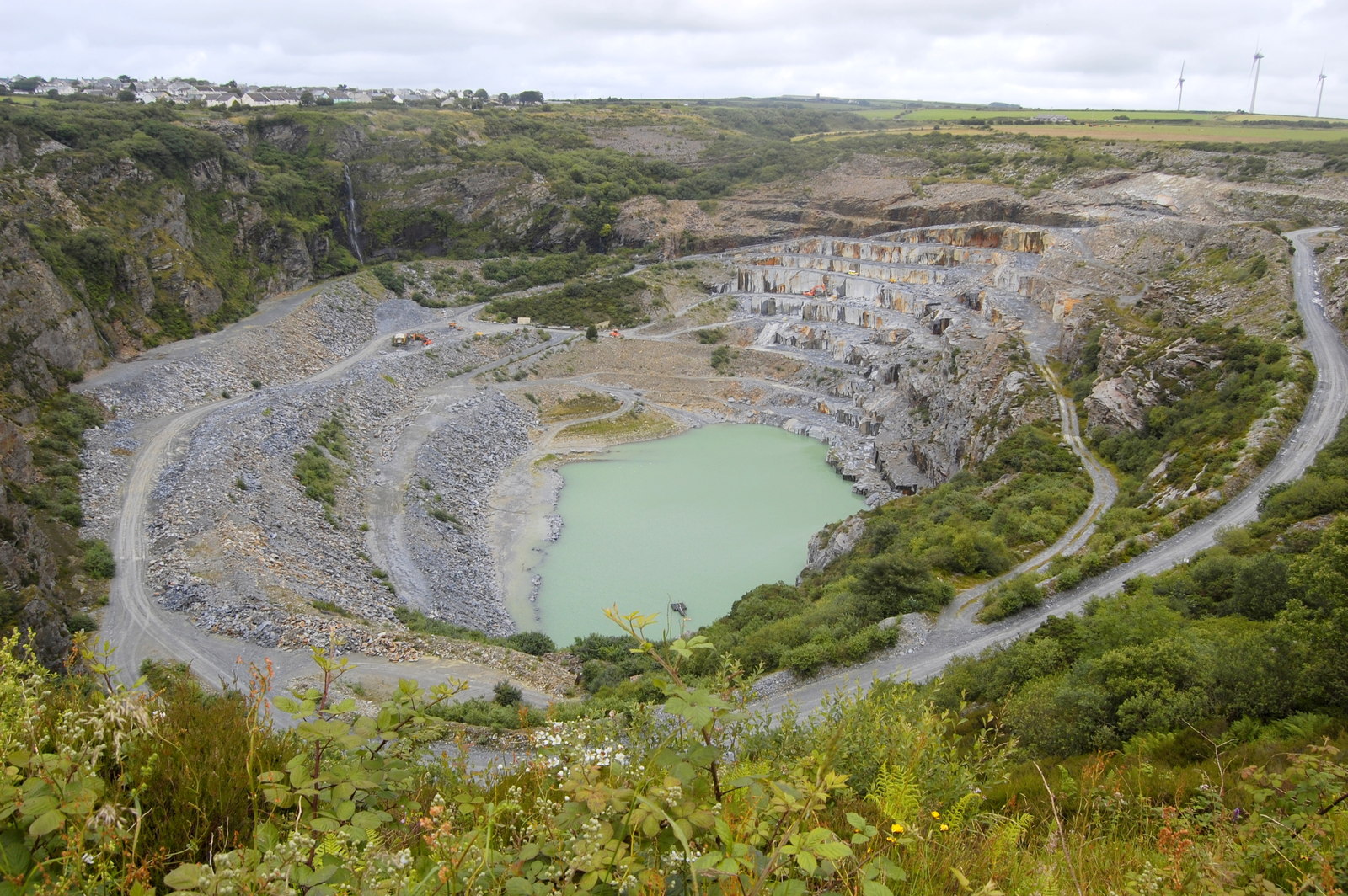
A hole a mile and a half round and 425 feet deep, worked continuously for something like seven hundred years — the oldest working slate quarry in England, and once claimed as the deepest man-made pit in the world.
History
Slate has been taken at Delabole from at least the mid-1200s, and probably much longer: Roman villas were roofed with slate of this kind, and the manor of Deliou appears in Domesday in 1086, becoming Delyou Bol by 1284. Richard Carew's Survey of Cornwall of 1602 already praised the stone as being 'in substance thin, in colour fair, in lasting long'. By the reign of Elizabeth I five separate quarries were working the same ground and sending slate to Brittany and the Netherlands. Those five were amalgamated in 1841 as the Old Delabole Slate Company, which gradually secured the freehold rights to the whole pit, and by the middle of the century the quarry employed over a thousand people and raised around 120 tonnes a day. A management buyout returned it to local control in 1999 and the Hamilton family acquired it in 2005; it is still working.
Geology
Delabole works the Devonian slates of north Cornwall, cleaved by the earth movements that raised the Cornubian massif. The stone is grey to blue-grey and unusually consistent, which is what allowed a single pit to be worked continuously for centuries rather than chasing a good bed from one hole to the next. Because the workable rock is a single very large body, the quarry grew by deepening and widening one enormous pit instead of opening new ones — the reason it ended up with the dimensions it has.
Geological setting: Slate and Regional Metamorphism (well documented example)
Workings
One vast open pit, about 425 feet deep and a mile and a half in circumference, formed by the merging of the five earlier quarries. Getting the product away was historically the hardest part: loading a 60-ton ship at Port Gaverne is recorded as taking 30 wagons and over a hundred horses, until railways reached the district in the later 19th century. Modern working uses diamond wire saws.
Closure
Delabole has never closed. Its claim to be the oldest continuously worked slate quarry in England — and by some accounts in the world — rests on that continuity.
What remains
A working quarry, with a visitor and showroom operation alongside. The pit can be viewed from a public viewing area.
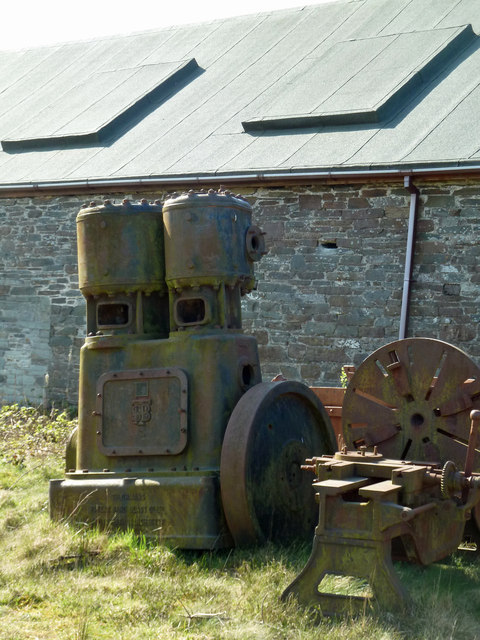
The pit itself, the quarry buildings and plant, and the village of Delabole, which exists because of it.
Redevelopment
None — still in production after seven centuries.
Nearby mines
- Prince of Wales Quarry, Trebarwith — 1.5 miles (2.4 km) N
- Dria Quarry — 1.8 miles (3.0 km) NW
- Bowithick Quarry — 2.3 miles (3.7 km) NW
- Lanterdan Quarry — 2.3 miles (3.8 km) NW
- Tintagel Slate Quarries — 2.5 miles (4.0 km) NW
Straight-line distance, within 9 miles (15 km). Show on the map.
Disasters & major incidents
-
Delabole Slate Quarry fall, 1869
21 April 1869 · Collapse / Roof Fall · 15 fatalities
On the evening of 21 April 1869 the 250-foot face of the Landwork quarry at Delabole slate quarry, Cornwall, fell into the pit with the poppet head on top of it, killing fifteen or sixteen people, among them a grandfather and his two small grandsons.
Recorded claims
Individual factual claims, each attached to the source(s) that support it below. Where sources disagree, both are kept.
- Slate has been quarried at Delabole from at least the mid-1200s; the name is first recorded as Delyou Bol in 1284, the manor of Deliou appearing in Domesday in 1086. 1
- Richard Carew's Survey of Cornwall of 1602 described the slate as 'in substance thin, in colour fair, in lasting long'. 1
- By the reign of Elizabeth I five quarries were working the site and exporting slate to Brittany and the Netherlands. 1
- The five quarries were amalgamated in 1841 as the Old Delabole Slate Company, which secured the freehold rights to the pit. 1
- By the mid-19th century the quarry employed over 1,000 people and produced around 120 tonnes a day. 1
- Loading a 60-ton ship at Port Gaverne is recorded as requiring 30 wagons and over 100 horses, until railways reached the district later in the 19th century. 1
- The pit is about 425 feet deep and a mile and a half in circumference, and was once claimed to be the deepest man-made pit in the world. 2
- Delabole is the oldest continuously worked slate quarry in England and is still in production, using diamond wire saws. 1,2
Sources
- (primary) History — Delabole Slate — Delabole Slate
- (secondary) Delabole Slate Quarry — Visit Cornwall
- (observational) Delabole Slate Quarry — AditNow
- (secondary) Delabole slate quarry — Bernard Deacon, Cornish studies resources
Record created: 24 August 2026 · Last researched: 24 August 2026