 MineArchive
Daren Colliery
| Also known as | New Graig Colliery, Graig Level |
|---|---|
| Location | Trebanos, between Clydach and Pontardawe, Swansea Valley, Neath Port Talbot — 51.7104, -3.8678 (approximate) |
| Commodity | Coal |
| Type | Coal |
| Worked | 1906–17 October 1964 |
| Maximum depth | Unknown. |
| Operators | Daren Colliery Company (1906–?), Graig Colliery Company (1916–1922), Llwyn Du Colliery Company Limited (1924–1925), New Graig Colliery Company (1929–1932), Daren Colliery Company (1932–1947), National Coal Board (1947–1964) |
Overview
A Swansea Valley level at Trebanos, opened by the Daren Colliery Company in 1906 to work the Hughes Vein. Four companies worked it in turn between the wars; under the National Coal Board it employed up to 179 men, and it closed on 17 October 1964.
History
Daren Colliery was a level at Trebanos, about a mile and a half east of Clydach Merthyr Colliery, between Clydach and Pontardawe. The Daren Colliery Company of Pontardawe opened it in 1906 to work the Hughes Vein. The Graig Colliery Company reopened it in 1916, and in 1918, listed as the Graig level, it employed 82 men producing house and manufacturing coal from the Hughes seam. Its Glyngwilym and Wenallt (or Hughes) seams were abandoned on 20 February 1922. The Llwyn Du Colliery Company reopened it in 1924 and abandoned it in 1925, and the New Graig Colliery Company worked the Hughes seam again from 1929, with up to 100 men in 1931, until production stopped in February 1932.
The Daren Colliery Company restarted it in 1932; its directors in 1936 were W. Craven Llewellyn and J. Llewellyn. By 1935 it employed 20 men on the surface and 65 underground, producing house, manufacturing and steam coals, some 30,000 tons a year, under the manager W. Rees. A coal preparation plant able to clean 250 tons a day was installed in 1939. In 1943-45, under E. Alexander, 107 men worked underground in the Hughes Vein and 47 on the surface.
On nationalisation in 1947 the National Coal Board placed it in the South Western Division's No. 1 (Swansea) Area, with 26 men on the surface and 123 underground; its coal was classed as semi-anthracite. Four levels were then working: the No. 1, No. 2 Lower and No. 3 Fan levels in the Hughes seam and the No. 4 in the Glyngwilym. Manpower reached 179 in 1950, and output ran between about 40,000 and 55,000 tons a year. In 1961 it was grouped with Clydach Merthyr, Felinfran and Graig Merthyr collieries. It worked by the stall system to the end and closed on 17 October 1964 with 109 men; the NUM lodge secretary at the closure was J. R. Davies.
Geology
The Hughes Vein (Hughes seam), with the Glyngwilym and Wenallt seams also worked. Its coal was classed as semi-anthracite.
Workings
A level with several drifts: in 1947 the No. 1, No. 2 Lower and No. 3 Fan levels worked the Hughes seam and the No. 4 the Glyngwilym. Coal was won by the stall system throughout, and washed at the colliery's own preparation plant from 1939.
Closure
Closed by the National Coal Board on 17 October 1964, still working by the stall system, with 109 men.
What remains
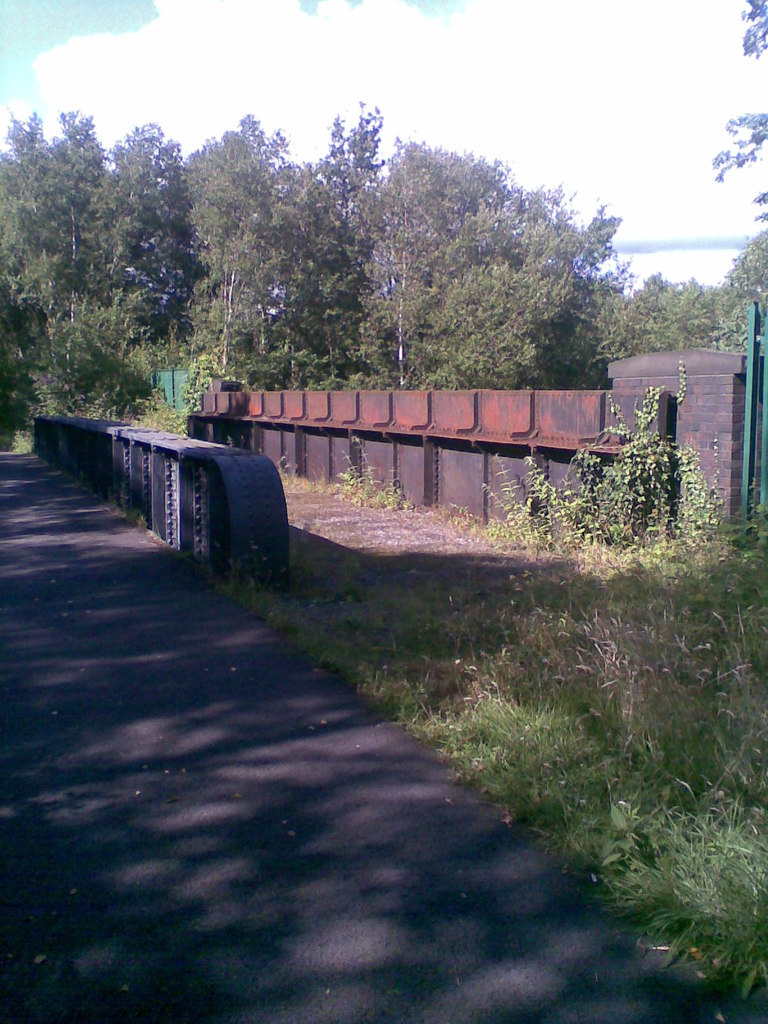
Unknown.
Redevelopment
Unknown.
Related mines
- Upper Graigola Colliery — Both worked by the Llwyn Du Colliery Company in the mid-1920s.
Nearby mines
- Goitre Colliery — 0.7 miles (1.2 km) SW
- Graigola Colliery — 0.8 miles (1.2 km) SE
- Tynywain Colliery — 0.7 miles (1.2 km) SW
- Upper Graigola Colliery — 0.8 miles (1.2 km) SE
- Cwmclydach Graigola Colliery — 0.9 miles (1.5 km) SW
Straight-line distance, within 9 miles (15 km). Show on the map.
Recorded claims
Individual factual claims, each attached to the source(s) that support it below. Where sources disagree, both are kept.
- The Daren Colliery Company of Pontardawe opened the level in 1906 to work the Hughes Vein. 1,2
- In 1918, as the Graig level, it employed 82 men producing house and manufacturing coal from the Hughes seam. 1
- A coal preparation plant able to clean 250 tons a day was installed in 1939. 1,2
- In 1947 it employed 26 men on the surface and 123 underground, and its coal was classed as semi-anthracite. 1,2
- It closed on 17 October 1964, working by the stall system to the end. 1,2,3
Photographs & further reading
The level's successive owners from 1906, the 1947 levels and seams, managers and yearly manpower and output to 1964, with photographs.
View sourceRay Lawrence's account of the colliery from 1906 to its closure in 1964, with manpower and output statistics.
View sourceSources
- (secondary) Welsh Coal Mines: Daren Colliery, Trebanos — Welsh Coal Mines
- (secondary) NMRS: Daren Colliery, Trebanos — Northern Mine Research Society
- (primary) BGS / Mining Remediation Authority mine plan: DAREN (Hughes) — British Geological Survey
Record created: 11 October 2026 · Last researched: 11 October 2026