 MineArchive
Cynon Colliery
| Location | Neath Port Talbot — 51.6350, -3.6790 (approximate) |
|---|---|
| Commodity | Coal |
| Type | Coal |
| Worked | By 1894–1947 |
| Operators | Cynon Colliery Company Limited (1894–1920), Imperial Navigation Coal Company Limited (1920–1935) |
Overview
A substantial anthracite/steam-coal pit at Cymmer, Afan Valley, that once employed over 600 men and had its own purpose-built garden village.
History
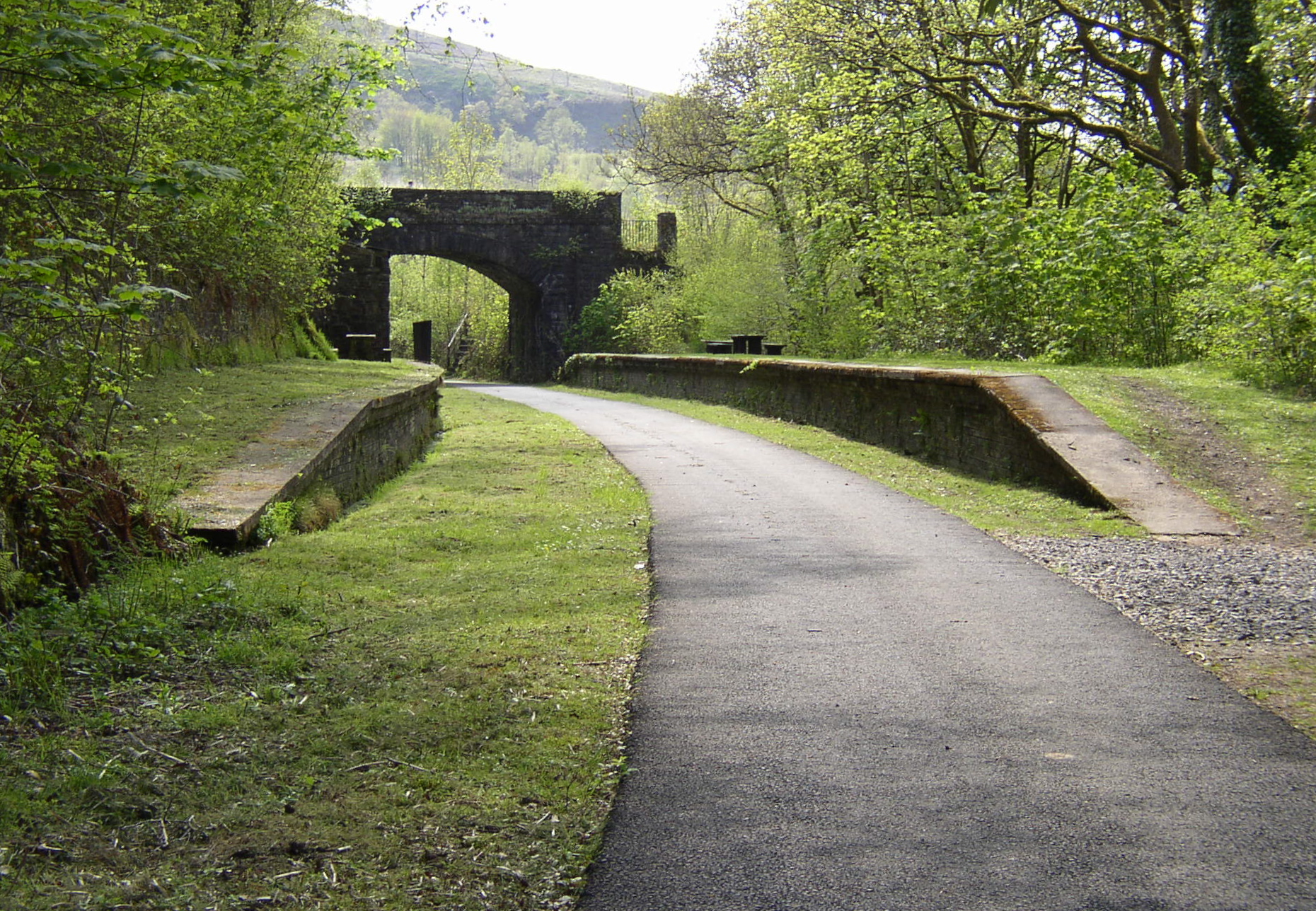
The colliery at Cymmer was owned by David Rees and Company of Port Talbot in the mid-1890s, employing around 30 men underground under manager David Rees, before passing to the Cynon Colliery Company Limited, which sank a 20-foot-diameter pit to the No.2 Rhondda seam at a depth of 200 yards. Manpower grew steadily from 34 men in 1896 to over 500 by 1909, working the Field Vein for house and manufacturing coal. Cynonville Garden Village was built in 1910 to attract and house labour for the colliery, though the outbreak of the First World War left the scheme only two streets complete. An eleven-month strike ended on 13 March 1914, when 500 men returned to work having lost £30,000 in wages between them and accepted terms similar to those originally offered. The Cynon Colliery Company's board — chaired by James Railton, with D.A. Thomas, W.G. Morris and J. Percy Jacob among the directors — had assets of £121,340 and made £38,974 in profits between 1907 and 1914. The company was merged into the Imperial Navigation Coal Company Limited, chaired by Henry Seymour Berry, in March 1920 "for purposes of management", and by 1923 the enlarged company's Cymmer properties employed 1,590 men across three pits. Cynon itself held around 500 men through the early 1920s under manager Thomas Redshaw, but had fallen to a maintenance-and-pumping basis of just 7 men by 1923/4. Imperial Navigation Coal Company was placed into liquidation in 1935, with Cynon recorded as its only remaining mine. A smaller Cynon Level continued working on a reduced scale into the 1940s, employing as few as 5 men by 1943 and closing in 1947 with 31 men, the year of nationalisation. It was reopened once more as a small mine under National Coal Board licence, worked by the Cynon Colliery Company, in the 1950s and 1960s.
Nearby mines
- Coegnant Colliery — 2.1 km SE, Bridgend
- Caerau Colliery — 2.6 km E, Bridgend
- Whitworth Colliery — 2.6 km W
- Cefn Parc Arlais Colliery — 2.7 km SW
- Gin Pit, Maesteg — 2.9 km S, Bridgend
Straight-line distance, within 15 km. Show on the map.
Recorded claims
Individual factual claims, each attached to the source(s) that support it below. Where sources disagree, both are kept.
- Owned by David Rees and Company from the mid-1890s, then by the Cynon Colliery Company Limited, which sank a 20-foot-diameter pit to the No.2 Rhondda seam at 200 yards depth; manpower grew from 34 men in 1896 to over 500 by 1909, and Cynonville Garden Village was built in 1910 to house its workforce. 1
- The Cynon Colliery Company was merged into the Imperial Navigation Coal Company Limited in March 1920 for "purposes of management"; Imperial Navigation was placed into liquidation in 1935 with Cynon recorded as its only remaining mine. 1
- Durham Mining Museum's independent company record of Imperial Navigation Coal Co., Ltd. (registered office 13 Station Road, Port Talbot; chairman and managing director Henry Seymour Berry) lists its 1923 properties at Cymmer as three pits — Duffryn Rhondda No.1, No.2 Colliery and No.2 Pit — employing 1,245 men underground and 345 on the surface between them, a scale consistent with, though not identically named to, Cynon's own recorded manpower in the same period. 1,2
Photographs & further reading
Northern Mine Research Society's dedicated page for Cynon Colliery, with fatalities and decades of manpower statistics.
View sourceDurham Mining Museum's independent 1923 company record for the firm that absorbed Cynon Colliery in 1920.
View sourceSources
- (primary) Cynon Colliery — Northern Mine Research Society
- (secondary) Imperial Navigation Coal Co., Ltd. — Durham Mining Museum
Record created: 15 September 2026 · Last researched: 15 September 2026