 MineArchive
Sheriff Hill Colliery Explosion, 1819
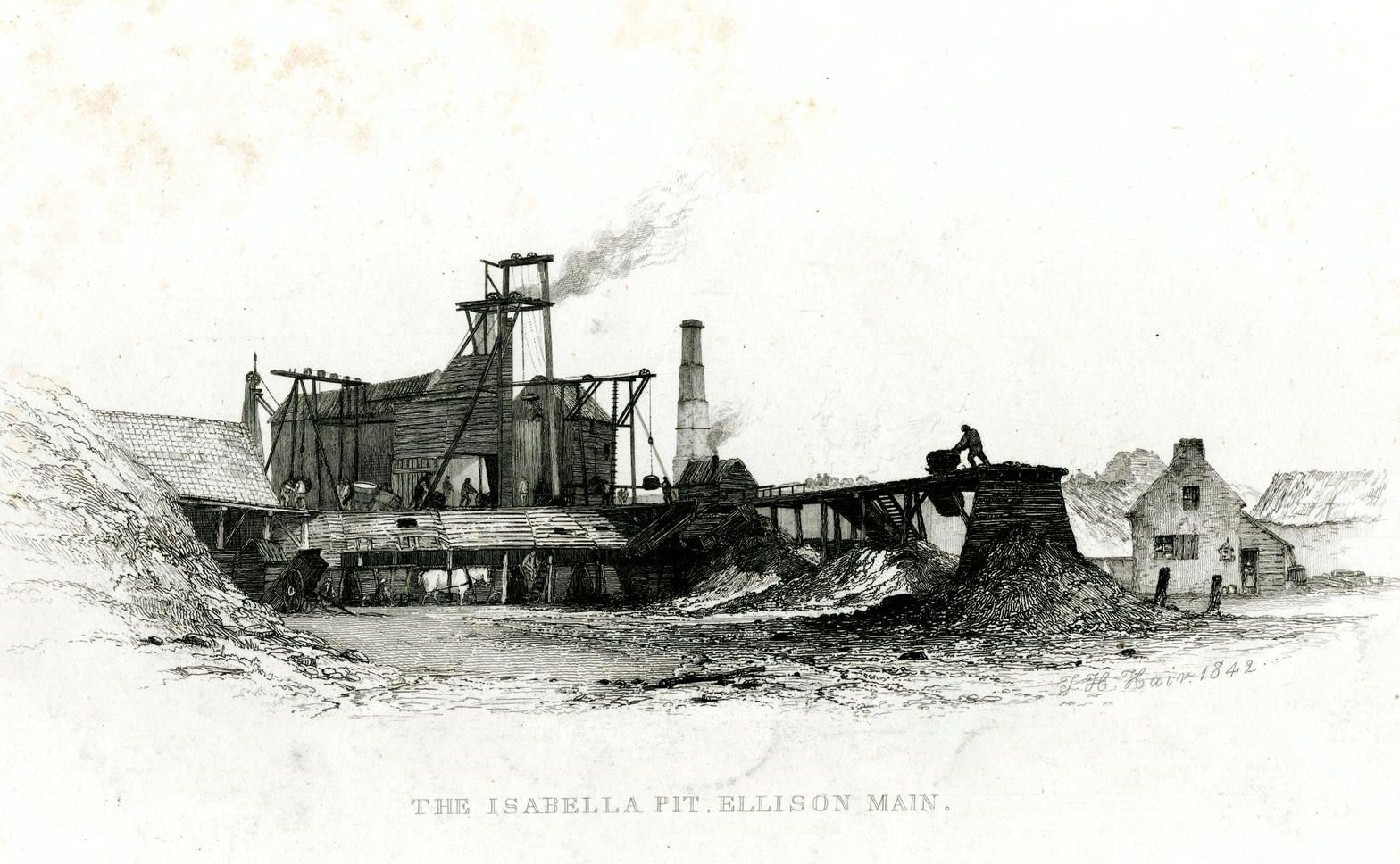
On the morning of Tuesday 19 July 1819, after the hewers had left and half an hour before the pit was to finish its day's work, firedamp exploded in Sheriff Hill Colliery on Gateshead Fell and killed two men and thirty-three boys. Had it come an hour later, it was said, a hundred would have died. Contemporary report blamed neglect or mismanagement of the safety lamps. Eighteen of the dead were buried in Gateshead churchyard and fourteen in the chapel yard; three were brothers from Whitehaven whose mother had only just persuaded the colliery to take them back on.
| Date | 19 July 1819 |
|---|---|
| Mine | Sheriff Hill Colliery |
| Region | Tyne and Wear |
| Type | Explosion |
| Fatalities | 35 (Two men and thirty-three boys; the Durham Mining Museum names the dead, among them children of seven and nine.) |
| Injuries | A few of the twenty or more men and boys in other parts of the mine were slightly injured by the concussion and afterdamp. |
| Context | During active mining |
Cause
An explosion of firedamp, attributed at the time to neglect or mismanagement regarding the safety lamps in the pit.
Contributing factors
The pit had exploded four years earlier, in June 1815, and was known to be gassy; the timing, after the hewers had gone, meant the dead were mostly the boys who worked the doors and the waggons.
What happened
The explosion came half an hour before the end of the day's work, when the hewers had already left the face and the boys and a few men were still in that part of the mine. Two men and thirty-three boys were killed. Upwards of twenty men and boys in other parts of the pit escaped, a few slightly hurt by the concussion and the afterdamp. Among the dead were three brothers named Armstrong, aged fourteen to eighteen, from Ayton Banks, and two Carr boys of seven and nine. A newspaper reported that three of the boys were from Whitehaven, brought to the pit by their mother, dismissed, and re-engaged at her appeal just in time to die with the rest.
Rescue & recovery
The bodies were brought out over the following days; eighteen were buried in Gateshead churchyard and fourteen in the chapel yard, several on 21 July at St Mary's, Heworth, and the remainder given to their families.
Investigation & inquiry
Nothing is recorded of an inquest verdict; the contemporary press attributed the disaster to neglect of the safety lamps.
Legal & regulatory aftermath
None found. Five years later two Sheriff Hill pitmen were sent to the House of Correction at Durham for removing the tops of their Davy lamps underground, the coal-owners having resolved to punish such acts with the utmost rigour.
Memorials & commemoration
Many of the victims are buried at St Mary's churchyard, Gateshead; no dedicated memorial is known.
Recorded claims
Individual factual claims, each attached to the source(s) that support it below. Where sources disagree, both are kept.
- Two men and thirty-three boys were killed. 1,2,3
- The explosion occurred after the hewers had left work and half an hour before the pit was to finish for the day; twenty or more in other parts of the mine escaped. 3
- Contemporary report attributed the explosion to neglect or mismanagement regarding the safety lamps. 1
- Eighteen of the dead were buried in Gateshead churchyard and fourteen in the chapel yard; the DMM records burials at St Mary's, Heworth, on 21 July. 1,3
- Three boys from Whitehaven, dismissed and then re-engaged at their mother's appeal, were among the dead. 1
Related terminology
Mining terms this disaster is structurally linked to, with the nature of the relationship.
- Afterdamp (hazard involved)
Men in other parts of the pit were affected by the concussion and afterdamp. - Colliery (contextual relationship)
Named twice in this record, first in the summary: “…pit was to finish its day's work, firedamp exploded in Sheriff Hill Colliery on Gateshead Fell and killed two men and thirty-three boys. Had it…” - Firedamp (direct cause)
An explosion of firedamp after the hewers had left the pit. - Hewer (contextual relationship)
Named 3 times in this record, first in the summary: “On the morning of Tuesday 19 July 1819, after the hewers had left and half an hour before the pit was to finish its day's…” - Safety Lamp (contributing factor)
Neglect or mismanagement of the safety lamps was blamed at the time.
Sources
- (secondary) Sheriff Hill Colliery — Wikipedia
- (primary) Tyne and Wear HER 3844: Sheriff Hill Colliery (Ellison Main) — Tyne and Wear Historic Environment Record (Sitelines)
- (primary) Colliery disaster, 19th July 1819, Sheriff Hill (with M. A. Richardson's Local Historian's Table Book account, 1844) — Durham Mining Museum
Record created: 9 September 2026 · Last researched: 9 September 2026