 MineArchive
Sheriff Hill Colliery explosion, 1815
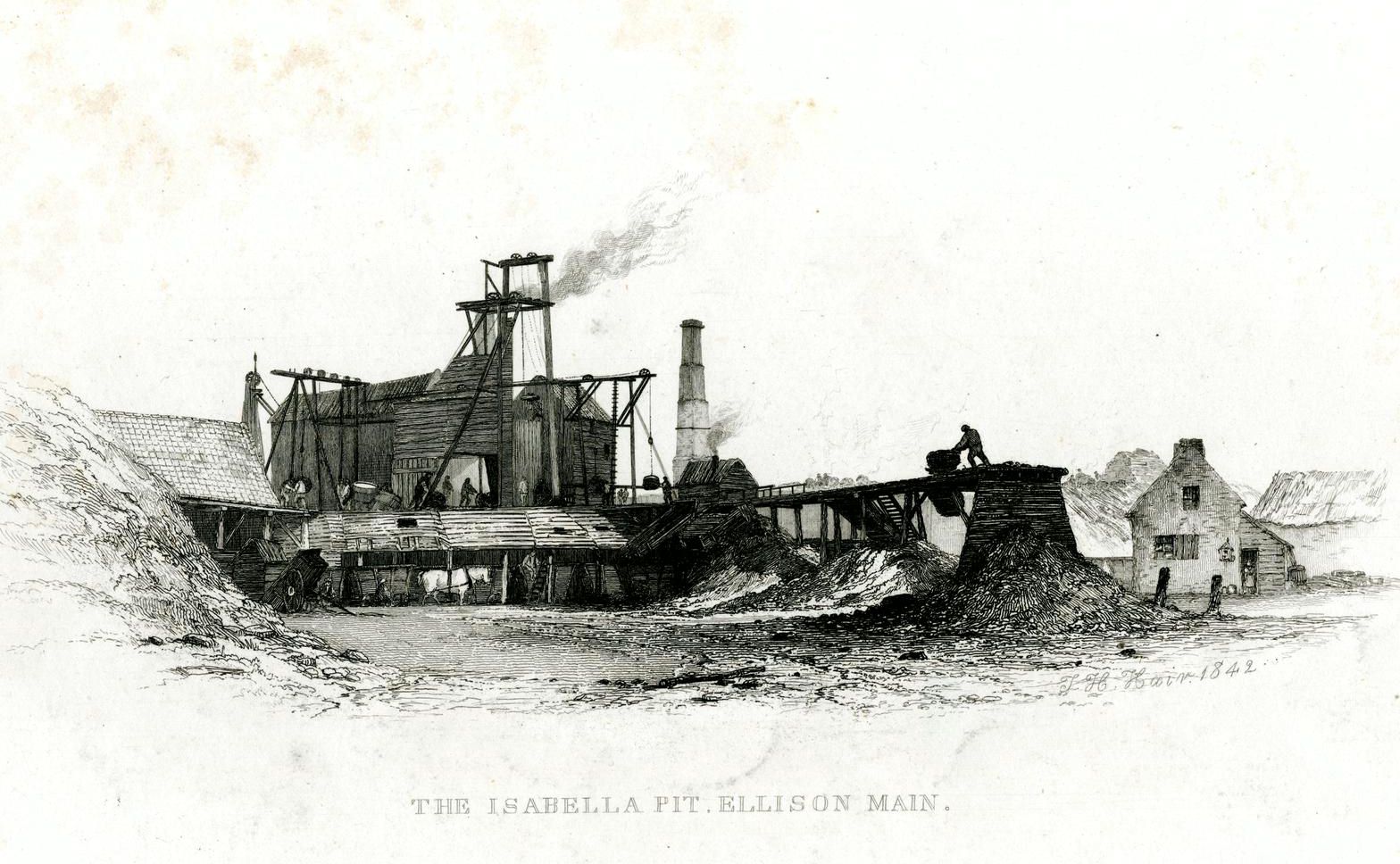
At four in the morning of 27 June 1815 Sheriff Hill Colliery near Gateshead fired while its viewer, William Foggett, and his brothers George and Robert were down the pit. The blast killed all three, and eight workmen died of the afterdamp, among them the overman Scott, a father and son named Wind and youths of seventeen and eighteen.
| Date | 27 June 1815 |
|---|---|
| Mine | Sheriff Hill Colliery |
| Region | Tyne and Wear |
| Type | Explosion |
| Fatalities | 11 (Named by the Durham Mining Museum: William Foggett, 60, viewer; George Foggett, 70; Robert Foggett, 45; Hugh Barker, 17; James Jamerson, 18; Scott, overman; George Wind, 20; William Wind, 50; James Young, 23. Two of the eleven are unnamed.) |
| Context | During active mining (Four in the morning at Sheriff Hill or Ellison Main Colliery on Gateshead Fell, with the viewer and his two brothers underground.) |
Location
Plotted at Sheriff Hill Colliery. Recorded location. The large pin is the mine; the small round markers are the nearest mines on record. Click one for its page. View on full map
Cause
An explosion of firedamp; the three Foggetts were killed by the blast and eight workmen suffocated by afterdamp. A heavy fall of roof had opened a way into old workings and let the gas into the mine.
What happened
The Local Historian's Table Book recorded that the colliery fired during the time the viewer and his two brothers were down, all of whom were killed by the blast, and eight of the workmen were suffocated by what is termed the after-damp.
The overman and workmen who went down that Tuesday morning found the mine in a dangerous state, came back up and sent for the viewer. William Foggett went down with his two brothers and other overmen and deputies, nine men and two boys in all, to find the cause. A heavy fall from the roof had opened into old workings and filled the mine with firedamp, and it exploded on them. One boy was found about twelve hours later, senseless but little hurt, and recovered. The Durham County Advertiser counted the dead differently: the viewer, his brother the underviewer, the overman Scott, four men and two boys, with the third brother suffocated after he went down in search of the other two.
Rescue & recovery
A boy was found about twelve hours after the explosion, senseless but little injured, and recovered.
What's uncertain
Points where sources disagree or the record could not be settled; both accounts are kept. All open questions in the archive.
- The third Foggett brother went down after the explosion in search of the others and was suffocated. (disputed) 6
Recorded claims
Individual factual claims, each attached to the source(s) that support it below. Where sources disagree, both are kept.
- An explosion on 27 June 1815 killed eleven. 1,2,3
- The colliery fired while the viewer William Foggett and his two brothers were down; all three were killed by the blast and eight workmen were suffocated by the afterdamp. 2,4
- A heavy fall from the roof had opened a communication with old workings and filled the mine with inflammable air, which exploded. 5
- One boy was brought up alive, found about twelve hours after the explosion, and was expected to recover. 6,5
- The third Foggett brother went down after the explosion in search of the others and was suffocated. (disputed) 6
Related terminology
Mining terms this disaster is structurally linked to, with the nature of the relationship.
- Afterdamp (hazard involved)
Eight workmen were suffocated by afterdamp. - Colliery (contextual relationship)
Named twice in this record, first in the summary: “At four in the morning of 27 June 1815 Sheriff Hill Colliery near Gateshead fired while its viewer, William Foggett, and his…” - Firedamp (direct cause)
The colliery fired. - Overman (contextual relationship)
The overman Scott was killed. - Viewer (contextual relationship)
The viewer was among the dead.
Sources
- (secondary) Sheriff Hill Colliery — Wikipedia
- (primary) Durham Mining Museum: Sheriff Hill Colliery — Durham Mining Museum
- (primary) Tyne and Wear HER 3844: Sheriff Hill Colliery (Ellison Main) — Tyne and Wear Historic Environment Record (Sitelines)
- (primary) Durham Mining Museum - Colliery Disaster 1815 (Sheriff Hill, 27 June) — Durham Mining Museum
- (primary) Sheriff Hill explosion, Caledonian Mercury, 3 July 1815 (transcript) — Durham Mining Museum
- (primary) Sheriff Hill explosion, Durham County Advertiser, 1 July 1815 (transcript) — Durham Mining Museum
- (primary) Sheriff Hill explosion, Lancaster Gazette, 8 July 1815 (transcript) — Durham Mining Museum
Record created: 9 September 2026 · Last researched: 3 November 2026