 MineArchive
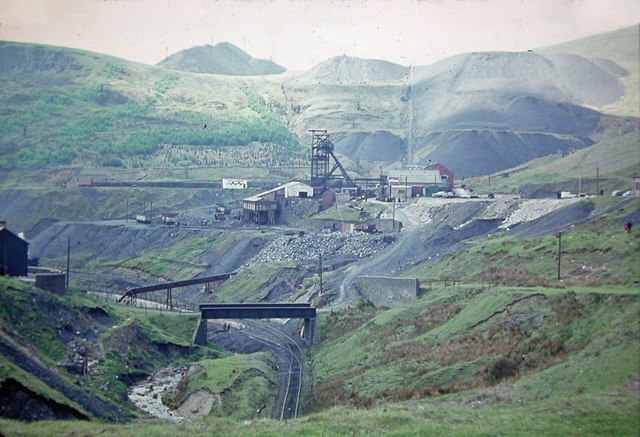
Pwllcarn Colliery shaft explosion, 1884
Shortly after midnight on the night of 17-18 December 1884 three sinkers going down the Pwllcarn shaft in the Garw valley in a bowk, carrying candles, fired a blower of gas about halfway down the 200-yard shaft. One was blown out and fell to the bottom; the other two were brought up terribly burned and died within a week.
| Date | 17-18 December 1884 |
|---|---|
| Mine | International Colliery |
| Region | Bridgend |
| Primary type | Explosion |
| Associated types | Winding / Shaft Accident |
| Fatalities | 3 (George Isaac, 29, James Harvey, 39, and John Thomas, 31, sinkers. Isaac was blown out of the bowk and fell to the bottom; Thomas died the next day and Harvey on 24 December. Y Gwladgarwr names the man who fell as German, of Maesteg.) |
| Context | During active mining |
Cause
A blower of gas in the sinking shaft was fired by the candles the sinkers carried, naked lights being customary in the sinking.
What happened
The three men were going down first to draw water from the shaft before the day shift arrived. George Isaac was thrown out of the bowk and fell about 105 yards into the water at the bottom; his body took a long time to find and was recovered on the 19th, his skull fractured. James Harvey and John Thomas, their clothes burnt off, were hauled up in the water barrel. Thomas died the next day of shock and Harvey on 24 December. Fourteen other men had been waiting to go down after them. Isaac, who lived at the Three Horse Shoes Inn, Maesteg, left a widow and four children.
Recorded claims
Individual factual claims, each attached to the source(s) that support it below. Where sources disagree, both are kept.
- Three sinkers were killed when gas exploded in the Pwllcarn sinking shaft in the Garw valley in the early hours of 18 December 1884. 1,2,3
- The men were going down the shaft with naked lights, and halfway down, at about 100 yards, their lights fired a blower of gas. 1,2,3
- Pwllcarn was then being sunk by the Trans-Atlantic Steam Coal Company. 1,3
- Fourteen more men were waiting to follow the three down. 2,3
Related terminology
Mining terms this disaster is structurally linked to, with the nature of the relationship.
- Blower (contextual relationship)
Named twice in this record, first in the summary: “…shaft in the Garw valley in a bowk, carrying candles, fired a blower of gas about halfway down the 200-yard shaft. One was blown out and…” - Kibble (contextual relationship)
Named twice in this record, first in the summary: “…three sinkers going down the Pwllcarn shaft in the Garw valley in a bowk, carrying candles, fired a blower of gas about halfway down the…” - Naked Light (contextual relationship)
Named in this record’s cause: “…in the sinking shaft was fired by the candles the sinkers carried, naked lights being customary in the sinking.” - Shaft (contextual relationship)
Named 4 times in this record, first in the summary: “…night of 17-18 December 1884 three sinkers going down the Pwllcarn shaft in the Garw valley in a bowk, carrying candles, fired a blower of…” - Shaft Sinking (contextual relationship)
Named 4 times in this record, first in the summary: “Shortly after midnight on the night of 17-18 December 1884 three sinkers going down the Pwllcarn shaft in the Garw valley in a bowk, carrying…”
Sources
- (secondary) Welsh Coal Mines fatalities, 1884 — Welsh Coal Mines
- (primary) Y Dydd, 26 December 1884: Tanchwa mewn glofa yn Maesteg — Y Dydd (Welsh Newspapers Online, National Library of Wales)
- (primary) Y Gwladgarwr, 31 December 1884: Maesteg: ffrwydriad yn nglofa Pwllcarn — Y Gwladgarwr (Welsh Newspapers Online, National Library of Wales)
Record created: 19 October 2026 · Last researched: 19 October 2026