 MineArchive
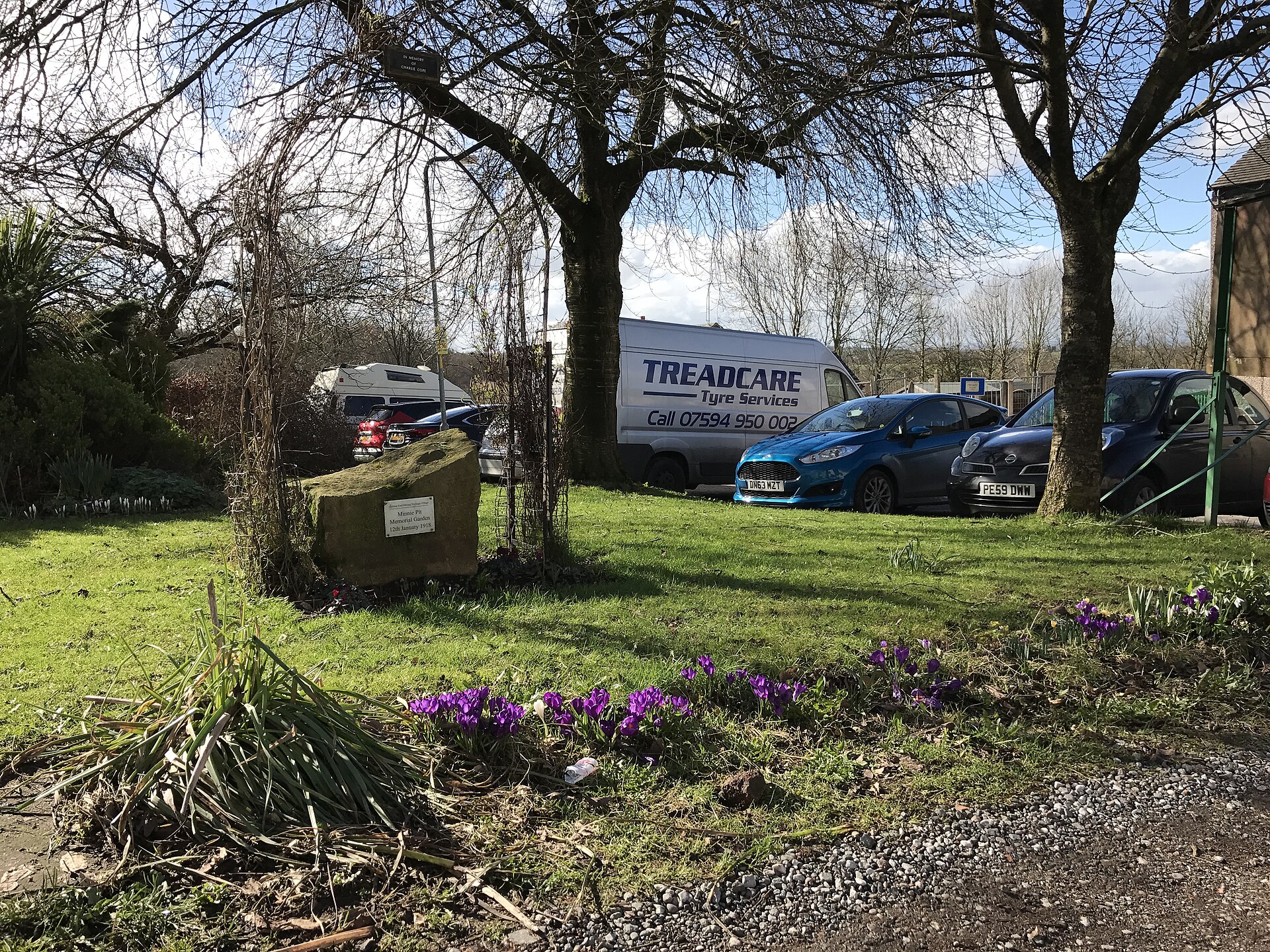
Minnie Pit explosion, 1915
| Date | 17 January 1915 |
|---|---|
| Mine | Minnie Pit |
| Region | Staffordshire |
| Type | Explosion |
| Fatalities | 9 (John White, 49, colliery engineer; Alfred Bostock, 43, assistant engineer; Frederick Cheadle, 53, rope man; James Nevitt, 36; Ralph Proctor, 55; Joseph Bates, 23; John Daniels, 40, pumpman; Frank Brindley, 54, assistant pumpman; Arthur Shufflebottom, 16.) |
| Injuries | Injured men were taken home by car and ambulance; their number is not given in the sources read. |
| Context | During active mining (A Sunday at the Midland Coal, Coke and Iron Company's Minnie Pit, Halmer End, with only a repair party of the engineer's staff below.) |
At about half past five on the evening of Sunday 17 January 1915 an explosion in the Minnie Pit at Halmer End, North Staffordshire, killed nine of a party of 27 engineering staff repairing a broken haulage engine, among them the colliery engineer John White. It was believed to have begun in the gassy Bullhurst district, but the inquest found no evidence of its cause. Three years later the same seam exploded and killed 155.
Cause
An explosion believed to have originated in the Bullhurst district, a seam known to give off gas freely; the inquest found no evidence of what caused it.
What happened
The haulage engine serving the Seven Feet Banbury dip and the Bullhurst had broken its shaft the previous Wednesday, idling the Bullhurst men. On the Sunday afternoon 27 men of the engineer's staff went down, one group under John White at the engine and another under the foreman Thomas Smith splicing rope in the dip. The survivors remembered no report, only something like a gust of wind that knocked them off their feet and blew out their lamps; Ernest Hankey said they kept to the floor against the fumes and crawled to the top of the dip by the light of an electric lamp. Four men died in the engine house, three just outside and two at the upcast shaft bottom. Most of the party got to the shaft bottom a mile away, and Edward Hunt came out by the return airway.
Rescue & recovery
The manager W. Barker went down with the under-managers Joseph Smith and C. H. Weaver and Ralph Lawton of the Burley Pit and reached the workings nearly 2,000 yards from the shaft without breathing apparatus; the company's rescue brigades from Apedale and Podmore Hall followed with apparatus. The foreman Ernest Jones and the fireman Isaac Button, at the shaft bottom, were praised. The Halmer End Wesleyan congregation left its service for the pit, and the last of the dead were brought up at six on the Monday morning.
Investigation & inquiry
The coroner H. W. Adams opened the inquest at the Greasley Arms on 20 January 1915 and resumed it on 28 January at the Primitive Methodist School, Halmer End, where the agent William Barber produced plans and confirmed the lower Bullhurst was a gassy seam. The jury found no evidence to show what caused the explosion.
Recorded claims
Individual factual claims, each attached to the source(s) that support it below. Where sources disagree, both are kept.
- Nine were killed on Sunday 17 January 1915, including the colliery engineer John White. 1,2
- Twenty-seven men of the engineer's staff went down at 2 p.m. to repair the broken shaft of a haulage engine in the Seven Feet Banbury dip, which also worked the Bullhurst district. 2,3
- Four were killed in the engine house, three just outside it and two at the bottom of the upcast shaft attending the pumping engine. 2
- The inquest jury found no evidence to show what caused the explosion. 2
- Because it happened on a Sunday, the loss of life was relatively low; on an ordinary night shift about 200 men would have been below. 1,2
Related terminology
Mining terms this disaster is structurally linked to, with the nature of the relationship.
- Breathing Apparatus (rescue/recovery concept)
Rescue brigades with breathing apparatus joined the search. - Downcast Shaft and Upcast Shaft (contextual relationship)
Named in this record’s narrative: “…Four men died in the engine house, three just outside and two at the upcast shaft bottom. Most of the party got to the shaft bottom a mile away, and…” - Engine House (contextual relationship)
Named in this record’s narrative: “…of the dip by the light of an electric lamp. Four men died in the engine house, three just outside and two at the upcast shaft bottom. Most of the…” - Fireman (rescue/recovery concept)
The fireman Isaac Button was praised. - Return Airway (rescue/recovery concept)
One man escaped by the return airway.
Sources
- (secondary) Minnie Pit Disaster — Wikipedia
- (secondary) Minnie Pit 1915 — North Staffordshire Mining Group (researched by John Lumsdon)
- (secondary) Explosion at Minnie Pit, Halmer End, 1915 — Healey Hero (John Lumsdon)
Record created: 9 September 2026 · Last researched: 13 September 2026