 MineArchive
Minera lead mines cage accident, 1901
Four miners fell to their deaths in the Meadow Shaft at Minera on 6 February 1901 when the bolt holding their cage to the rope snapped under a fraction of its load.
| Date | 6 February 1901 |
|---|---|
| Mine | Minera Lead Mines |
| Region | Wrexham |
| Type | Winding / Shaft Accident |
| Fatalities | 4 (Enoch Jones, 36; John Foulkes, 30; David Davies, 28 (David Jones in one inquest report); Donald Douglas, 22. All miners.) |
| Context | During active mining |
Location
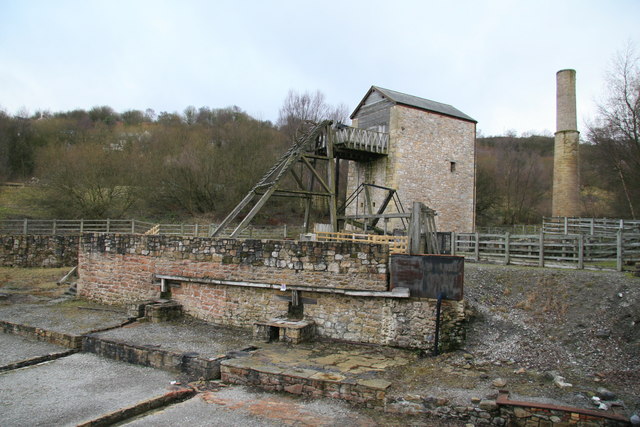
Plotted at Minera Lead Mines. Recorded location. The large pin is the mine; the small round markers are the nearest mines on record. Click one for its page. View on full map
Cause
The bolt (or bar) by which the cage hung from the rope broke; excess slag in the wrought iron at the fracture was suggested, but tests found the iron sound.
What happened
Late on the night of 6 February 1901 four men of the night shift were being lowered down the Meadow Shaft of the United Minera Mining Company's lead mines near Wrexham, a shaft some 440 yards deep. Part of the way down the engine driver called out that the weight had gone. The manager, Captain George Jones, was in the engine house and had the rope wound up: the bolt that held the cage had broken and the cage had fallen to the bottom. Men sent down another shaft found all four dead: Enoch Jones, 36, of Park Cottage, Minera; John Foulkes, 30, of New Brighton, Minera; and David Davies, 28, and Donald Douglas, 22, of Llanarmon. It was called the most serious accident yet at a lead mine in North Wales, and the worst at Minera since the mines opened in 1848.
At the inquest at Coedpoeth the company's secretary, G. F. Wynne, said the cage and bolt had been in use eleven months and that the bolt should have carried 24 to 28 tons, where the load at the time was only about 9 hundredweight. A specialist found an abnormal amount of slag in the wrought iron at the fracture, but the inspector of metalliferous mines, Dr Le Neve Foster, was not satisfied with that report: tests at the Mint and by Kirkaldy and Son had shown the bolt to be good, and to him the accident was unexplainable. Bridle chains had since been fitted to the cages. The jury returned a verdict of accidental death without retiring.
Investigation & inquiry
Dr C. Le Neve Foster, H.M. Inspector of Metalliferous Mines, attended the inquest; the bolt was tested at the Mint and by Kirkaldy and Son.
Legal & regulatory aftermath
The jury at the adjourned inquest at the Cross Foxes Inn, Coedpoeth, before the East Denbighshire coroner W. Wynn Evans, returned a verdict of accidental death.
Changes to practice & legislation
Bridle chains were fitted to the cage as an extra precaution.
What's uncertain
Points where sources disagree or the record could not be settled; both accounts are kept. All open questions in the archive.
- Tests at the Mint and by Kirkaldy and Son found the bolt sound; a specialist blamed excess slag in the wrought iron at the fracture, but the inspector, Dr Le Neve Foster, called the accident unexplainable. (disputed) 3
Recorded claims
Individual factual claims, each attached to the source(s) that support it below. Where sources disagree, both are kept.
- On the night of 6 February 1901 four miners being lowered down the Meadow Shaft of the Minera lead mines fell to the bottom and were killed when the bar suspending their cage broke: Enoch Jones, John Foulkes, David Davies and Donald Douglas. 1,2,3
- It was reported as the most serious accident yet at a lead mine in North Wales, and the worst at Minera since the mines opened in 1848. 2,3
- Tests at the Mint and by Kirkaldy and Son found the bolt sound; a specialist blamed excess slag in the wrought iron at the fracture, but the inspector, Dr Le Neve Foster, called the accident unexplainable. (disputed) 3
- The jury returned a verdict of accidental death without retiring. 3
Related terminology
Mining terms this disaster is structurally linked to, with the nature of the relationship.
- Cage (contextual relationship)
Named 7 times in this record, first in the summary: “…Shaft at Minera on 6 February 1901 when the bolt holding their cage to the rope snapped under a fraction of its load.” - Captain (contextual relationship)
Named in this record’s narrative: “…the engine driver called out that the weight had gone. The manager, Captain George Jones, was in the engine house and had the rope wound up: the…” - Engine House (contextual relationship)
Named in this record’s narrative: “…the weight had gone. The manager, Captain George Jones, was in the engine house and had the rope wound up: the bolt that held the cage had broken…” - Lead (contextual relationship)
Named twice in this record, first in the narrative: “…lowered down the Meadow Shaft of the United Minera Mining Company's lead mines near Wrexham, a shaft some 440 yards deep. Part of the way…” - Shaft (contextual relationship)
Named 4 times in this record, first in the summary: “Four miners fell to their deaths in the Meadow Shaft at Minera on 6 February 1901 when the bolt holding their cage to the…”
Sources
- (primary) Durham Mining Museum: Minera (Metalliferous), 6 February 1901 — Durham Mining Museum
- (secondary) Four Men Killed at Wrexham, 7 February 1901 (Welsh Newspapers Online) — Welsh Newspapers Online, National Library of Wales
- (secondary) The North Wales Mining Disaster: inquest at Coedpoeth, 1 March 1901 (Welsh Newspapers Online) — Welsh Newspapers Online, National Library of Wales
Record created: 27 November 2026 · Last researched: 27 November 2026