 MineArchive
Milfraen Colliery explosion, 1929
| Date | 10 July 1929 |
|---|---|
| Mine | Milfraen Colliery |
| Region | Torfaen |
| Primary type | Explosion |
| Associated types | Rescue |
| Fatalities | 9 (Archie Barrell, 22; Clifford Edmunds, 20; Ernest Holder, 57; Evan Howells, 40, the coal-cutting machine man; David John Parry, 37; David Ricketts, 35; Albert James Williams, 21; Evan James Williams, 20; and Ernest Southcott, 20 or 21, who died later of burns.) |
| Injuries | Five were injured, one of whom, Ernest Southcott, died. |
| Context | During active mining (A morning shift at the Blaenavon company's Milfraen pit on Cefn Coch, with 65 people underground and the colliery in the course of reopening after standing idle.) |
At 8.30 on the morning of 10 July 1929 gas exploded in the Mapstone's district of Milfraen Colliery above Blaenavon, killing eight men outright and one more who died of his burns. The formal investigation, held with the inquest, found that roof falls had spoiled the ventilation of two conveyor faces, gas had gathered at a fall, the fireman had missed it, and a defective Hopkinson coal cutter had sparked it off. The jury returned misadventure.
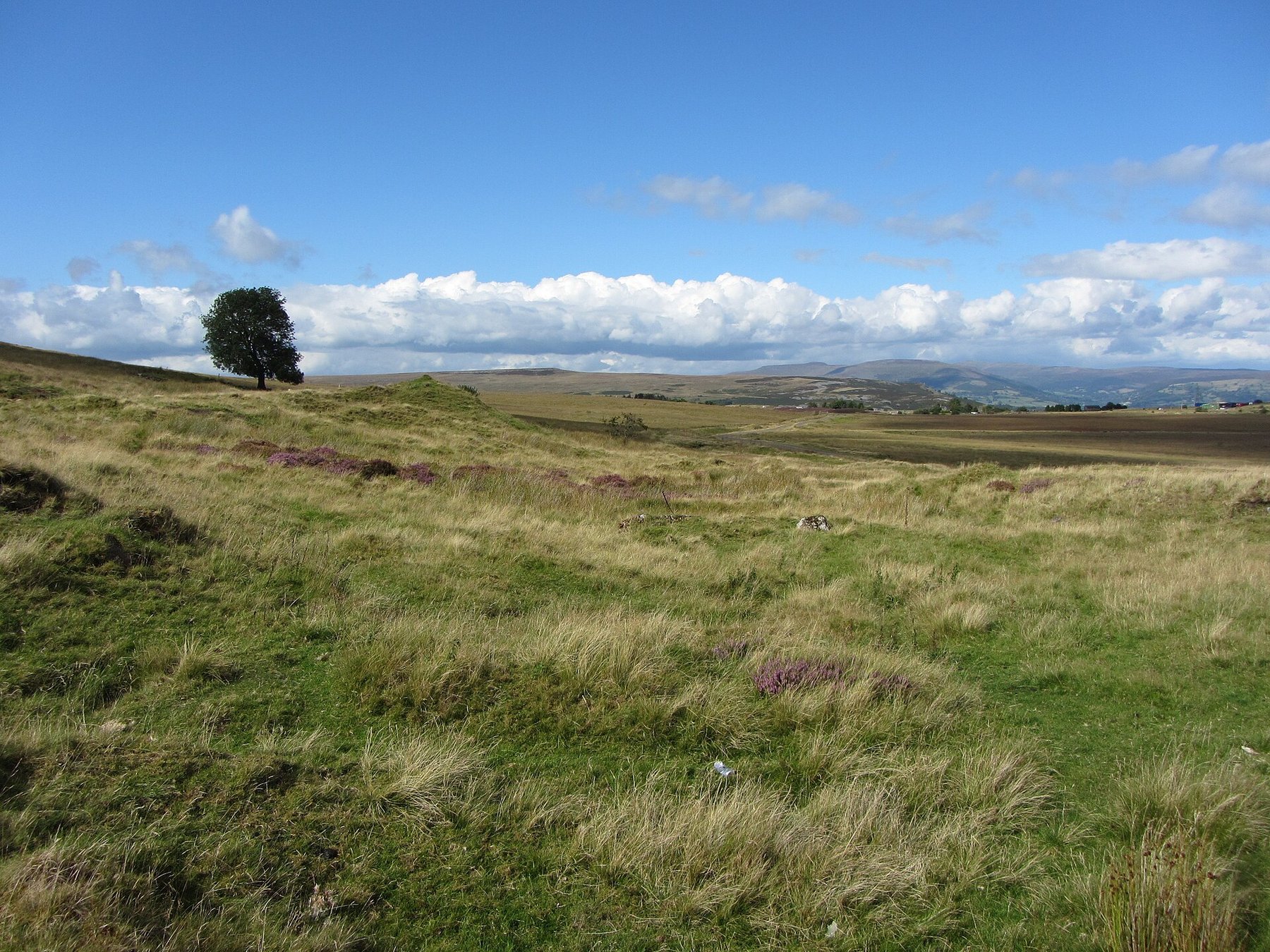
Cause
Firedamp accumulated at a fall at the top of B conveyor, ignited by open sparking in a defective Hopkinson coal-cutting machine.
Contributing factors
Falls of roof on the B and C conveyor faces had made the ventilation inadequate, which the jury found the responsible officials knew or should have known; the fireman's 6.40 a.m. examination failed to find the gas; the Mapstone's section was unsafe for men to be admitted; and General Regulation 132 on electrical apparatus was not complied with.
What happened
Milfraen, an old pit high on the mountain two miles from Blaenavon with many long-worked-out headings, was being brought back into work with new machine-cut faces. Howells and Edmunds were at the coal cutter and Holder and Ricketts at the face when the gas fired; others were found dead or dying a short way out. Arthur Holder, a Blaenavon councillor who had been due to emigrate to Canada and had gone back to his old job alongside his father, had just gone to fetch wood when the blast tore his vest off and blinded him for a time.
Rescue & recovery
The workmen underground went straight to the injured with little thought for their own safety. Arthur Holder brought out Edward Weaver and tried to go back for his father but was driven off by smoke and heat. The Tirpentwys Colliery rescue brigade arrived first, and Doctors Crowe and Rudden went underground; Dr Crowe told reporters that 'there was not a man who was not willing to risk his life'.
Investigation & inquiry
A formal investigation was held concurrently with the adjourned inquest before W. R. Dauncey, coroner for the Abergavenny district, at the Co-operative Hall, Blaenavon, from 19 to 22 August 1929, hearing 26 witnesses, and reported to Ben Turner, Secretary for Mines, on 23 November. The jury answered the coroner's questions and returned a verdict of misadventure.
Legal & regulatory aftermath
The jury recommended better packing of the gobs, an oil lamp in every working place, more frequent examination of coal cutters and a better search of men going to their working places. Production at Milfraen ceased in 1933.
Recorded claims
Individual factual claims, each attached to the source(s) that support it below. Where sources disagree, both are kept.
- At 8.30 on the morning of 10 July 1929, with 65 people underground, an explosion in the Mapstones District killed nine; the inquiry found ventilation inadequate and the gas ignited by electrical sparks from a faulty coal-cutting machine. 1,2
- The jury found an explosion of gas which had accumulated at the fall at the top of B conveyor, ignited by a defective Hopkinson coal cutter, the accumulation caused by ventilation made inadequate by roof falls on the B and C conveyor faces. 3
- The jury found the inadequate ventilation was or should have been known to the officials, that the fireman Jehu Morgan should have found the gas at his 6.40 a.m. examination, that the section was unsafe for men to enter, and that the coal cutter could and did spark openly contrary to the electricity regulations; its verdict was misadventure. 3
- The dead were Archie Barrell, Clifford Edmunds, Ernest Holder, Evan Howells, David John Parry, David Ricketts, Albert James Williams, Evan James Williams and Ernest Southcott, who died later of burns. 1,2
- The Durham Mining Museum dates Ernest Southcott's death to 29 July 1929; the eyewitness account on Welsh Coal Mines says he died eight days after the explosion. (disputed) 1,2
- Men underground went at once to the injured; Arthur Holder, burned and blinded, rescued Edward Weaver but was driven back from his father, who died; the Tirpentwys rescue brigade, on its way to a practice at Crumlin, was first of the trained teams to arrive. 1
Related terminology
Mining terms this disaster is structurally linked to, with the nature of the relationship.
- Coal Cutter (direct cause)
A defective coal cutter sparked. - Firedamp (direct cause)
Gas accumulated at a fall and fired. - Fireman (contributing factor)
The fireman's examination failed to find the gas. - Goaf (contextual relationship)
Named in this record’s aftermath: “The jury recommended better packing of the gobs, an oil lamp in every working place, more frequent examination of…” - Roof Fall (contextual relationship)
Named twice in this record, first in the summary: “…burns. The formal investigation, held with the inquest, found that roof falls had spoiled the ventilation of two conveyor faces, gas had gathered…”
Sources
- (primary) Milfraen Colliery, Blaenavon — Welsh Coal Mines, from the Inspector of Mines lists
- (primary) Durham Mining Museum: Milfraen Colliery — Durham Mining Museum, from the Lists of Mines
- (primary) Report on the Causes and Circumstances of the Explosion at Milfraen Colliery, on the 10th July, 1929 — Durham Mining Museum (transcription of the report to the Secretary for Mines, 23 November 1929)
Record created: 10 September 2026 · Last researched: 13 September 2026