 MineArchive
Llantrisant Colliery explosion, 1941
On the Whit Monday bank holiday, 2 June 1941, methane that had built up in the No. 2 shaft of Powell Duffryn's Llantrisant (Ynysmaerdy) Colliery exploded at the surface. It wrecked most of the pithead buildings and killed four men, among them the manager. The pit never reopened.
| Date | 2 June 1941 |
|---|---|
| Mine | Llantrisant Colliery |
| Region | Rhondda Cynon Taf |
| Type | Explosion |
| Fatalities | 4 (John Gregor (37), manager; Ernest Evans (38), banksman; Noah Fletcher (51), winding engineman; David Thomas (58), telephone switchboard attendant.) |
| Context | During active mining |
Cause
An accumulation of methane in the No. 2 shaft, ignited and exploding at the surface.
What happened
Llantrisant Colliery, also called Ynysmaerdy or New Duffryn, was sunk from 1922 by the Powell Duffryn Steam Coal Company. Its pithead was built on a grand scale. Severe geology had confined working to the No. 3 Rhondda seam by 1930, and in 1941 it employed about a hundred men.
On 2 June 1941 firedamp that had accumulated in the No. 2 shaft was ignited and exploded on the surface. The report was heard some twelve miles away. The blast destroyed the pithead and several neighbouring buildings, and flattened the fan house at the end of the engine hall. Four men died: the manager John Gregor (37), the banksman Ernest Evans (38), the winding engineman Noah Fletcher (51) and the switchboard attendant David Thomas (58). Because it was a bank holiday, few others were at the colliery.
Legal & regulatory aftermath
All mining stopped after the explosion and the colliery never reopened. At nationalisation in 1947 it was kept on a maintenance basis with five surface men.
Memorials & commemoration
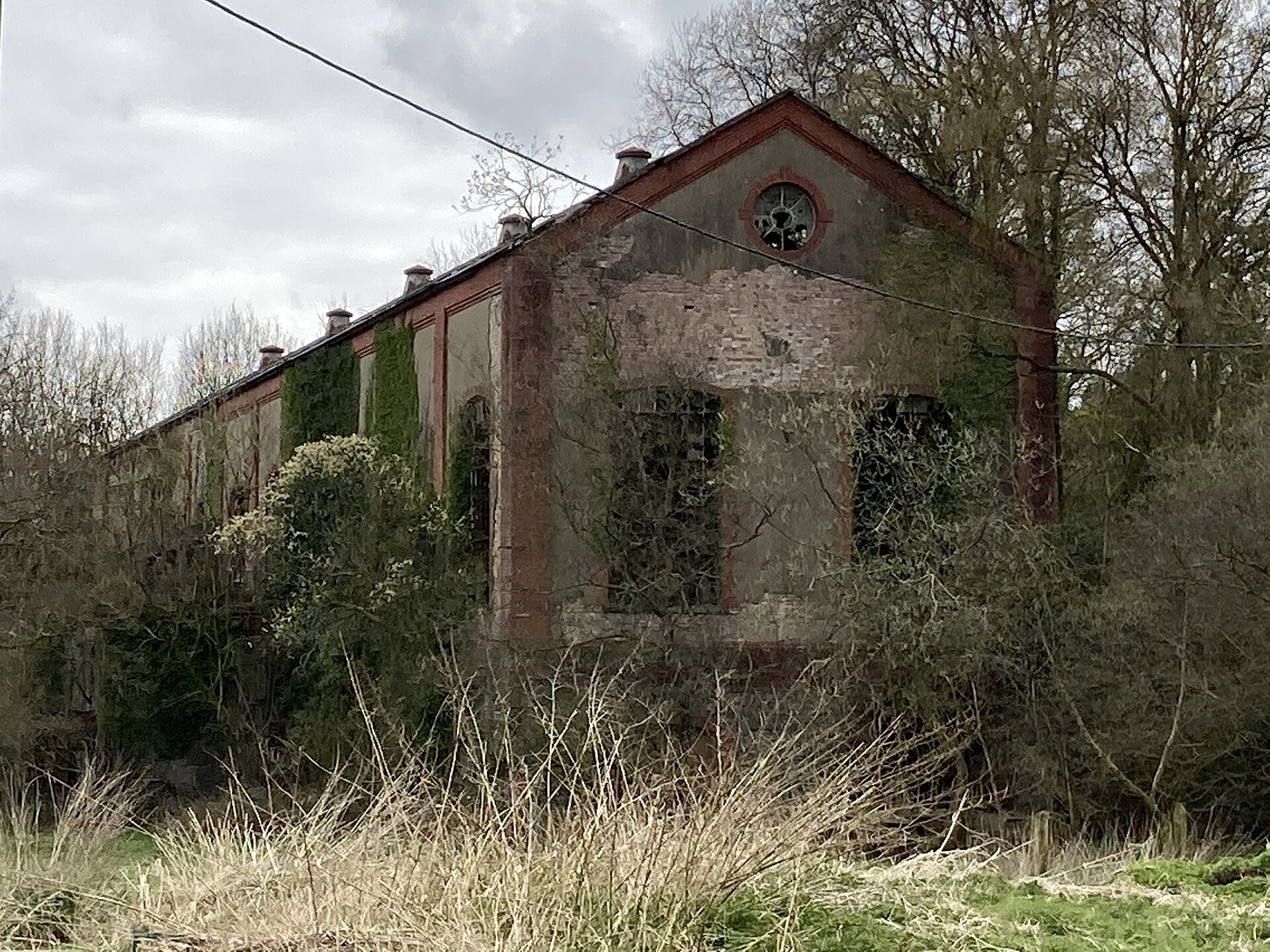
The engine hall, the separate southern winding house, the stores and the explosives store survive and are listed Grade II.
What's uncertain
Points where sources disagree or the record could not be settled; both accounts are kept. All open questions in the archive.
- The colliery closed in 1942 following an underground explosion. (disputed) 4
Recorded claims
Individual factual claims, each attached to the source(s) that support it below. Where sources disagree, both are kept.
- On 2 June 1941 an explosion at Llantrisant Colliery killed four men: the manager, the banksman, the winding engineman and the switchboard attendant. 1,2
- Methane that had built up in the No. 2 shaft was ignited and exploded at the surface, wrecking most of the surface buildings. 2,3
- All mining stopped and the colliery never reopened. 1,2
- The colliery closed in 1942 following an underground explosion. (disputed) 4
Related terminology
Mining terms this disaster is structurally linked to, with the nature of the relationship.
- Banksman (contextual relationship)
Named in this record’s narrative: “…of the engine hall. Four men died: the manager John Gregor (37), the banksman Ernest Evans (38), the winding engineman Noah Fletcher (51) and the…” - Fan House (contextual relationship)
Named in this record’s narrative: “…the pithead and several neighbouring buildings, and flattened the fan house at the end of the engine hall. Four men died: the manager John…” - Firedamp (contextual relationship)
Named in this record’s narrative: “…1930, and in 1941 it employed about a hundred men. On 2 June 1941 firedamp that had accumulated in the No. 2 shaft was ignited and exploded on…” - Pithead (contextual relationship)
Named 3 times in this record, first in the summary: “…Colliery exploded at the surface. It wrecked most of the pithead buildings and killed four men, among them the manager. The pit never…” - Winding Engine (contextual relationship)
Named in this record’s memorials: “The engine hall, the separate southern winding house, the stores and the explosives store survive and are listed Grade II.”
Photographs & further reading
This page doesn't try to reproduce everything — these are the best original sources found for this disaster.
Photographs of the surviving engine hall, winding house and stores.
View sourceThe colliery and the 1941 surface explosion, with a photograph of the scene afterwards.
View sourceSources
- (secondary) Llantrisant Colliery — Northern Mine Research Society
- (secondary) Ynysmaerdy — Welsh Coal Mines
- (observational) Llantrisant or Ynysmaerdy Colliery Remains (Wales, Aug, 2026) — 28DaysLater
- (primary) Engine Hall of former Llantrisant Colliery, Llanharan — British Listed Buildings (Cadw listing)
Record created: 1 October 2026 · Last researched: 2 October 2026