 MineArchive
Hemingfield Colliery Explosion, 1852
An underground explosion at Earl Fitzwilliam's Hemingfield Colliery, near Elsecar, at 1.30 pm on 22 December 1852 killed ten miners and injured twelve. The inquiry praised Benjamin Biram's fan ventilation, which had divided the workings into two districts and is thought to have kept the toll from being worse.
| Date | 22 December 1852 |
|---|---|
| Mine | Hemingfield Colliery |
| Region | South Yorkshire |
| Type | Explosion |
| Fatalities | 10 (10 dead, 12 injured. The two sources read do not name them.) |
| Injuries | 12 |
| Context | During active mining |
Cause
An underground explosion; the sources read do not state the source of ignition.
What happened
At 1.30 pm on 22 December 1852 an explosion in the workings of Hemingfield Colliery, then five years into coal production from the Barnsley seam, killed ten miners and injured twelve more. The pit was ventilated by a fan rather than the usual furnace, one of Benjamin Biram's experiments, and its air was split between two districts; the Friends of Hemingfield Colliery write that the effects would have been significantly worse had the ventilation not been divided in this way.
Rescue & recovery
Unknown.
Investigation & inquiry
An inquest was held before the coroner Thomas Badger. Charles Morton, Inspector of Mines for Yorkshire, admonished both management and men, while his report noted and praised details of Biram's fan ventilation system.
Legal & regulatory aftermath
Printed rules were thereafter required at the colliery for the safety of the miners.
Changes to practice & legislation
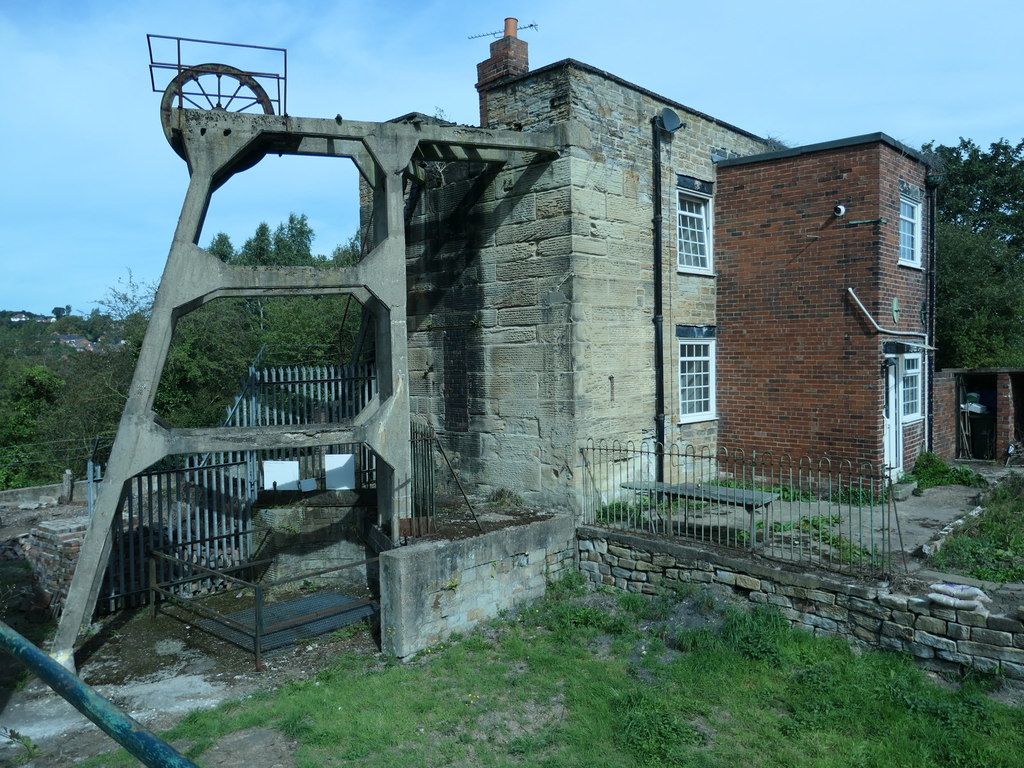
Two additional shafts were sunk in 1852-53 to improve ventilation, connected to a fan house built in 1854.
Memorials & commemoration
Unknown.
People
- Thomas Badger · official, 1852 — Coroner who held the inquest into the 22 December 1852 explosion.
- Benjamin Biram · engineer, 1852 — His fan ventilation and two-district air split were praised after the explosion.
- Charles Morton · inspector, 1852 — Inspector of Mines for Yorkshire, who admonished management and men after the 1852 explosion.
Recorded claims
Individual factual claims, each attached to the source(s) that support it below. Where sources disagree, both are kept.
- In 1852 an underground explosion caused the death of 10 miners. 1
- At 1.30 pm on 22 December 1852 an explosion underground claimed 10 lives and injured a further 12 miners. 2
- The report into the disaster noted and praised details of Biram's fan ventilation system. 1
- An inquest was led by Coroner Thomas Badger; the Mines Inspector for Yorkshire, Charles Morton, admonished the management and the men; the effects would have been significantly worse had the ventilation not been divided into two districts. 2
- Printed rules were thereafter required for the safety of the miners. 2
Related terminology
Mining terms this disaster is structurally linked to, with the nature of the relationship.
- Colliery (contextual relationship)
Named 4 times in this record, first in the summary: “An underground explosion at Earl Fitzwilliam's Hemingfield Colliery, near Elsecar, at 1.30 pm on 22 December 1852 killed ten miners and…” - Fan House (contextual relationship)
Named in this record’s changes to practice: “…shafts were sunk in 1852-53 to improve ventilation, connected to a fan house built in 1854.” - HM Chief Inspector of Mines (contextual relationship)
Named in this record’s investigation: “An inquest was held before the coroner Thomas Badger. Charles Morton, Inspector of Mines for Yorkshire, admonished both management and men, while his report…” - Shaft (contextual relationship)
Named in this record’s changes to practice: “Two additional shafts were sunk in 1852-53 to improve ventilation, connected to a fan…”
Sources
- (primary) Hemingfield Colliery (Scheduled Monument 1465079) — Historic England
- (secondary) Hemingfield Colliery: 1842-2025 (History) — Friends of Hemingfield Colliery
Record created: 21 September 2026 · Last researched: 21 September 2026