 MineArchive
Dean Lane Colliery explosion, 1886
On 10 September 1886 firedamp exploded in the Gas Coal seam at the Bedminster Coal Company's Dean Lane Colliery in Bristol, killing ten of the twenty men working there. The inspector found that gas from the coal had seeped through cracks in an arch and fired at a boy's naked light.
| Date | 10 September 1886 |
|---|---|
| Mine | Dean Lane Colliery |
| Region | Bristol |
| Type | Explosion |
| Fatalities | 10 (10 killed of 20 in the seam; one local account gives eight.) |
| Context | During active mining |
Cause
Firedamp from coal behind an arched level, seeping through cracks and ignited at a naked light; coal dust extended the explosion.
Contributing factors
Open lights in a seam known to give off some gas; a dry and dusty pit.
What happened
The Gas Coal seam, two feet eight inches thick, was reached by a 50-yard staple called the tip, a level and a 300-yard incline. It gave off little firedamp and was worked with open lights; gas had been found in one working at the beginning of September, after which the men there had a safety lamp. The blast threw the cage up the tip into the pulley, where it jammed. Nine of the dead, five hewers and four fillers aged 14 to 48, were suffocated; the sixteen-year-old banksman George Higham fell down the tip with the tram he was pushing into the cage.
The inspector, Cadman, found that the level from the shaft had been driven through a thick piece of coal that gave off gas, and that the gas had most probably found its way through cracks in the arch and exploded at a naked light carried by a boy named Jeffries. The dry, dusty pit made it far worse: with no dust, he thought, only the two in the arch, both of whom recovered, would have been hurt.
Investigation & inquiry
The inquest, opened by the coroner Wasborough and adjourned to the 20th, examined the colliery's arrangements; a separate report to the Home Secretary was made by J. Bros and the inspector T. Cadman. Some men pressed a theory that the gas fired at an old incline, which the evidence did not support.
Legal & regulatory aftermath
The jury found that the explosion began in the arch and that the ventilation was sufficient, amounting to accidental death.
Changes to practice & legislation
After the explosion new ventilation roads were driven and locked lamps adopted in the mine.
Memorials & commemoration
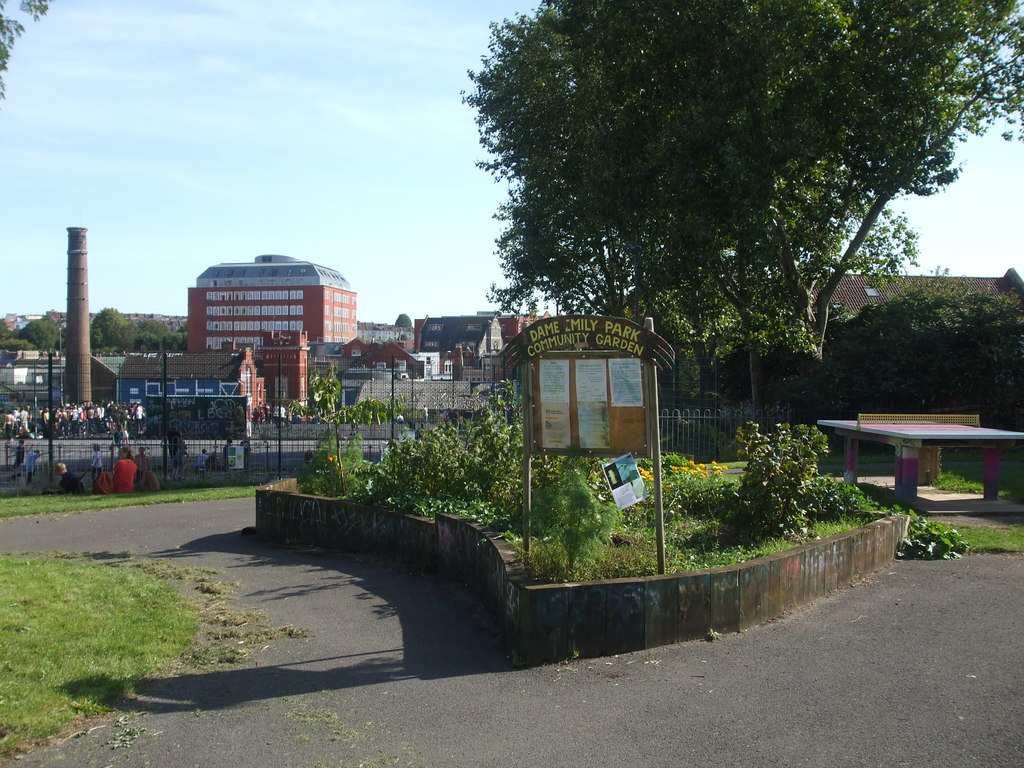
A memorial bandstand stood on the site of the pit shaft in what became Dame Emily Park; it has since given way to a skateboard area and playground.
Recorded claims
Individual factual claims, each attached to the source(s) that support it below. Where sources disagree, both are kept.
- The explosion in September 1886 killed ten miners. 1,2,3
- The explosion happened on 10 September 1886. 2,3
- Gas from coal behind the arch found its way through cracks and exploded at a naked light carried by a boy named Jeffries. 1,2
- The inspector judged that without the dust only the two people in the arch would have been affected. 1
- The Dean Lane pit site is now Dame Emily Park. 3,4
Related terminology
Mining terms this disaster is structurally linked to, with the nature of the relationship.
- Banksman (contextual relationship)
Named in this record’s narrative: “…four fillers aged 14 to 48, were suffocated; the sixteen-year-old banksman George Higham fell down the tip with the tram he was pushing into…” - Filler (contextual relationship)
Named in this record’s narrative: “…the pulley, where it jammed. Nine of the dead, five hewers and four fillers aged 14 to 48, were suffocated; the sixteen-year-old banksman George…” - Hewer (contextual relationship)
Named in this record’s narrative: “…up the tip into the pulley, where it jammed. Nine of the dead, five hewers and four fillers aged 14 to 48, were suffocated; the…” - Incline (contextual relationship)
Named twice in this record, first in the narrative: “…reached by a 50-yard staple called the tip, a level and a 300-yard incline. It gave off little firedamp and was worked with open lights; gas…” - Naked Light (contextual relationship)
Named 5 times in this record, first in the summary: “…the coal had seeped through cracks in an arch and fired at a boy's naked light.”
Photographs & further reading
This page doesn't try to reproduce everything — these are the best original sources found for this disaster.
The seam, the explosion, the inspector's findings and the inquest.
View sourceOwners, seams, employment and the names of those killed.
View sourceA talk on the disaster, its causes and its effect on the Bedminster mines.
View sourceSources
- (secondary) Dean Lane Colliery Explosion - Bristol - 1886 — Northern Mine Research Society
- (primary) Dean Lane Colliery — Durham Mining Museum
- (secondary) The Dean Lane Pit disaster of 1886 and its repercussions — Bristol Radical History Group
- (secondary) Mining in Bedminster — Bristol Stories
Record created: 3 October 2026 · Last researched: 3 October 2026