 MineArchive
Cymmer Colliery Explosion, 1856
On the morning of 15 July 1856, 160 men and boys went down the Old Pit at Cymmer Colliery near Porth for the six o'clock shift. A gas explosion near the mine entrance trapped those already deeper in; 114 died, most of them of afterdamp. Forty-nine were boys under sixteen, fifteen of them under twelve. The mine's manager and four officials were charged with manslaughter and all were acquitted.
| Date | 15 July 1856 |
|---|---|
| Mine | Cymmer Colliery |
| Region | Rhondda Cynon Taf |
| Primary type | Explosion |
| Associated types | Entrapment, Gas / Asphyxiation |
| Fatalities | 114 (114 men and boys. Thirty-four were under sixteen and a further fifteen under twelve. Thirty-five widows, ninety-two children and other dependent relatives were left with no immediate means of support.) |
| Context | During active mining |
Cause
Defective mine ventilation and the use of naked flames underground.
Contributing factors
HM Inspector of Mines Herbert Francis Mackworth had inspected the colliery twice between 1852 and 1855 and written to the owner recommending improvements to the underground ventilation and the use of safety lamps; the Davy and Geordie lamps had both existed since 1815 and were in wide use elsewhere. Relations between the men and the management had already broken down over the dismissal of two experienced firemen in 1854, on whose gas reports the colliers depended, and the twenty-two week strike that followed. In 1855, with Rhondda coking coal in heavy demand and the Crimean War sharpening it, the owner doubled the number of colliers at the Old Pit and enlarged the worked area by over a third.
What happened
On Tuesday 15 July 1856, 160 men and boys descended the Old Pit shaft to begin the six o'clock shift. As they made their way to their workplaces there was an explosion of gas near the mine entrance, which cut off the colliers who were already further in. It was three hours before rescuers could reach them. They found that many of the men had gathered in groups to die together as the air ran out.
By that evening 112 bodies had been recovered. Another was brought up the following day, and a severely burnt collier died the day after that, bringing the toll to 114. In his report to the Secretary of State for 1856, Mackworth called it the most lamentable and destructive explosion that had ever occurred in any colliery either in this country or abroad.
Rescue & recovery
Rescuers could not reach the trapped men for three hours. Recovery of the bodies continued into the following day.
Investigation & inquiry
The coroner's inquest opened on 16 July 1856 at Porth before the North Glamorgan coroner George Overton and a jury of eighteen, adjourned to let the jurors view the bodies, and reconvened eleven days later at Pontypridd, where twenty-nine witnesses were called. The evidence pointed to defective ventilation and the use of naked flames, despite the warnings Mackworth had already sent the owner. Mackworth told the inquest that the explosion arose from the persons in charge of the pit neglecting the commonest precautions for the safety of the men and the safe working of the colliery. The inquest found that, apart from the collier who died later of burns, all the deaths were caused by suffocation from afterdamp.
James Harvey Insole, the owner, left the inquest without charge after claiming he took no part in the management of the mine. The jury brought charges of manslaughter against the manager Jabez Thomas and four officials — Rowland Rowlands, the overman, and the firemen Morgan Rowlands, David Jones and William Thomas. They were tried at the Glamorgan Assizes in March 1857 before Baron Watson and all were acquitted, to the outrage of the local mining communities.
Legal & regulatory aftermath
After a second gas explosion at the colliery in December 1856, the single-shaft Old and New Pits were linked to give a two-shaft arrangement; two-shaft mines were made compulsory across the industry by 1865. Influenced by the number of children killed, the Mines Regulation Act 1860 prohibited the employment of boys under twelve unless they could read and write and were attending school for at least three hours a day on two days a week. Mackworth's 1854 recommendations — that a qualified mining engineer and enough competent subordinate officers and deputies should take complete charge of the machinery, ventilation, ways and works, and watch over the safety of the workmen — were enacted in the Mines Act 1872. The disaster also prompted attempts to reduce the reliance of bereaved families on public charity through compensation schemes, though the first successful scheme did not emerge until 1881.
Memorials & commemoration
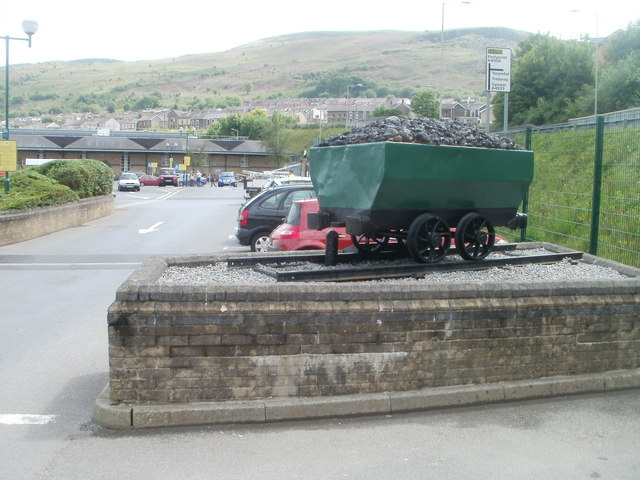
A memorial to those killed stands at Porth. In July 2010 the Friends of Insole Court dedicated a tree to the men who died, and in 2015 around forty pupils and teachers walked the seventeen-mile Glo-Aur route from the site of the former pit to Insole Court, each carrying a lump of coal from Porth to exchange for a golden coin on arrival.
Recorded claims
Individual factual claims, each attached to the source(s) that support it below. Where sources disagree, both are kept.
- 114 men and boys were killed; 112 bodies were recovered by the evening of the explosion, one the next day, and a severely burnt collier died the day after that. 1,2
- Thirty-four of the 114 were boys under sixteen, and a further fifteen were under twelve. 1,2
- The inquest evidence indicated that the explosion resulted from defective mine ventilation and the use of naked flames underground, despite warnings sent to the owner by HM Inspector of Mines. 1,2
- Apart from the collier who died later of burns, the inquest determined all the deaths resulted from suffocation caused by the post-explosion effects of afterdamp. 1,2
- The manager Jabez Thomas and four officials were charged with manslaughter; all were acquitted at the Glamorgan Assizes in March 1857 before Baron Watson. The owner, James Harvey Insole, faced no charge after claiming he took no part in management. 1,2
- Thirty-five widows, ninety-two children and other dependent relatives were left with no immediate means of support. 1,2
Related terminology
Mining terms this disaster is structurally linked to, with the nature of the relationship.
- Afterdamp (contextual relationship)
Named twice in this record, first in the summary: “…entrance trapped those already deeper in; 114 died, most of them of afterdamp. Forty-nine were boys under sixteen, fifteen of them under twelve.…” - Deputy (contextual relationship)
Named in this record’s aftermath: “…mining engineer and enough competent subordinate officers and deputies should take complete charge of the machinery, ventilation, ways and…” - Naked Light (contextual relationship)
Named twice in this record, first in the cause: “Defective mine ventilation and the use of naked flames underground.” - Overman (contextual relationship)
Named in this record’s investigation: “…the manager Jabez Thomas and four officials — Rowland Rowlands, the overman, and the firemen Morgan Rowlands, David Jones and William Thomas.…” - Safety Lamp (contextual relationship)
Named twice in this record, first in the contributing factors: “…improvements to the underground ventilation and the use of safety lamps; the Davy and Geordie lamps had both existed since 1815 and were in…”
Photographs & further reading
This page doesn't try to reproduce everything — these are the best original sources found for this disaster.
The roll of those killed in the explosion of 15 July 1856.
View sourceSources
- (secondary) Cymmer Colliery explosion — Wikipedia
- (secondary) E. D. Lewis, 'The Cymer (Rhondda) Explosion', Transactions of the Honourable Society of Cymmrodorion (1976), 118-161 — Honourable Society of Cymmrodorion
- (secondary) Cymmer Colliery disaster: death roll — Welsh Coal Mines
Record created: 3 September 2026 · Last researched: 3 September 2026