 MineArchive
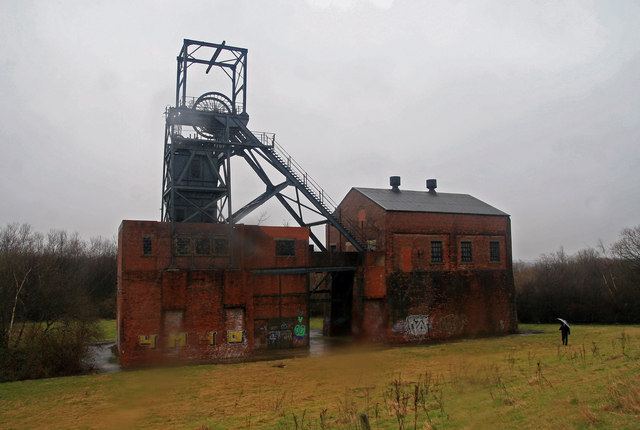
Barnsley Main Colliery explosion, 1947
At 12.15 p.m. on 7 May 1947, four months after nationalisation, firedamp exploded at the top of No. 3 right face in Barnsley Main's Kent's Thick seam and ran the length of the face. Nine men died, most of them from afterdamp; nearly every other man on that side was burned but survived.
| Date | 1947 |
|---|---|
| Mine | Barnsley Main Colliery |
| Region | South Yorkshire |
| Type | Explosion |
| Fatalities | 9 (Nine: two repairers, six colliers and the shotfirer.) |
| Context | During active mining |
Cause
An arc between the cores of the shaker-conveyor trailing cable and a moving nut on the unguarded rocker arm of the driving gear ignited firedamp at the top of the face.
Contributing factors
The rocker-arm cover had been missing for days; the new No. 8 District's connections had changed the ventilation of No. 3 face; gas had been reported in a cavity at the top end the day before.
What happened
After the owners planned to close Barnsley Main, it was instead redeveloped in the Kent's Thick seam from 1945 and by 1947 wound 1,200 tons a day. Gas had been reported at the top of No. 3 face two days earlier and in a cavity at the new crossgate junction, and the fan's water gauge had been raised the afternoon before. In the seventh hour of the filling shift the explosion started near the top of the right side of the face and travelled the whole face and half way down the left, into the gates and return. The two repairers in the new crossgate, six of seven colliers filling at the top and the shotfirer Henry Storey were killed; one died of a fractured skull, the rest of afterdamp.
Rescue & recovery
With a hospital close to the colliery, the injured were arriving almost before its staff knew there had been an explosion, and all of them recovered; uninjured and lightly burned men carried on the recovery with the officials.
Investigation & inquiry
The inspector concluded that the deputy's examination for gas fifteen minutes before cannot have been thorough enough, and recommended a ventilation engineer for each group of mines and no substantial ventilation changes during a main working shift.
Legal & regulatory aftermath
Unknown.
Changes to practice & legislation
Unknown.
Memorials & commemoration
Unknown.
Recorded claims
Individual factual claims, each attached to the source(s) that support it below. Where sources disagree, both are kept.
- The explosion at 12.15 p.m. on 7 May 1947 originated near the top end of No. 3 right face; the source of ignition was an arc between the cores of the trailing cable and a moving nut on the rocker arm of the shaker conveyor driving gear. 1
- Nine named as killed on 7 May 1947: Allen, Balyden, Baxter, Crawcroft, Denton, Earnshaw, Edwards, Peake and Storey (shotfirer). 2
Related terminology
Mining terms this disaster is structurally linked to, with the nature of the relationship.
- Afterdamp (hazard involved)
Killed most of the dead. - Colliery (contextual relationship)
Named in this record’s rescue and recovery: “With a hospital close to the colliery, the injured were arriving almost before its staff knew there had…” - Deputy (contributing factor)
His examination was judged not thorough enough. - Firedamp (direct cause)
Gas at the top of the face. - Shot-firing (contextual relationship)
Named in this record’s narrative: “…the new crossgate, six of seven colliers filling at the top and the shotfirer Henry Storey were killed; one died of a fractured skull, the rest of…”
Sources
- (secondary) Barnsley Main Colliery Explosion - Barnsley - 1947 — Northern Mine Research Society
- (secondary) Durham Mining Museum - Barnsley Main Colliery — Durham Mining Museum
Record created: 21 September 2026 · Last researched: 21 September 2026