 MineArchive

Six Bells (Gillian Clarke poem)
| Category | Literature |
|---|---|
| Dates | Explosion 28 June 1960; fiftieth anniversary and the poem's first report, June 2010; published by Poetry International, © 2011. |
Six Bells is Gillian Clarke's poem for the fiftieth anniversary of the 1960 Six Bells Colliery explosion, picturing the women of the town at their washing as the pit below them fired.
The mining history in this record
At about a quarter to eleven on 28 June 1960 firedamp ignited in the West District of the Old Coal Seam at the Arael Griffin pit, Six Bells Colliery, near Abertillery. Coal dust carried the explosion through almost the whole district, and 45 of the 48 men working there were killed. The Inspector of Mines gave the probable cause as firedamp ignited by a spark from a stone falling onto a steel girder.
Fifty years later Gillian Clarke, then National Poet of Wales, wrote a poem for the anniversary. Six Bells never goes underground. In fourteen lines it stays in the street above the pit and supposes: a woman pegging out sheets and shirts, others scrubbing steps or wringing out washing, who might have paused at a sudden hush and a pulse in the ground. Only in the middle of the poem does it drop below the town, to the rock-fall, the spark from steel and the firedamp, and it ends before the sirens and the gathering crowd, with the washing still not all hung out.
People
Gillian Clarke (born Cardiff, 1937), poet, playwright and translator from Welsh, National Poet of Wales from 2008 to 2016 and winner of the Queen's Gold Medal for Poetry in 2010.
Legacy today
The BBC reported the poem on 29 June 2010, the day after the anniversary, alongside the new memorial at the colliery site, Sebastien Boyesen's Guardian. The poem has stayed out of Clarke's collections: Poetry International publishes it as an uncollected poem, with her permission, under a 2011 copyright line.
Mining language in this record
Words and phrases in this record that are genuine mining terminology, occupations, methods or economic practice — not scenery or ordinary regional language that merely appears in a mining-adjacent work.
| Expression | Meaning | MineArchive connection |
|---|---|---|
| firedamp | The flammable gas, mostly methane, that a spark ignites in the poem and that caused the 1960 explosion. (General mining usage) | Firedamp — Same concept and same word as the Term. |
Recorded claims
Individual factual claims, each tagged with how solidly it's grounded and attached to the source(s) that support it. Where sources disagree, both are kept.
- Gillian Clarke, National Poet of Wales, wrote Six Bells to mark the fiftieth anniversary of the Six Bells Colliery disaster. (documented fact) 1,2
- The poem imagines women going about their chores, hanging out washing or scrubbing steps, as the explosion happens below the town. (documented fact) 1,2
- Six Bells is an uncollected poem, published by Poetry International with the author's permission. (documented fact) 1
- The explosion at Six Bells Colliery on 28 June 1960 killed 45 of the 48 men working in that district. (documented fact) 3,2
- The Inspector of Mines gave the probable cause as firedamp ignited by a spark from a stone falling onto a steel girder. (documented fact) 3
Mines
- Six Bells Colliery — Blaenau Gwent
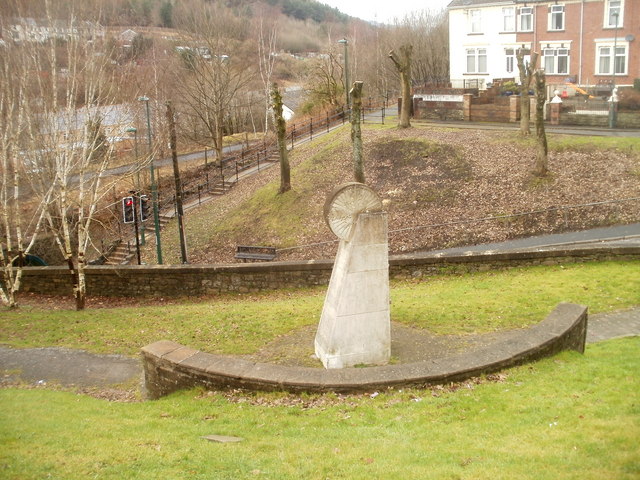
Gillian Clarke's poem was written for the fiftieth anniversary of the 1960 explosion at Six Bells Colliery, which killed 45 men.
Disasters
- Six Bells Colliery explosion, 1960 — 28 June 1960
Real-world mining concepts used here
Coal Dust, Colliery, Firedamp, HM Chief Inspector of Mines
Related Culture records
- Guardian, Six Bells
Both were made for the fiftieth anniversary of the 1960 explosion and reported together by the BBC in June 2010.
Sources
- (primary) Six Bells – Gillian Clarke — Poetry International
- (secondary) Gillian Clarke commemorates Six Bells with new poem (29 June 2010) — BBC Wales blogs
- (secondary) Six Bells Colliery — Wikipedia
Record created: 10 November 2026 · Last researched: 28 November 2026