 MineArchive
Acetylene Lamp
| Also known as | Carbide Lamp (American usage) |
|---|---|
| Category | Structures & Machinery |
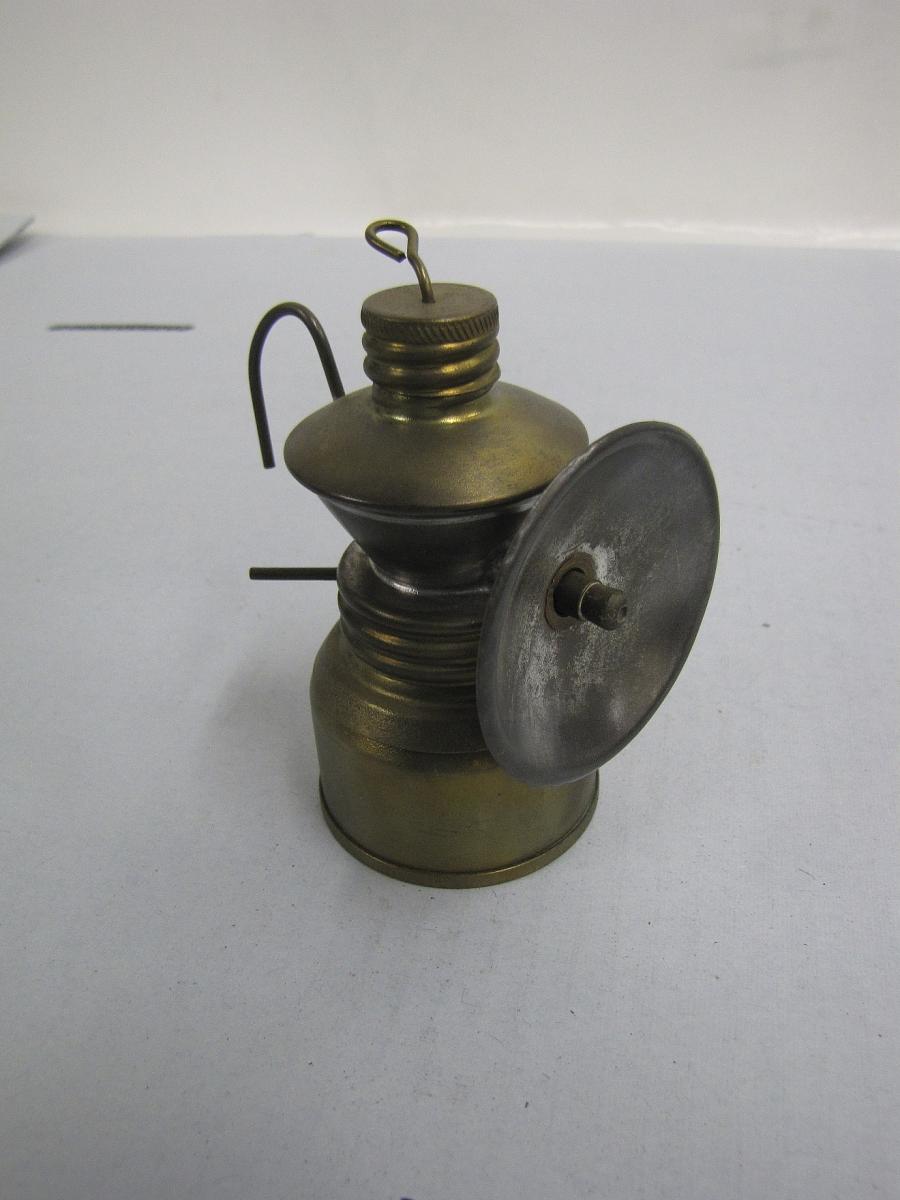
A portable lamp burning acetylene gas, generated inside the lamp by dripping water onto calcium carbide, giving a bright, unenclosed flame; used underground as an alternative to candles and oil-wick lamps, but -- unlike a safety lamp -- with no wire gauze or other means of containing its flame.
Historical usage
Used underground at Wernbwll Colliery, Penclawdd, as the mine's standard naked-light source (alongside some candles) until a firedamp explosion in September 1928 led to Special Regulations requiring flame safety lamps in prescribed places in addition to the acetylene lamps already in general use. The official report into the mine's second, fatal explosion, in November 1929, concluded that the flame of an open acetylene lamp had ignited the firedamp that killed seven men.
How it worked
The lamp's two chambers were filled separately: water in an upper chamber, calcium carbide in a lower one. A controllable drip fed water onto the carbide, producing acetylene gas as the two reacted; the gas was piped to a burner and lit with a match or a built-in striker, and a reflector behind the flame directed the light. More water dripped onto the carbide produced more gas and a bigger flame.
Why it was used
An acetylene lamp burned cleaner and brighter (some four to six candlepower) than the candles and oil-wick lamps it replaced, and produced less carbon monoxide and consumed less oxygen than either. Where a mine's officials judged firedamp risk low enough not to require enclosed safety lamps throughout, the acetylene lamp's open flame was cheaper to run and gave far better light than an enclosed safety lamp could.
Risks & limitations
Because its flame was unenclosed, an acetylene lamp could ignite firedamp directly, as the official inquiry into the 1929 Wernbwll Colliery explosion concluded had happened there. A typical cap lamp ran for only about four hours before needing a carbide refill, its burner tip was prone to clogging, and its flame could be blown out by a concussive blast or a draught. Acetylene lamps were mostly superseded by electric cap lamps from around 1918 and had been almost entirely replaced in general use by the 1930s, though the open acetylene lamp documented at Wernbwll in 1929 shows naked lights of this kind remaining in ordinary underground use well after that date, in mines whose officials judged the firedamp risk low.
Regional variation
The Smithsonian sources used here describe American design and manufacturing history; British sources read for this project consistently call the lamp an 'acetylene lamp' rather than the more common American term, 'carbide lamp', kept here as an alias.
Related terminology
Disasters associated with this term
Included only where MineArchive's own research gives a reasonable evidential basis, with the nature of the relationship stated — not every disaster where this term might plausibly apply.
- Wernbwll Colliery explosion, 1929 (direct cause)
The official inquiry concluded the flame of an open acetylene lamp ignited the firedamp that caused the explosion.
Sources
- (primary) Wernbwll Colliery Disaster Report (H.M. Inspector of Mines) — Durham Mining Museum (official inquiry report)
- (secondary) Carbide Lamps (Mining Lights and Hats) — Smithsonian Institution
- (secondary) Miner's Carbide Lamp — Smithsonian National Museum of American History
- (secondary) Wernbwll Colliery Explosion - Penclawdd - 1929 — Northern Mine Research Society
Record created: 14 September 2026 · Last researched: 14 September 2026