 MineArchive
Silver Valley Mine
| Location | Just north-west of the Hurlers stone circles, Minions, on the south-east edge of Bodmin Moor, Cornwall |
|---|---|
| Commodities | Silver, Tin |
| Type | Metal |
| Worked | 1815–1942 (last attempt) |
| Maximum depth | 40 m at the 1937 shaft, deepened in 1942 |
Overview
A small mine on the moor just north-west of the Hurlers at Minions, started in 1815 on the end of an older lode, reworked in 1910-12 and 1937, and tried for the last time by Canadian Royal Engineers in 1942, who spent £25,000 and found no ore.
History
Work first started here in 1815 under a Captain Malachy, on the end of the Wheal Brothers lode to the west. In 1852 ore carrying 200 ounces of silver to the ton was produced. Between 1910 and 1912 the ends of the Wheal Prosper and Grace Dieu lodes were worked, and in 1937 Liskeard Minerals Ltd took the mine over and sank a new shaft, which was soon abandoned; most of what can be seen today dates from that reworking. Another account describes Silver Valley as a small concern of the early twentieth century, and its workings lie so close to those of its neighbours that they are often misnamed.
The last attempt came in 1942, when Canadian Royal Engineers moved in for a year to search for tin or wolfram. They deepened the 1937 shaft to 40 metres and put up a headgear, but despite spending £25,000 they produced no ore of any kind. The mine worked three shafts in all: the latest shaft, Prosper shaft and one without a name.
Geology
The ends of lodes worked by neighbouring mines: Wheal Brothers lode, and later the Wheal Prosper and Grace Dieu lodes.
Workings
Three shafts: the shaft sunk in 1937 and deepened to 40 m in 1942, Prosper shaft and an unnamed shaft.
Closure
The 1942 search for tin and wolfram by Canadian Royal Engineers produced no ore, and the mine was not worked again.
What remains
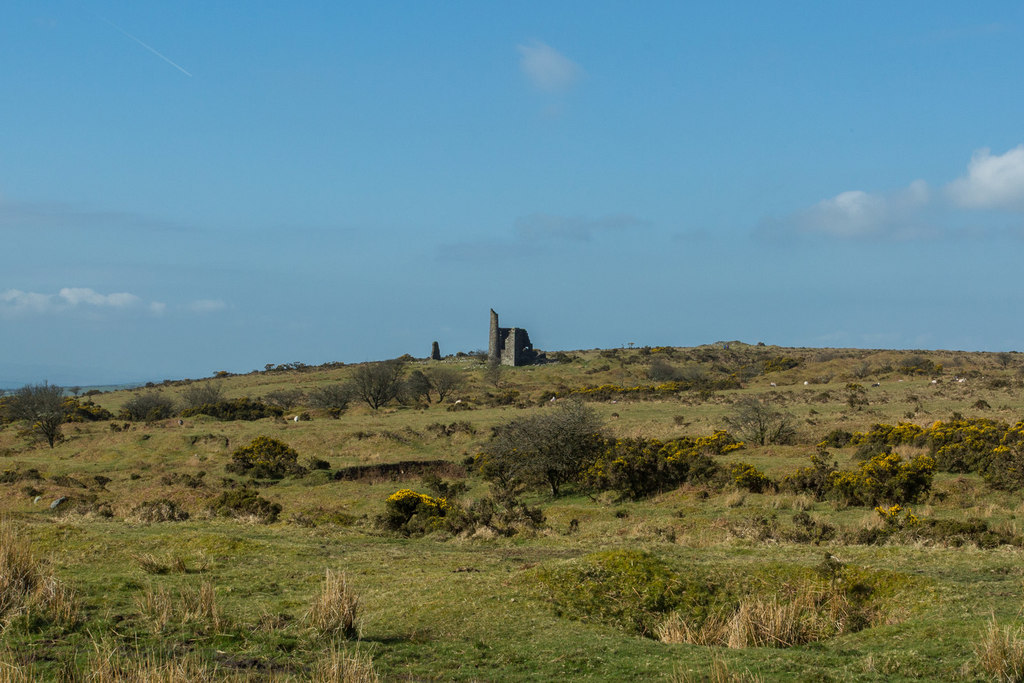
Scant remains, mostly from the 1937 reworking, including machinery foundations.
Machinery foundations and other scant remains of the 1937 reworking.
Redevelopment
Unknown.
Related mines
- Phoenix United Mine — Silver Valley's workings lie close beside those of New Phoenix, whose engine house stands behind its remains.
What's uncertain
Points where sources disagree or the record could not be settled; both accounts are kept. All open questions in the archive.
- Work first started at Silver Valley in 1815 under a Captain Malachy, on the end of the Wheal Brothers lode. (disputed) 1
- Silver Valley Mine was a small concern dating from the early twentieth century. (disputed) 2
Recorded claims
Individual factual claims, each attached to the source(s) that support it below. Where sources disagree, both are kept.
- Work first started at Silver Valley in 1815 under a Captain Malachy, on the end of the Wheal Brothers lode. (disputed) 1
- Silver Valley Mine was a small concern dating from the early twentieth century. (disputed) 2
- In 1852 ore carrying 200 ounces of silver to the ton was produced. 1
- In 1937 Liskeard Minerals Ltd took over the mine and sank a new shaft, which was soon abandoned. 1
- In 1942 Canadian Royal Engineers deepened the shaft to 40 m and erected a headgear in search of tin or wolfram, spending £25,000 and producing no ore. 1
- Deposited plans of Silver Valley record tin ore. 3
Sources
- (secondary) Silver Valley Mine — Explore Cornwall
- (observational) Caradon Mining District — Cornish Mine Images
- (primary) BGS mine plan: Silver Valley (tin ore) — British Geological Survey / Mining Remediation Authority
Record created: 19 October 2026 · Last researched: 19 October 2026