 MineArchive
Morrison Busty Colliery
| Location | South of Annfield Plain, near Stanley, County Durham — 54.8517, -1.7258 (approximate) |
|---|---|
| Commodity | Coal |
| Type | Coal |
| Worked | 1927–1973 |
| Maximum depth | Unknown. |
| Operators | Holmside & Southmoor Collieries Ltd (?–1947), National Coal Board (1947–1973) |
Overview
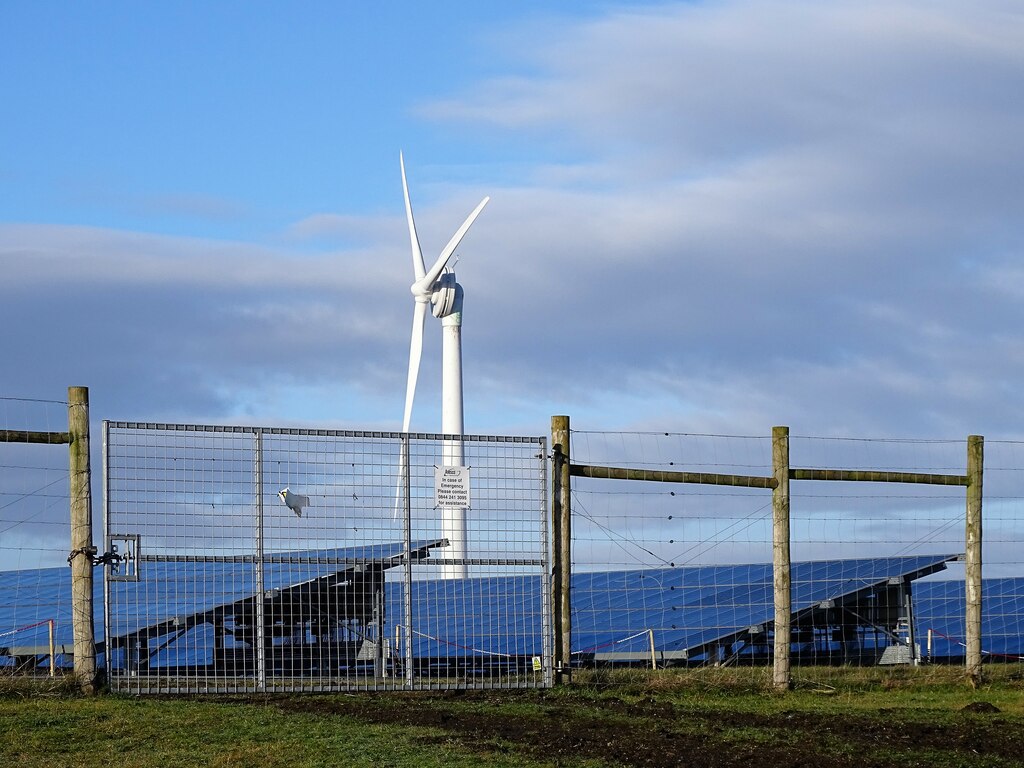
A coking-coal colliery just south of Annfield Plain, opened in 1927 to work the Busty and Brockwell seams, which employed up to 1,858 men under the Coal Board and closed in 1973; its buildings became a council depot, now a low-carbon hub powered by a solar and wind farm on the old pit heap.
History
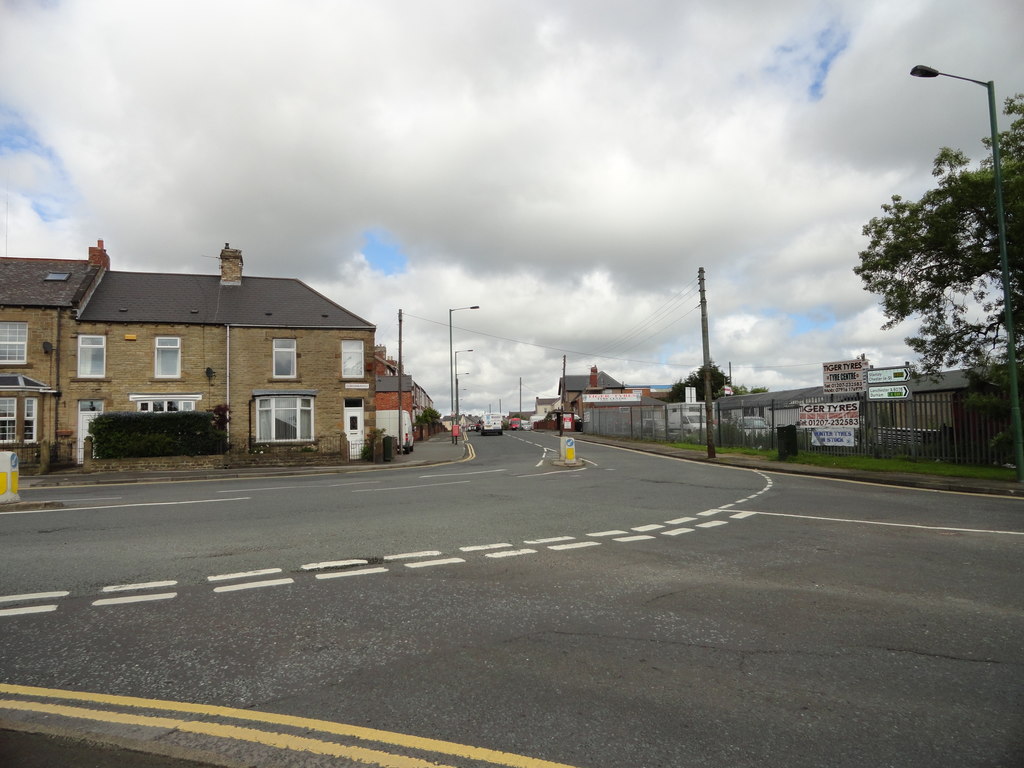
Morrison Busty Colliery was sunk in the 1920s just south of Annfield Plain in north-west Durham and opened in 1927, named for the Busty seam it was sunk to work. In 1925, while it was being developed, 125 men were employed on the Busty; by 1930 the colliery had 833, and in 1935 its East and West pits together employed 1,748, though the West pit was discontinued in May 1934. It belonged in the 1930s to Holmside and Southmoor Collieries Ltd, and passed to the National Coal Board in 1947, when it employed 1,722 and raised 480,000 tons of coking coal. The workforce peaked at 1,858 in 1950 and stayed above 1,700 through the 1950s, working the Top and Bottom Busty, Brockwell and Towneley seams and later the Harvey; it fell to 858 by 1970 and 662 in 1972. The colliery closed on 5 October 1973. Derwentside District Council bought the site three years later for a vehicle depot, which passed to Durham County Council in 2009; between 2019 and 2023 it was rebuilt as a low-carbon depot with heat pumps, electric-vehicle charging and a 3 MW solar farm on the former waste heap, where a wind turbine also stands.
Geology
Durham Coal Measures: the Top and Bottom Busty and the Brockwell seams from the start, with the Towneley and later the Harvey; the output was coking coal throughout, and witherite was recorded in 1935.
Workings
Two pits, East and West; the West pit was discontinued in May 1934 and the East carried the colliery thereafter.
Closure
Closed on 5 October 1973.
What remains
The colliery site is Durham County Council's Morrison Busty depot, reopened in 2023 as a low-carbon hub; a solar and wind farm stands on the former waste heap, and the washery tip to the south has been reclaimed.
Unknown.
Redevelopment
A council vehicle and recycling depot from 1976, rebuilt 2019-2023 with heat pumps, EV charging and a 3 MW solar farm with battery storage on the old pit heap.
Nearby mines
- Louisa Colliery — 2.4 km NE
- Burnhope Colliery — 3.0 km SE
- West Stanley Colliery — 3.0 km NE
- Craghead Colliery — 3.5 km E
- Beamish Colliery — 4.5 km NE
Straight-line distance, within 15 km. Show on the map.
Recorded claims
Individual factual claims, each attached to the source(s) that support it below. Where sources disagree, both are kept.
- Morrison Busty Colliery opened in 1927 at Annfield Plain; in the 1930s it was owned by Holmside & Southmoor Collieries Ltd and in 1947 by the NCB; it had two pits, East and West, and closed in 1973. 1,2
- Employment rose from 125 in 1925 to 1,748 in 1935, 1,722 in 1947 (output 480,000 tons) and 1,858 in 1950, then fell to 662 in 1972. 1
- The colliery closed on 5 October 1973. 1
- The site started as the Morrison Busty Colliery in the late 1920s, employing 1,500 people until 1973; it is now a council depot, rebuilt from late 2019 with a 3MW solar farm, battery storage, heat pumps and EV charging, reopening in 2023. 3
- Seams worked included the Brockwell and Busty (1925), the Bottom and Top Busty, Brockwell and Towneley (1950-60) and the Brockwell, Busty and Harvey (1965-72). 1
Photographs & further reading
Owners, yearly employment and output, seams and management of the colliery.
View sourceSources
- (secondary) Durham Mining Museum - Morrison Busty Colliery — Durham Mining Museum
- (secondary) Morrison Busty Colliery | Science Museum Group Collection — Science Museum Group
- (primary) Morrison Busty project - Durham County Council — Durham County Council
Record created: 21 September 2026 · Last researched: 21 September 2026