 MineArchive
Team Colliery explosion, 1757
| Date | 10 June 1757 |
|---|---|
| Mine | Team Colliery |
| Region | Tyne and Wear |
| Type | Explosion |
| Fatalities | 16 (Fifteen were killed outright by the blast; one further man died of his injuries afterwards.) |
| Context | During active mining |
An explosion at the Whin Pit, Ravensworth — part of what became Team Colliery — killed sixteen men and boys, one of the earliest well-documented colliery disasters on the Durham coalfield.
Cause
An explosion, presumed of firedamp, at the Whin Pit.
What happened
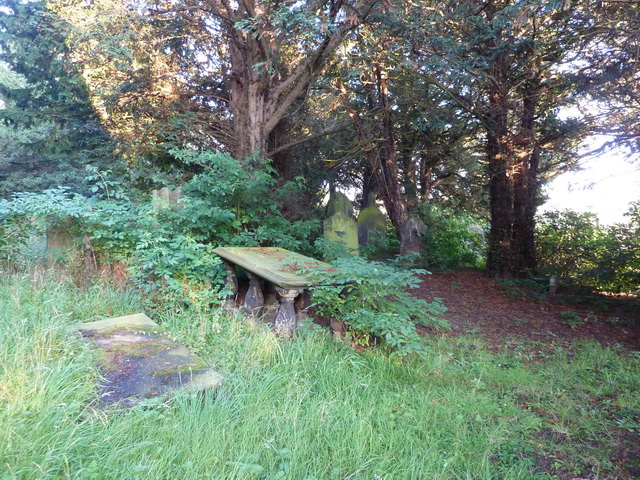
The Ravensworth colliery had belonged to Sir Thomas Liddell since the late 17th century. Water was originally drawn from the workings by buckets, powered in stages by water wheels at the surface — a contemporary account described Liddell's arrangement of three wheels cascading water from one to the next so that the lowest ran level with the ground, the water finally passing into the mine and out to a river beneath the workings. A steam engine, built by William Brown (engineer at Throckley Colliery), had been installed at Ravensworth in 1750. On 10 June 1757 an explosion took place at the colliery, killing sixteen men and boys: fifteen died in the blast itself, and one more succumbed to his injuries afterwards. All sixteen were buried together in the churchyard of St Andrew's Church, Lamesley, on 12 June 1757. Durham Mining Museum's own record of the burials — drawn from John Sykes's 1833 Local Records — gives their home hamlets around Ravensworth: Penny Fine, Cox Close and Kibblesworth among them, and includes at least two father-and-son pairs among the dead, John Brown with his sons John and Ralph, and William Garfott with his son Thomas.
Recorded claims
Individual factual claims, each attached to the source(s) that support it below. Where sources disagree, both are kept.
- All sixteen victims were buried together in the churchyard of St Andrew's Church, Lamesley, on 12 June 1757; the dead included at least two father-and-son pairs, John Brown with sons John and Ralph, and William Garfott with son Thomas, drawn from the hamlets of Penny Fine, Cox Close, Kibblesworth and Ravensworth itself. 1
Related terminology
Mining terms this disaster is structurally linked to, with the nature of the relationship.
- Colliery (contextual relationship)
Named 5 times in this record, first in the summary: “An explosion at the Whin Pit, Ravensworth — part of what became Team Colliery — killed sixteen men and boys, one of the earliest well-documented…” - Firedamp (contextual relationship)
Named in this record’s cause: “An explosion, presumed of firedamp, at the Whin Pit.” - Level (contextual relationship)
Named in this record’s narrative: “…wheels cascading water from one to the next so that the lowest ran level with the ground, the water finally passing into the mine and out to…” - Waterwheel (contextual relationship)
Named in this record’s narrative: “…originally drawn from the workings by buckets, powered in stages by water wheels at the surface — a contemporary account described Liddell's…”
Sources
- (secondary) John Sykes, Local Records or Historical Register of Remarkable Events (1833), on the Ravensworth Whin Pit explosion of 1757 — Durham Mining Museum, quoting Sykes
- (secondary) Ravensworth Colliery Explosion - Ravensworth - 1757 — Northern Mine Research Society (Ian Winstanley / Coal Mining History Resource Centre)
Record created: 6 September 2026 · Last researched: 15 September 2026