 MineArchive
Parkhouse Colliery explosion, 1882
At 10 a.m. on 7 November 1882 an explosion of firedamp in the Clay Cross Company's Parkhouse (No. 7) Pit at Danesmoor, Derbyshire, killed 45 men and boys. The pit was worked by candlelight and had a name as one of the safest in the district; the blast blew off the headstocks and put out the ventilating furnace.
| Date | 1882 |
|---|---|
| Mine | Parkhouse Colliery |
| Region | Derbyshire |
| Type | Explosion |
| Fatalities | 45 (Forty-five, the figure of the inquest verdict and of the memorial.) |
| Context | During active mining |
Cause
Firedamp given off as the barometer fell, undetected by the night or day deputies, was ignited by naked lights. The inspector thought three explosions had happened almost at once in the cross-cuts of Nos. 1 and 3 flats; the jury placed the origin most probably in No. 3 flat and put the gas down to a sudden influx.
Contributing factors
Candles were used throughout the pit, with safety lamps issued only where gas was met, because gas was rare in the district's collieries. Small explosions without injury had been reported at the pit before. It was ventilated by a furnace at the foot of the upcast.
What happened
The explosion was in the north cross-cut district of the Blackshale seam, driven from 1877 and divided into three flats. Those not killed by the blast were suffocated by afterdamp, and the ventilation stopped when the furnace went out. The underviewer, George Dunn, ill at home near the pit, heard it from his bedroom, went down the No. 8 shaft with the first party and was overcome by afterdamp. Men who reached the Parkhouse shaft bottom without lights called up that they were safe and were sent round to come out by the No. 8 shaft. The dead included the corporals James Parker, William Renshaw, Michael Parkin and Joseph Stone, the furnaceman Joseph Phipps, and George Hewitt with two of his sons; the youngest were fifteen.
Rescue & recovery
Exploring parties went in by the No. 8 pit and brought the bodies to the surface over the following days; George Parker, underviewer of the No. 2 pit, and Edward Reeves of Danesmoor were among those who found them. Twenty-six horses were in the area of the explosion.
Investigation & inquiry
The inquest opened at the Victoria Hotel, Clay Cross, before C. G. Busby, coroner for the Hundred of Scarsdale. The jury found that the company and its officials had not been negligent, that proper precautions for ventilation had been taken, and that no one was to blame for the influx of gas. Arnold Morley MP reported on the disaster to Parliament.
Legal & regulatory aftermath
Unknown.
Changes to practice & legislation
The inspector, Mr Evans, who had believed safety lamps unnecessary in the Midland collieries, recommended them. The jury asked for the night deputy's examination to be made as late as possible before the men went down, more frequent examinations on idle days, and safety lamps in the deep part of the mine; the report called for wider use of lamps, more than one examination for gas each shift, and ventilation other than by furnace.
Memorials & commemoration
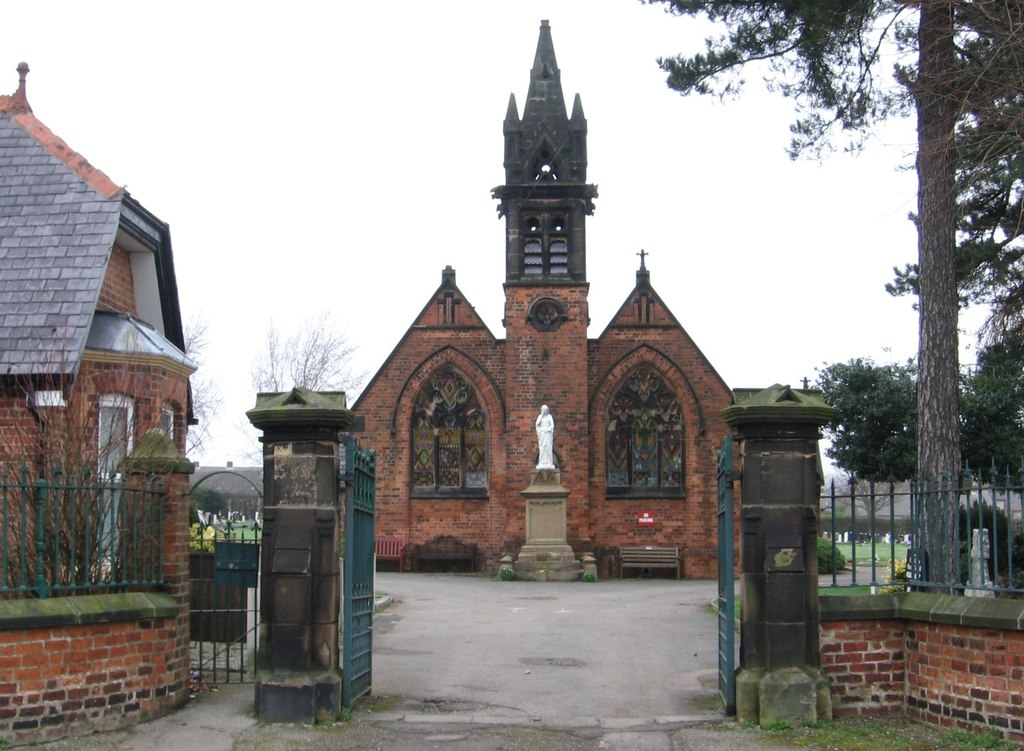
A monument to the forty-five, naming them, was erected by their fellow workmen and the public in 1884 in the cemetery at Danesmoor. The weeping figure that stood on its column has been removed.
Recorded claims
Individual factual claims, each attached to the source(s) that support it below. Where sources disagree, both are kept.
- The jury found that the deaths of the 45 men were caused by an explosion in the Parkhouse or No. 7 Pit on 7 November. 1
- The monument is in memory of the forty-five men and boys killed at Park House Pit on 7 November 1882, erected by their fellow workmen and the public in 1884. 2
- The barometer had fallen that morning; methane went undetected by the deputies and was ignited; the explosion blew the headstocks off. 3
- Naked lights were used except where gas was met, and Parkhouse had the reputation of one of the safest collieries in the district. 3,1
- Mr Evans, who had believed safety lamps unnecessary in the Midland counties, recommended their use in future. 1
Related terminology
Mining terms this disaster is structurally linked to, with the nature of the relationship.
- Afterdamp (hazard involved)
Many were suffocated. - Deputy (contextual relationship)
The deputies had not detected the gas. - Flats (contextual relationship)
Named twice in this record, first in the cause: “…had happened almost at once in the cross-cuts of Nos. 1 and 3 flats; the jury placed the origin most probably in No. 3 flat and put the…” - Headgear (contextual relationship)
The headstocks were blown off. - Naked Light (contributing factor)
The pit was worked by candles. - Safety Lamp (contextual relationship)
Lamps were recommended afterwards.
Sources
- (secondary) Clay Cross Colliery Parkhouse No.7 Explosions - Clay Cross - 1882 — Northern Mine Research Society
- (secondary) Clay Cross Company's Parkhouse Number Seven Colliery — Clay Cross Genealogy and Local History
- (secondary) Parkhouse Number Seven — Old Miner
Record created: 21 September 2026 · Last researched: 22 September 2026