 MineArchive
Great Western Colliery Fire, 1893
An underground fire at the Great Western Colliery, Hopkinstown, on 11 April 1893 trapped around 200 men in the Four Feet seam east of the Hetty Pit. About 150 were brought out alive; 63 men and boys, aged between 14 and 61, died.
| Date | 11 April 1893 |
|---|---|
| Mine | Great Western Colliery |
| Region | Rhondda Cynon Taf |
| Primary type | Fire |
| Associated types | Entrapment, Gas / Asphyxiation, Rescue |
| Fatalities | 63 (63 men and boys, aged from 14 to 61. By 14 April, 53 bodies had been recovered.) |
| Injuries | Not separately recorded. |
| Context | During active mining |
Cause
Sparks from the wooden brake blocks of a compressed-air haulage engine in the East Hard Heading, about 120 yards from the Hetty Pit, set fire to brattice sheets nearby.
Contributing factors
The colliery's own strong ventilation — two Schiele fans of 15 ft 3 in diameter at the pit tops — fanned the fire, which spread quickly into the timber supports and drove dense smoke and fumes through the interconnected workings. Compressed air generated at the surface powered the underground haulage engine at which the fire started.
What happened
The fire broke out on the day shift of Tuesday 11 April 1893, when about 950 of the colliery's roughly 1,460 workers were underground. It took hold in the workings of the Four Feet seam to the east of the Hetty Pit, where roughly 200 men were cut off. The death toll would have been far higher but for the district fireman, Thomas Prosser, who went into the dense smoke and opened a set of air doors, diverting the fumes out of the mine.
Rescue & recovery
About 150 men were brought out alive. Recovery of the dead took several days: contemporary reports record 53 bodies recovered by 14 April.
Investigation & inquiry
The Inspector of Mines reported on the fire in 1893.
Memorials & commemoration
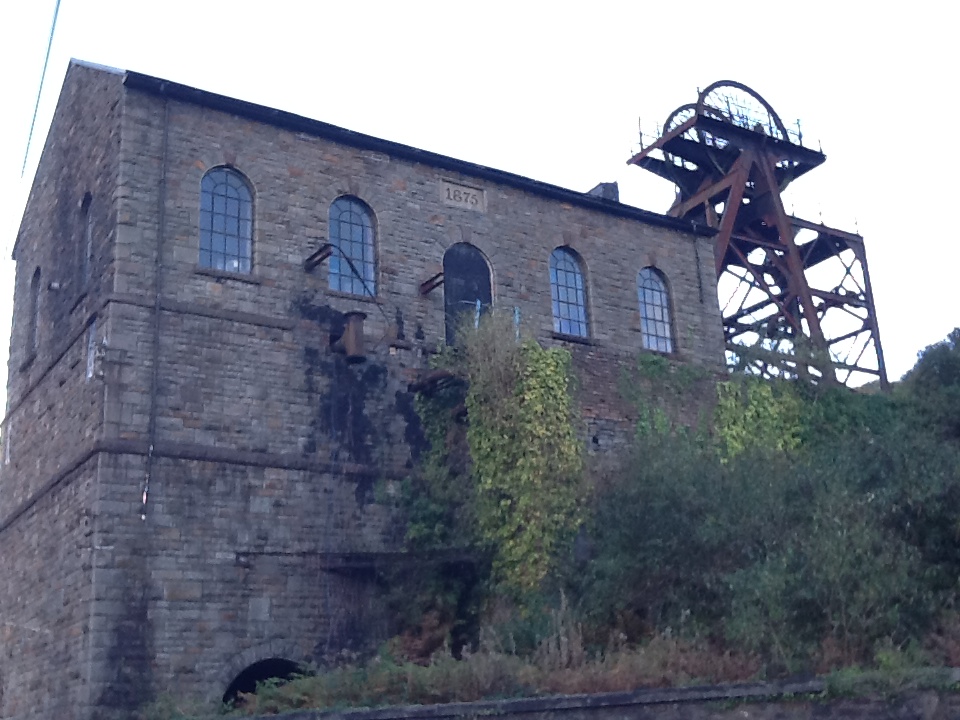
A memorial to the disaster is mounted on the wall of the Hetty engine house, which survives as a scheduled monument on the colliery site.
Recorded claims
Individual factual claims, each attached to the source(s) that support it below. Where sources disagree, both are kept.
- 63 men and boys were killed, aged between 14 and 61; about 200 were trapped and around 150 brought out alive. 1,2
- Sparks from the wooden brake blocks of a haulage engine set fire to nearby brattice sheets, the fire spreading quickly into timber supports as the ventilation fanned it. 1,2
- The fire started at a compressed-air haulage engine in the East Hard Heading, about 120 yards from the Hetty Pit, and affected the Four Feet seam workings to its east. 2
- The district fireman Thomas Prosser went into the dense smoke and opened a set of air doors, diverting the fumes out of the mine and greatly reducing the death toll. 1
- By 14 April, three days after the fire, 53 of the bodies had been recovered. 2
Related terminology
Mining terms this disaster is structurally linked to, with the nature of the relationship.
- Brattice (contextual relationship)
Named in this record’s cause: “…East Hard Heading, about 120 yards from the Hetty Pit, set fire to brattice sheets nearby.” - Engine House (contextual relationship)
Named in this record’s memorials: “A memorial to the disaster is mounted on the wall of the Hetty engine house, which survives as a scheduled monument on the colliery site.” - Haulage (contextual relationship)
Named twice in this record, first in the cause: “Sparks from the wooden brake blocks of a compressed-air haulage engine in the East Hard Heading, about 120 yards from the Hetty Pit,…” - Heapstead (contextual relationship)
Named in this record’s contributing factors: “…strong ventilation — two Schiele fans of 15 ft 3 in diameter at the pit tops — fanned the fire, which spread quickly into the timber supports and…” - Scheduled Monument (contextual relationship)
Named in this record’s memorials: “…mounted on the wall of the Hetty engine house, which survives as a scheduled monument on the colliery site.”
Photographs & further reading
This page doesn't try to reproduce everything — these are the best original sources found for this disaster.
Welsh Coal Mines' name-by-name roll of the 63 killed, with ages and occupations.
View sourceSources
- (secondary) The Great Western Colliery, Hopkinstown, Pontypridd — Welsh Coal Mines
- (secondary) Great Western Colliery — Wikipedia
- (secondary) Gareth Harris, 'The Great Western Colliery Disaster' — People's Collection Wales
Record created: 3 September 2026 · Last researched: 3 September 2026