 MineArchive
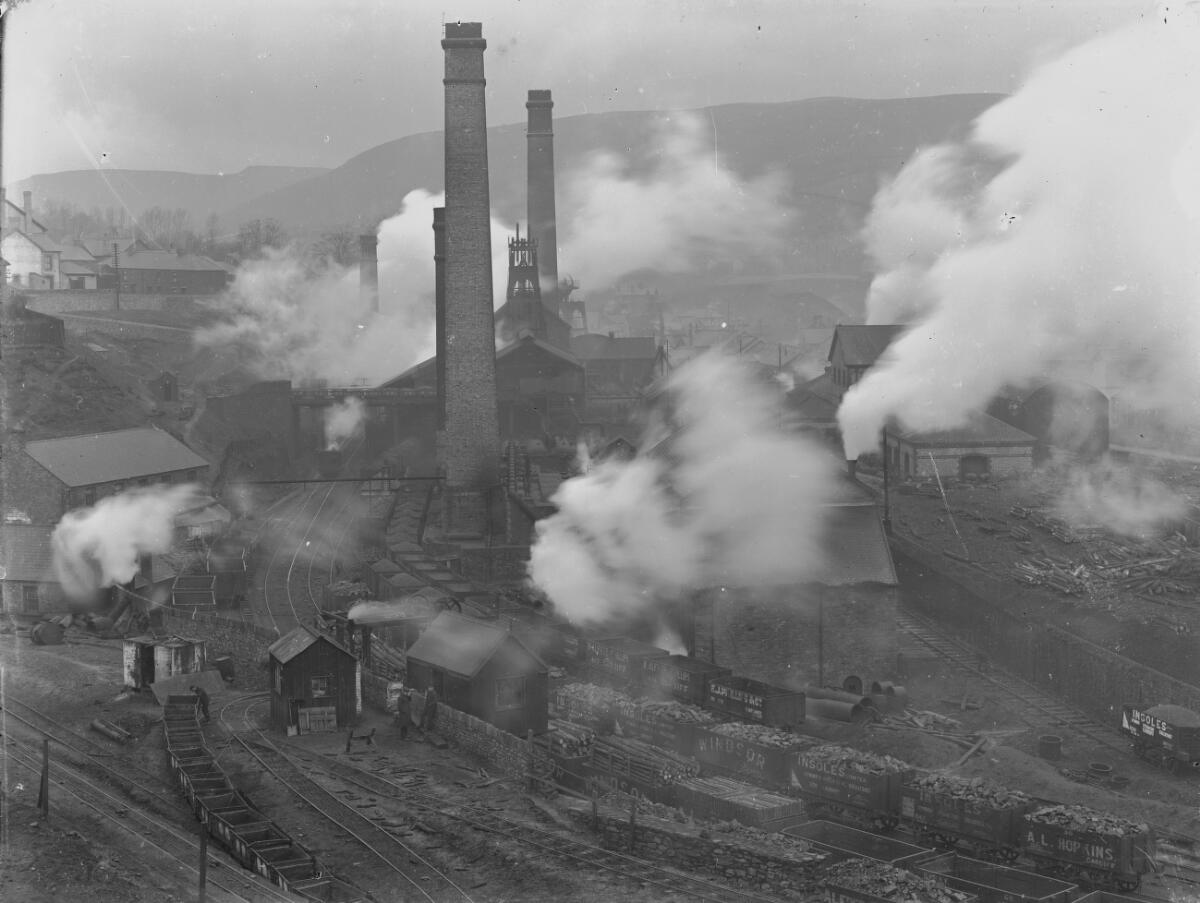
Cymmer Colliery explosion, 1937
An explosion near a suspected gob fire at Cymmer Colliery, Porth, filled a disused district with afterdamp on 8 June 1937, killing three of six repairers.
| Date | 8 June 1937 |
|---|---|
| Mine | Cymmer Colliery |
| Region | Rhondda Cynon Taf |
| Primary type | Explosion |
| Associated types | Gas / Asphyxiation, Rescue |
| Fatalities | 3 (Herbert Thorne, 43, and Arthur Atkins, 55, killed by afterdamp; John Roberts, 58, died later of his injuries. The Commons was told on 10 June of two dead and four injured.) |
| Injuries | Four injured, three of them critically, with carbon monoxide poisoning; one of them later died. |
| Context | During active mining |
Location
Plotted at Cymmer Colliery. Recorded location. The large pin is the mine; the small round markers are the nearest mines on record. Click one for its page. View on full map
Cause
An explosion of gas, believed to have been a blower reaching a gob fire, in a district where a suspected heating was being sealed off; the dead were overcome by afterdamp.
What happened
In the early hours of Tuesday 8 June 1937 six men were at work in the Prince of Wales district of the Jubilee Pit at Cymmer Colliery, Porth, in a part of the pit that had not been producing coal for a considerable time. They were preparing the site for a new stopping in the neighbourhood of a suspected heating when an explosion occurred. None of them was burned, but the afterdamp it produced killed Herbert Thorne, 43, and Arthur Atkins, 55. John Roberts, 58, was critically injured and died later, and three others were taken to Porth and District Hospital critically ill with carbon monoxide poisoning. The explanation offered at the time was that a blower of gas had reached a gob fire.
There were 150 men and boys in the pit, and those in other districts knew nothing of it. The first sign was the groaning of the injured men, which drew the overman, James Weed; he tried to reach them but found the way blocked by a heavy fall, probably brought down by the explosion. The Dinas Rescue Brigade went down under Superintendent J. H. Thorne with the general manager, officials and doctors, and everyone was out by 8 in the morning. Thorne and Atkins were buried on 14 June at Llethr Ddu Cemetery, Trealaw, with more than a thousand people at the funerals and miners lining the route with the grime of the pit still on their faces.
Rescue & recovery
The overman James Weed was stopped by a heavy fall. The Dinas Rescue Brigade, led by Superintendent J. H. Thorne, went down with the general manager, officials and doctors, and all the men were brought up by 8 am.
Investigation & inquiry
H.M. Inspectors of Mines were investigating when the Secretary for Mines answered a private notice question in the Commons on 10 June 1937.
Memorials & commemoration
Herbert Thorne and Arthur Atkins were buried on 14 June 1937 at Llethr Ddu Cemetery, Trealaw; John Roberts's funeral was at Trealaw Cemetery on the 24th.
What's uncertain
Points where sources disagree or the record could not be settled; both accounts are kept. All open questions in the archive.
- The Welsh Coal Mines list dates the explosion 9 June 1937. (disputed) 1
Recorded claims
Individual factual claims, each attached to the source(s) that support it below. Where sources disagree, both are kept.
- An explosion in the early hours of Tuesday 8 June 1937 at Cymmer Colliery, Porth, killed two men outright by afterdamp and injured four; one of the injured, John Roberts, 58, died later. 1,2
- The Welsh Coal Mines list dates the explosion 9 June 1937. (disputed) 1
- The six men were preparing a site for a new stopping near a suspected heating in a district that had not produced coal for a long time; a blower of gas was believed to have reached a gob fire. 1,2
- The Dinas Rescue Brigade went down under Superintendent J. H. Thorne, and all the men were brought to the surface by 8 am. 1
Related terminology
Mining terms this disaster is structurally linked to, with the nature of the relationship.
- Afterdamp (contextual relationship)
Named 3 times in this record, first in the summary: “…gob fire at Cymmer Colliery, Porth, filled a disused district with afterdamp on 8 June 1937, killing three of six repairers.” - Blower (contextual relationship)
Named twice in this record, first in the cause: “An explosion of gas, believed to have been a blower reaching a gob fire, in a district where a suspected heating was…” - Rescue Brigade (contextual relationship)
Named twice in this record, first in the narrative: “…by a heavy fall, probably brought down by the explosion. The Dinas Rescue Brigade went down under Superintendent J. H. Thorne with the general…” - Spontaneous Combustion (contextual relationship)
Named 5 times in this record, first in the summary: “An explosion near a suspected gob fire at Cymmer Colliery, Porth, filled a disused district with afterdamp…” - Stopping (contextual relationship)
Named in this record’s narrative: “…coal for a considerable time. They were preparing the site for a new stopping in the neighbourhood of a suspected heating when an explosion…”
Sources
- (secondary) 1937 fatalities — Welsh Coal Mines
- (primary) Cymmer Colliery (Explosion), HC Deb 10 June 1937 vol 324 cc1966-7 — Hansard (UK Parliament, historic Hansard)
Record created: 27 November 2026 · Last researched: 27 November 2026