 MineArchive
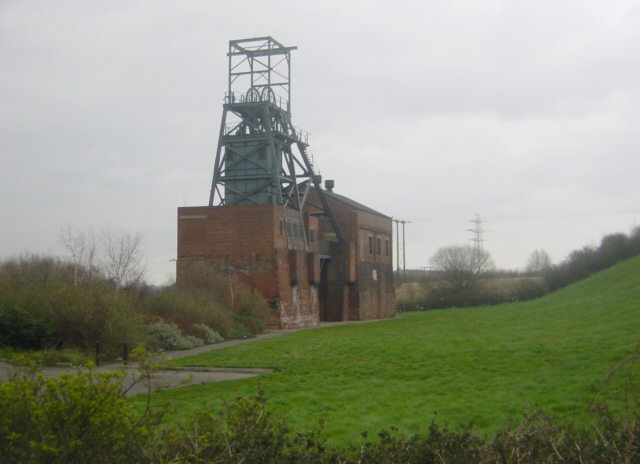
Barnsley Main Colliery explosions, 1942
On 16 February 1942 a new trailing cable flashed on B face of Barnsley Main's Fenton seam and fired gas, fatally burning Frederick Wood and starting a fire. The next day, as the district was being sealed off, a far larger explosion killed twelve of the men building the stoppings and injured twenty-eight.
| Date | 1942 |
|---|---|
| Mine | Barnsley Main Colliery |
| Region | South Yorkshire |
| Type | Explosion |
| Fatalities | 13 (1 from the first explosion (died later) and 12 from the second; 29 injured in all by the official report.) |
| Injuries | 29 |
| Context | During active mining |
Cause
A hole in a new coal-cutter trailing cable arced when switched on and ignited firedamp; the resulting fire led to a second, larger explosion while the district was being sealed.
Contributing factors
The cable was not examined along its length before power was put on; gas had been reported on the face ten times in six months; no record was kept of the air passing down each face.
What happened
The Fenton seam, 524 yards down, was worked on two faces with a chain coal cutter and conveyors. On the afternoon of 16 February a replacement trailing cable was carried up B face. At about 7.30 p.m., as the assistant electrician switched on, it flashed about 20 yards below the machine; a flame billowed up the face and back, leaving the roof on fire. Frederick Wood, his clothes alight, ran out of the tailgate; he died days later, and Ephraim Wilson was also burned. Efforts through the night to dig out the heated material failed, and at a meeting at the tailgate the officials and the local union president decided to seal the district. Stoppings were built at the drifts some 600 yards from the face, and sandbag plugging began at about 11.40 a.m. on the 17th. At about 12.40 p.m. the second explosion came through: of 62 men within 30 yards of the stoppings, twelve on the intake side, four of them officials, were killed.
Rescue & recovery
The men killed on 17 February were themselves members of the rescue party sealing off the fire.
Investigation & inquiry
J. R. Felton, Deputy Chief Inspector of Mines, held a formal inquiry jointly with the adjourned inquest at Barnsley Town Hall from 25 March to 10 April 1942, reporting to the Minister of Fuel and Power in August. The agent admitted that the divisional inspector could have been told of the decision to seal.
Legal & regulatory aftermath
The coroner found that Wood died of burns from gas fired by the fusing cable, and the other twelve by misadventure while sealing off a district on fire. He found no serious breach of the rules but recommended examination of trailing cables by instrument at the start of each shift and instruction in gas testing for everyone underground.
Changes to practice & legislation
Unknown.
Memorials & commemoration
Unknown.
Recorded claims
Individual factual claims, each attached to the source(s) that support it below. Where sources disagree, both are kept.
- The explosions of 16 and 17 February 1942 killed 13 persons and injured 29. 1
- The first explosion burned two, one of whom died; the second killed 12 and injured 28. 2
- Wood died of burns from gas ignited by a fusing trailing cable; the other twelve died by misadventure while sealing off a district on fire. 2,1
- The coroner recommended examination of trailing cables by instrument at the start of each shift and instruction for everyone in testing for gas. 1
Related terminology
Mining terms this disaster is structurally linked to, with the nature of the relationship.
- Coal Cutter (contextual relationship)
Named twice in this record, first in the cause: “A hole in a new coal-cutter trailing cable arced when switched on and ignited firedamp; the…” - Deputy (contextual relationship)
Named in this record’s investigation: “J. R. Felton, Deputy Chief Inspector of Mines, held a formal inquiry jointly with the…” - Gate Road (contextual relationship)
Named twice in this record, first in the narrative: “…the roof on fire. Frederick Wood, his clothes alight, ran out of the tailgate; he died days later, and Ephraim Wilson was also burned. Efforts…” - Return Airway (contextual relationship)
Named in this record’s narrative: “…through: of 62 men within 30 yards of the stoppings, twelve on the intake side, four of them officials, were killed.” - Safety Lamp (contextual relationship)
The cutter driver tested for gas with a flame lamp.
Sources
- (primary) Report on the explosions at Barnsley Main Colliery, 16 and 17 February 1942 (J. R. Felton) — Durham Mining Museum (Ministry of Fuel and Power report)
- (secondary) Barnsley Main Explosion - Barnsley - 1942 — Northern Mine Research Society
Record created: 21 September 2026 · Last researched: 21 September 2026