 MineArchive
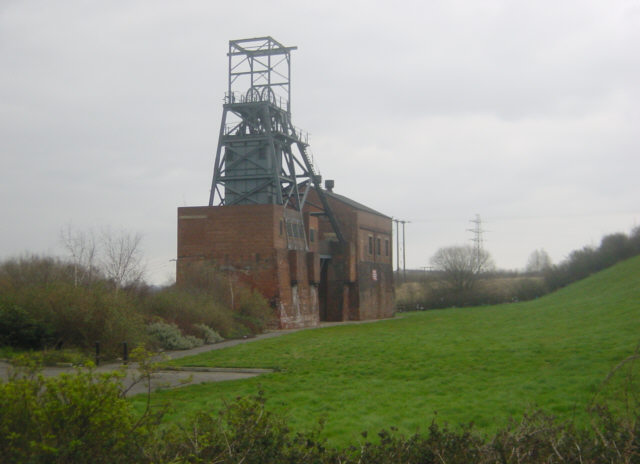
Barnsley Main Colliery explosion, 1912
Two shots fired on a machine-cut face at Barnsley Main in the small hours of 6 July 1912 ignited gas from a break in the roof, killing the deputy and two others.
| Date | 6 July 1912 |
|---|---|
| Mine | Barnsley Main Colliery |
| Region | South Yorkshire |
| Type | Explosion |
| Fatalities | 3 (Walter Jepson, 46, deputy; Thomas Hunt, 49, coal cutter; Thomas Eltoft, 38, dataller.) |
| Context | During active mining |
Location
Plotted at Barnsley Main Colliery. Recorded location. The large pin is the mine; the small round markers are the nearest mines on record. Click one for its page. View on full map
Cause
Firedamp issuing from a slippery break in the roof was ignited by one of two shots of Monobel powder fired on the machine-cut face.
What happened
On the night of 5 July 1912 a compressed-air coal-cutting machine was working a 100-yard face in the Haigh Moor or Ardsley seam, only 2 feet 10 inches thick, three-quarters of a mile from the shafts at Barnsley Main Colliery. The air pressure was poor, and by 4 am the machine had cut only 24 yards. At about 3 am the deputy, Walter Jepson, sent one of the machine men, Thomas Moore, to the surface to find out why. Before going, Moore told him he had drilled four short holes in the undercut coal, and the deputy said he would fire a shot. At 4.45 am there was an explosion. When Moore came back down he heard that men on the main level had run out without their clothes saying the machine had gone off.
The officials found stoppings and doors blown out, props and an empty tub burning beside a gate, the machine still running, and three bodies: Jepson, 46, Thomas Hunt, 49, a coal cutter, and Thomas Eltoft, 38, a dataller. Hunt lay a few yards in front of the machine, apparently believing he was sheltered from the shot. The inspector, J. R. R. Wilson, traced the origin from the coked dust to a point on the face where a shot hole later came to light, and the storekeeper's evidence showed two shots of Monobel had been fired. Behind the face was a slippery break in the roof from which gas would issue, and 1½ per cent of firedamp was detected along the face that day and the next.
Investigation & inquiry
J. R. R. Wilson and G. Y. Tickle examined the district the same day and the next; Wilson returned with the Yorkshire Miners' Association's representative. Reported in the 1912 Inspector's report for the Yorkshire and North Midland District.
Recorded claims
Individual factual claims, each attached to the source(s) that support it below. Where sources disagree, both are kept.
- At 4.45 am on 6 July 1912 an explosion on a machine-cut face in the Haigh Moor seam at Barnsley Main Colliery killed three men: Walter Jepson, the deputy, Thomas Hunt, a coal cutter, and Thomas Eltoft, a dataller. 1,2
- The inspector found that two shots of Monobel had been fired on the face and that firedamp, issuing from a slippery break in the roof, was ignited where the shots were fired. 2
Related terminology
Mining terms this disaster is structurally linked to, with the nature of the relationship.
- Coal Cutter (contextual relationship)
Named in this record’s narrative: “…still running, and three bodies: Jepson, 46, Thomas Hunt, 49, a coal cutter, and Thomas Eltoft, 38, a dataller. Hunt lay a few yards in front of…” - Dataller (contextual relationship)
Named in this record’s narrative: “…Jepson, 46, Thomas Hunt, 49, a coal cutter, and Thomas Eltoft, 38, a dataller. Hunt lay a few yards in front of the machine, apparently believing…” - Deputy (contextual relationship)
Named 3 times in this record, first in the summary: “…of 6 July 1912 ignited gas from a break in the roof, killing the deputy and two others.” - Holing (contextual relationship)
Named in this record’s narrative: “…Before going, Moore told him he had drilled four short holes in the undercut coal, and the deputy said he would fire a shot. At 4.45 am there was…” - Stopping (contextual relationship)
Named in this record’s narrative: “…their clothes saying the machine had gone off. The officials found stoppings and doors blown out, props and an empty tub burning beside a gate,…”
Sources
- (primary) Colliery Explosions, South Yorkshire, HC Deb 3 March 1930 vol 236 cc60-1W — Hansard (UK Parliament, historic Hansard)
- (primary) Durham Mining Museum: Barnsley Main, 6 July 1912 (1912 Mines Inspector's Report, Yorkshire and North Midland District) — Durham Mining Museum
Record created: 27 November 2026 · Last researched: 27 November 2026