 MineArchive

Glenboig Clayworks (1935 film)
| Category | Screen |
|---|---|
| Dates | Glenboig works from 1831; film made 1935; Coronation Celebrations at Glenboig, 1953. |
Glenboig Clayworks is a seven-minute silent film of 1935, made by the managing director of the brickworks, showing fireclay mined underground at Glenboig and moulded into firebricks.
The mining history in this record
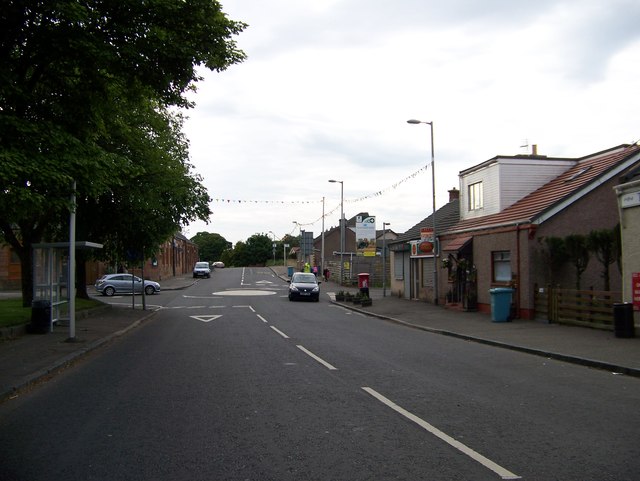
In the late 1800s the small Lanarkshire village of Glenboig became the world's leading maker of firebricks. Its fireclay, found between the coal seams, made bricks that would stand the heat of the blast furnaces of the iron and steel trades, and the works ran from Garnqueen in 1831 and the Old Works a year later to Gartverrie in 1858 and the Star Works in 1876.
In 1935 the works were filmed on 16mm. The National Library of Scotland's Moving Image Archive holds the result as reference 3048: a black-and-white, silent, non-fiction film of seven minutes 23 seconds, filmed by Alexander McKendrik and made by the managing director of Glenboig Brickworks. It follows the clay from the ground to the brick. It opens with a pan across the clayworks and men at the head of the mineshaft tipping clay out of barrows, then goes underground for a pit pony and men at work by what look like open-flame lights. Back at the shaft head men shovel clay into barrows and tip it into the mixing machinery; machines cut the clay into bricks, rows of finished bricks stand drying, and the film ends with bricks being made and moulded by hand.
People
Alexander McKendrik (spelled McKendrick in some accounts), who filmed it.
Legacy today
The film is still in copyright and the archive shows it in full online; North Lanarkshire Museums link to it from their story of Glenboig's brickworks. The same filmmaker's Coronation Celebrations at Glenboig, in colour, followed in 1953.
Mining language in this record
Words and phrases in this record that are genuine mining terminology, occupations, methods or economic practice — not scenery or ordinary regional language that merely appears in a mining-adjacent work.
| Expression | Meaning | MineArchive connection |
|---|---|---|
| fireclay | The heat-resisting clay mined at Glenboig and moulded into firebricks in the film. (General) | Fireclay — Same concept and same word as the Term. |
Recorded claims
Individual factual claims, each tagged with how solidly it's grounded and attached to the source(s) that support it. Where sources disagree, both are kept.
- Glenboig Clayworks is a silent, black-and-white 16mm film of 1935, seven minutes 23 seconds long, held by the National Library of Scotland Moving Image Archive. (documented fact) 1,2
- The film shows clay being mined and firebricks being moulded at Glenboig. (documented fact) 3,1,2
- It was filmed by Alexander McKendrik and made by the managing director of Glenboig Brickworks. (documented fact) 1,2
- Its underground shots show a pit pony and men at work in the mine. (documented fact) 2
- McKendrik also filmed Coronation Celebrations at Glenboig, a colour film of 1953. (documented fact) 1
- In the late 1800s Glenboig became the leading manufacturer of firebricks in the world. (documented fact) 3
Mines
- Glenboig Fireclay Mines — North Lanarkshire
The 1935 film records fireclay being mined at Glenboig, with shots at the shaft head and underground, and the clay being made into firebricks at the works.
Real-world mining concepts used here
Coal Seam, Fireclay, Pit Pony, Shaft
Sources
- (secondary) Glenboig (Wikipedia) — Wikipedia
- (primary) GLENBOIG CLAYWORKS (ref. 3048) — National Library of Scotland Moving Image Archive
- (secondary) Glenboig's World Famous Brickworks (North Lanarkshire Museums) — North Lanarkshire Council
Record created: 19 November 2026 · Last researched: 28 November 2026